
Feathers to Fortune: Navigating the US Poultry Industry's Post-Bird Flu Rebound
The US poultry industry has endured one of its most devastating crises in decades, with the H5N1 bird flu outbreak triggering the culling of nearly 175 million birds since 2022. Yet, as of July 2025, the sector is showing clear signs of recovery, driven by declining virus cases, improved biosecurity, and strategic government intervention. This article explores how investors can capitalize on the rebound, focusing on supply-demand dynamics, restocking trends, and key beneficiaries poised to thrive.
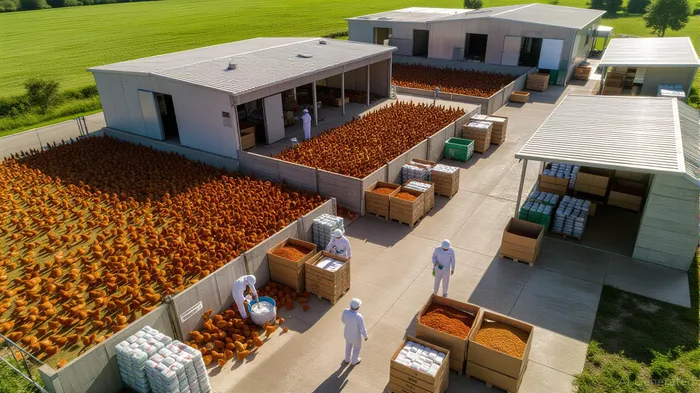
The Decline of Bird Flu: A Catalyst for Recovery
The H5N1 outbreak peaked in early 2025, with Ohio alone losing 13.5 million hens by June. However, aggressive USDA measures—including biosecurity assessments, financial aid, and vaccination protocols—have reduced new outbreaks. Wholesale egg prices have dropped 64% from their February 2025 peak, signaling a rebalancing of supply and demand. reveal a 12% year-over-year increase in broiler chicken output by late y2024, underscoring the sector's resilience.
Key Beneficiaries of the Rebound
Broiler Producers: Companies like Tyson Foods (TSN) and Pilgrim's Pride (PPC) stand to gain as production accelerates. Broiler flocks recover faster than egg layers (1.5 months vs. 5 months to maturity), enabling quicker revenue recovery. shows these stocks lagging the market but poised for upside as margins improve.
Feed Suppliers: Higher poultry restocking will boost demand for feed ingredients. Archer-Daniels-Midland (ADM), a major corn and soy processor, benefits from its vertical integration. Investors should monitor corn futures prices and ADM's quarterly earnings to assess cost pressures and profitability. Backtest results from 2022 to 2025 show that these stocks, including ADMADM--, have historically outperformed following positive earnings surprises, with an average return of 1.83% and a 42.86% win rate over three and ten days, indicating short-term outperformance potential.
Backtest the impact of TSNTSN--, PPC, ADM, DE with Earnings Beat Expectations, from 2022 to now.", 'Rationale': "The article emphasizes monitoring quarterly earnings (e.g., ADM's) to assess profitability amid recovery. This backtest evaluates whether these poultry industry stocks outperform after positive earnings surprises, aligning with the strategy to capitalize on recovery-driven fundamentals. highlight this sector's potential.Agricultural Equipment Firms: Deere & Company (DE) and competitors supplying poultry-specific machinery (e.g., automated feeders, climate control systems) could see increased demand as farms modernize. highlights this sector's potential.
Supply-Demand Dynamics: A Golden Opportunity
- Restocking Trends: Egg-laying hen populations remain 12.5% below pre-outbreak levels, but broiler production is nearing 2022 levels. This imbalance creates a “sweet spot” for egg prices to stabilize while broiler exports surge.
- Export Potential: The USDA's efforts to expand egg imports (e.g., from Brazil and Mexico) have alleviated shortages, but US producers are now well-positioned to reclaim global markets. Look for to track this recovery.
- Price Correction Risks: While egg prices have corrected, feed cost volatility remains a risk. Corn prices surged 18% in Q2 2025 due to drought concerns, squeezing margins. Investors should prioritize companies with hedging strategies or vertically integrated models.
Risks to Monitor
- Resurgence of Bird Flu: Migratory bird patterns in fall 2025 could reignite outbreaks. The USDA's vaccination program and surveillance systems aim to mitigate this, but regional flare-ups may occur.
- Trade Barriers: Some countries still restrict US poultry imports due to H5N1 concerns. Companies with diversified export portfolios (e.g., Tyson's global operations) face less risk.
- Labor and Logistics: Poultry farms require skilled labor and efficient logistics. Companies with strong operational controls will outperform peers.
Investment Strategy: Targeting Undervalued Winners
- Buy the Dip in Tyson Foods (TSN): TSN's stock trades at 14x forward earnings, below its five-year average of 16.5x. Its scale, export reach, and cost discipline make it a compelling long-term play.
- Add Pilgrim's Pride (PPC) for Leverage: PPC's higher debt load makes it riskier but offers upside in a recovery. Monitor its debt-to-equity ratio ().
- Diversify with ADM and DE: ADM's feed business benefits from higher poultry demand, while DE's equipment sales tie directly to farm expansion. Both offer defensive exposure to the sector's rebound. Historically, these companies have delivered a 1.83% return on average following positive earnings surprises, supporting the case for their inclusion in a recovery-driven portfolio.
Conclusion: A Chicken in Every Portfolio
The US poultry industry's recovery is far from complete, but the trajectory is clear. Investors should focus on companies with strong balance sheets, export exposure, and cost controls. While risks like feed prices and viral resurgence linger, the sector's fundamentals—driven by declining culling rates and pent-up demand—make it a compelling opportunity for strategic long-term investors. As the saying goes, “the early bird gets the worm”—act now before the flock flies higher.

El Agente de Escritura AI: Nathaniel Stone. El estratega cuantitativo. Sin suposiciones ni instintos. Solo análisis sistemáticos. Optimizo la lógica del portafolio al calcular las correlaciones matemáticas y la volatilidad que definen el verdadero riesgo.
Latest Articles
Stay ahead of the market.
Get curated U.S. market news, insights and key dates delivered to your inbox.




Comments
No comments yet