
FDA Issues Recall of Walmart Shrimp Over Radioactive Contamination Concerns
 Aime Summary
The U.S. Food and Drug Administration (FDA) has issued a warning to the public regarding certain frozen shrimp products sold at WalmartWMT--. The warning stems from concerns over potential radioactive contamination, specifically with the isotope Cesium-137, which was detected in shipments processed by an Indonesian supplier, PT. Bahari Makmur Sejati, also known as BMS Foods.
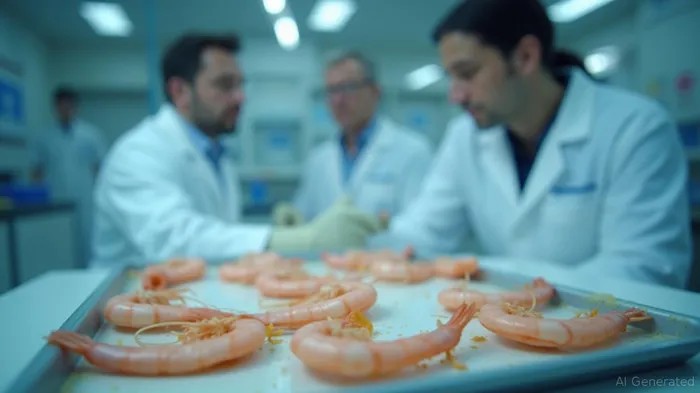
The radioactive material was discovered during routine checks by U.S. Customs and Border Protection at several major ports including Los Angeles, Houston, Miami, and Savannah. These checks led to the detention of some shipping containers, where breaded shrimp samples tested positive for Cesium-137. However, these contaminated products reportedly did not enter the U.S. food supply. Despite this, the FDA is taking precautionary steps by recommending a recall of several lots of raw frozen shrimp under Walmart’s Great Value brand.
The products identified for recall include Great Value brand frozen raw shrimp with the lot codes 8005540-1, 8005538-1, and 8005539-1, all featuring a best-by date of March 15, 2027. Distribution of these products included Walmart stores in states such as Alabama, Arkansas, Florida, Georgia, Kentucky, Louisiana, Missouri, Mississippi, Ohio, Oklahoma, Pennsylvania, Texas, and West Virginia. Consumers who have purchased these items are advised to discard them or return them to Walmart for a refund.
The FDA's stance is precautionary. Though the levels of Cesium-137 detected were below the agency's intervention limit, the FDA notes that long-term exposure to such radiation could pose health concerns, particularly an increased risk of cancer. Consequently, they have recommended not only the recall but also the restriction of future shipments from the implicated Indonesian supplier until the source of contamination has been thoroughly investigated and resolved.
Walmart has responded to the FDA's guidance by halting the sale of the affected shrimp and removing the products from their shelves. In a statement, a Walmart spokesperson emphasized the company's commitment to consumer safety, offering refunds for the recalled shrimp. The company is collaborating closely with the supplier to address the situation.
In parallel, the FDA is coordinating with U.S. Customs and Border Protection to prevent further entry of potentially contaminated shipments, while working with Indonesian regulatory authorities to investigate the contamination at its source. Officials are keen to trace all products from the implicated supplier throughout the import process to ensure no other contaminants reach consumers.
The presence of Cesium-137, a byproduct of nuclear reactions known for being a potential health hazard, has raised alarms. This isotope is known for its radiological risks if individuals are exposed to significant amounts over time, which may increase cancer risk due to damage in cellular DNA. Despite no positive detections in the U.S. supply, the contamination of the shrimp in shipping containers has prompted federal health officials to issue the warning as a preventive measure.
The ongoing situation highlights concerns around shipping large quantities of imported goods and the challenges associated with ensuring their safety from contaminants like Cesium-137. As the investigation continues, both U.S. officials and their Indonesian counterparts are actively seeking the source of contamination among shipments from PT. Bahari Makmur Sejati to mitigate future risks.
In the meantime, regulatory bodies have taken decisive action. The FDA has issued an import alert to prevent further entry of potentially contaminated products and has placed BMS Foods on the "red list," forbidding any of its future shipments from entering the U.S. market until the contamination issue is resolved.
The situation underscores the importance of stringent food safety measures and international cooperation in global food supply chains. For now, affected consumers are urged to follow FDA guidance and avoid consumption of the impacted shrimp products to minimize any potential health risks associated with low-level radioactive exposure. Pending the results of ongoing investigations, the FDA will issue further guidance to ensure that all appropriate actions are taken to protect consumers.
Analysts predict that such incidents could reinforce calls for more robust supply chain monitoring and potentially affect import policies and regulations surrounding food safety in the future. However, no long-term implications can be confirmed at this stage.
In summary, while immediate health risks from the affected shrimp sold at Walmart are considered low, the FDA advises prudence until comprehensive investigations clarify the contamination's extent and origin.

Stay ahead of the market.
Get curated U.S. market news, insights and key dates delivered to your inbox.




Comments
No comments yet