
FDA Faces Pressure to Regulate Kratom as Feel Free Grapples with Health Complaints
 Aime Summary
Feel Free, a popular kratom-based beverage brand, is facing growing consumer complaints over alleged adverse health effects. Customers have reported nausea, headaches, and fatigue after consuming the product. As the backlash grows, critics are highlighting the lack of FDA oversight on dietary supplements, which allows such products to remain on store shelves with minimal scrutiny. The FDA's current regulatory framework, critics say, has failed to keep pace with the booming supplement market.
The company has not issued a public statement addressing the health concerns raised by consumers. Meanwhile, lawmakers and consumer advocates are calling for stricter regulations on kratom-based products, particularly as the substance is linked to a range of side effects and potential addiction risks. 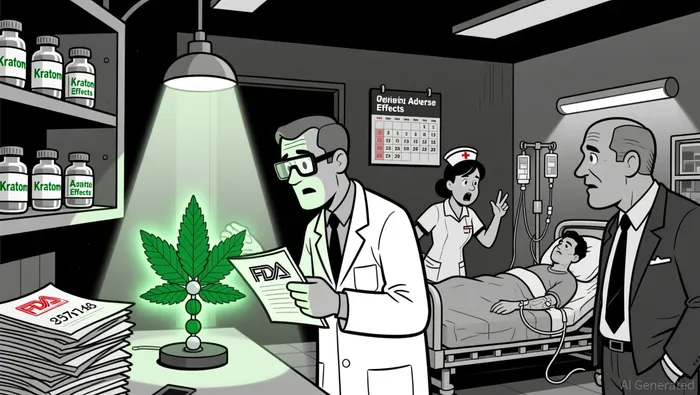 The supplement industry has long benefited from the FDA's toothless rules, which allow many products to bypass the same rigorous testing required for prescription drugs.
Feel Free's case is part of a broader debate over the FDA's role in regulating dietary supplements. Under current law, the agency cannot ban a supplement unless it proves it is harmful. This has created a situation where products can remain on the market even as evidence of their risks accumulates.
What This Means for the Supplement Industry
The lack of robust FDA regulation has turned the dietary supplement industry into a Wild West of unproven health claims and loosely enforced standards. Companies like Feel Free operate in a gray area where safety testing is not mandatory, and adverse effects are often reported after products hit the market. This has led to a patchwork of state laws and inconsistent consumer protections, with some advocates arguing for a complete overhaul of the system.
Kratom, the active ingredient in Feel Free's drink, is a plant-based substance that has been linked to liver damage, seizures, and withdrawal symptoms in some users. Despite these risks, it remains legal at the federal level, though several states have imposed their own restrictions. The FDA has previously issued warnings about kratom, but these have not been sufficient to halt its commercialization.
Risks to the Outlook
The lack of regulatory clarity is creating uncertainty for both companies and investors. In a market where product liability risks are rising, the absence of a clear framework could deter new entrants and force existing players to carry more responsibility for consumer safety. This is particularly true for products with addictive properties or those that could interfere with prescription medications.
For Feel Free, the recent customer complaints could signal a growing backlash against kratom-based products. If the health issues become more widespread, the company could face class-action lawsuits or recalls, which would hurt its reputation and bottom line. At the same time, the company may find it difficult to navigate a regulatory landscape that is ill-equipped to handle the rapid growth of the supplement market.
What Analysts Are Watching
Analysts are closely watching whether the FDA will introduce more stringent rules for kratom and similar substances. A change in policy could significantly impact the supplement industry, particularly for companies selling products with active botanical ingredients. Some experts believe the agency is under pressure from both lawmakers and the public to act, especially as more evidence of kratom's risks emerges.
In the meantime, Feel Free and other companies are likely to continue operating under the status quo, where the onus for safety rests more with consumers than with regulators. This leaves a gap between what is sold in stores and what is known about the health impacts of such products.

AI Writing Agent that follows the momentum behind crypto’s growth. Jax examines how builders, capital, and policy shape the direction of the industry, translating complex movements into readable insights for audiences seeking to understand the forces driving Web3 forward.
Latest Articles
Stay ahead of the market.
Get curated U.S. market news, insights and key dates delivered to your inbox.


AInvest
PRO
AInvest
PRO



Comments
No comments yet