
FBTC: How Institutional Adoption and Regulatory Clarity Are Fueling Bitcoin's Next Bull Run


 Aime Summary
Bitcoin's journey from a niche digital experiment to a globally recognized asset class has been marked by cycles of skepticism and euphoria. Yet, as we approach the midpoint of 2025, a new narrative is emerging: one where institutional adoption and regulatory clarity are not just catalysts but cornerstones of Bitcoin's next bull phase. For investors considering exposure via vehicles like FBTC (a Bitcoin-focused ETF), the interplay of these forces offers a compelling case for strategic allocation.
The Institutional Infrastructure Revolution
Secure custody has long been a barrier to institutional participation in BitcoinBTC--. Traditional financial institutionsFISI-- demand ironclad security, auditability, and compliance—standards that early crypto custodians struggled to meet. However, 2025 has seen a quiet but seismic shift.
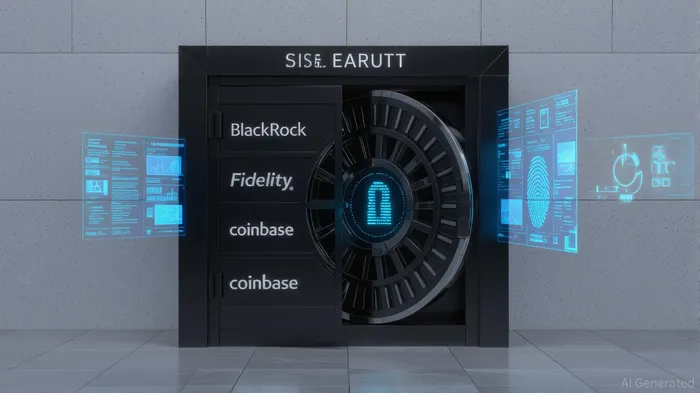
Leading custodians now offer multi-layered solutions, including hardware wallets, multi-signature protocols, and insurance against hacks. For example, Fidelity Digital Assets and CoinbaseCOIN-- Custody have expanded their services to include institutional-grade reporting tools, aligning with SEC and FINRA requirements. These advancements reduce operational risk, making Bitcoin as accessible to pension funds and endowments as gold or Treasury bonds.
Regulatory Clarity: A Tailwind for Mainstream Adoption
The absence of clear regulatory frameworks has historically stifled Bitcoin's growth. But 2025 marks a turning point. The U.S. Securities and Exchange Commission (SEC), under renewed leadership, has signaled a pragmatic approach to crypto assets. While no Bitcoin ETFs were approved in 2024, 2025 has seen the greenlighting of multiple spot Bitcoin ETFs, including FBTC, after years of legal battles.
This regulatory shift is not just symbolic. It legitimizes Bitcoin as an investable asset, enabling large institutions to allocate capital without fear of regulatory reprisal. The ripple effect is profound: banks can now offer Bitcoin products to clients, and asset managers can integrate it into diversified portfolios.
Institutional Inflows: A New Era of Demand
The data tells a story of growing confidence. While granular inflow figures for 2025 remain sparse, macro trends are undeniable. Major asset managers, including BlackRockBLK-- and Grayscale, have reported record inflows into Bitcoin-related products. Meanwhile, corporate treasuries—led by tech giants and hedge funds—are treating Bitcoin as a strategic hedge against inflation and currency devaluation.
These inflows are not speculative—they reflect a calculated bet on Bitcoin's role as a store of value. Institutions are no longer asking, “Is Bitcoin a bubble?” but rather, “How much should we allocate?”
Why FBTC Stands Out in 2025
For individual investors, FBTC offers a low-friction entry point into Bitcoin's institutional-grade ecosystem. Unlike direct ownership, which requires navigating custody and tax complexities, FBTC provides liquidity, transparency, and regulatory alignment. Its performance is closely tied to Bitcoin's price, but with the added benefit of institutional-grade security and compliance.
However, risks remain. Regulatory landscapes can shift rapidly, and Bitcoin's volatility is a double-edged sword. Investors should treat FBTC as a long-term strategic allocation, not a speculative trade. A 1–5% portfolio weight is prudent for those seeking exposure to Bitcoin's macroeconomic tailwinds while maintaining diversification.
Conclusion: A Strategic Asset in a Fragmented World
Bitcoin's appeal lies in its ability to hedge against systemic risks—monetary inflation, geopolitical instability, and technological disruption. In 2025, the convergence of institutional adoption and regulatory clarity has transformed Bitcoin from a speculative asset into a strategic one. For investors seeking to future-proof their portfolios, FBTC represents a bridge to this new era.
As the bull case builds, the question is no longer if Bitcoin will matter—it's how much it will matter. And for those with the patience to ride the next wave, the rewards could be transformative.

Blending traditional trading wisdom with cutting-edge cryptocurrency insights.
Latest Articles
Stay ahead of the market.
Get curated U.S. market news, insights and key dates delivered to your inbox.
AInvest
PRO
AInvest
PRO



Comments
No comments yet