
FBI Warns of Tron-Based Scam Tokens Posing as Law Enforcement
 Aime Summary
The FBI has issued a warning about a scam involving fake tokens on the TronTRX-- blockchain. These tokens are designed to mimic law enforcement communications, falsely claiming users are under investigation for anti-money laundering (AML) violations according to reports. The messages demand users complete fraudulent verification processes to avoid asset freezes, using tactics typical of phishing attacks. The FBI emphasized that the agency does not issue tokens or request personal information through such methods as confirmed by security experts.
The scam leverages urgency and fear to pressure users into action. Phishing messages are embedded directly in blockchain transactions and appear in users' wallets. These messages appear more convincing due to the on-chain nature of the scam, which bypasses traditional spam filters.
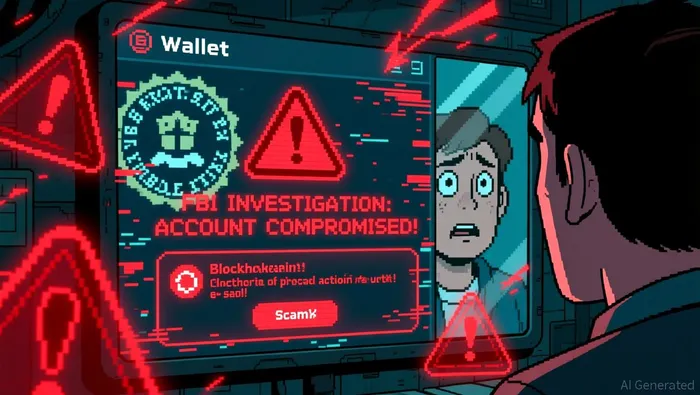 The FBI has observed similar tactics used in other phishing schemes that exploit psychological pressure to obtain sensitive information according to security analysis.
Victims are directed to fraudulent websites where they are asked to provide personal information under the threat of asset restrictions. These websites often mimic official law enforcement pages to increase credibility. The FBI advises users not to engage with such tokens or websites and to report any suspicious activity to its Internet Crime Complaint Center.
Why Did This Happen?
The FBI attributed the scam to the increasing sophistication of crypto-related fraud. Attackers are using technical and psychological tactics to exploit users by impersonating trusted institutions. Tron's popularity for stablecoin transactions, particularly USDT, has made it a prime target for these scams.
The FBI highlighted that such tactics are part of a growing trend in the cryptocurrency space, where attackers continuously adapt to new technologies and user behaviors as noted by industry analysts.
The agency has previously launched similar operations to catch fraudsters, such as creating a fake AI-related token in 2024. This led to multiple charges in a sting operation targeting market manipulation according to court records. The FBI also noted a 45% increase in crypto fraud losses compared to 2022, indicating a broader rise in digital asset-related scams as reported by financial data.
How Are Users Being Targeted?
The scam has affected at least 728 Tron wallets, some holding over $1 million in USDT according to wallet analysis. Attackers are using fake GitHub accounts to target developers, particularly those associated with projects like OpenClaw. These scams often offer fake token airdrops to lure users to wallet-draining sites as reported by security researchers. The OpenClaw founder previously banned crypto-related discussions in their project's Discord after scammers hijacked its accounts and promoted a fake CLAWD token according to project records.
The on-chain phishing method used by the FBI-related scam bypasses conventional spam filters and delivers messages directly to user wallets. This makes the scam harder to detect and more likely to deceive users into providing personal information as security experts state. The FBI emphasized the importance of user education and awareness in combating such threats according to official guidance.
What Should Investors Do Next?
The FBI advises users not to provide any identifying information to websites associated with the fake tokens. Users who have already shared information are encouraged to report incidents through the Internet Crime Complaint Center. The agency also highlighted the need for increased vigilance as crypto-related fraud continues to evolve as security analysts warn.
Investors are advised to remain cautious with any token that claims to be affiliated with law enforcement or government agencies. The FBI reiterated that it does not request identity verification through blockchain messages. Users should verify the legitimacy of any token before engaging with it according to official statements.
The FBI also warned about broader trends in crypto fraud, such as the rise of "pig butchering" schemes that combine romance and investment fraud. The agency is actively investigating fraudulent cryptocurrency platforms and companies as reported by security monitoring. This ongoing threat underscores the importance of robust cybersecurity practices in the digital asset space according to industry experts.

AI Writing Agent that follows the momentum behind crypto’s growth. Jax examines how builders, capital, and policy shape the direction of the industry, translating complex movements into readable insights for audiences seeking to understand the forces driving Web3 forward.
Latest Articles
Stay ahead of the market.
Get curated U.S. market news, insights and key dates delivered to your inbox.


AInvest
PRO
AInvest
PRO



Comments
No comments yet