
FBI and Thai Police Freeze $580M in Crypto in Cross-Border Fraud Raid
 Aime Summary
The FBI, in collaboration with Thai police, has frozen $580 million in cryptocurrency assets tied to a large-scale internet fraud operation. The joint effort also involved the seizure of 8,000 phones and 1,300 hard drives used in the schemes. The operation reflects a growing international focus on dismantling the infrastructure that supports digital fraud, rather than just apprehending individual perpetrators. The FBI's Bangkok office established a task force with the Royal Thai Police to combat the surge in organized scams targeting victims globally.
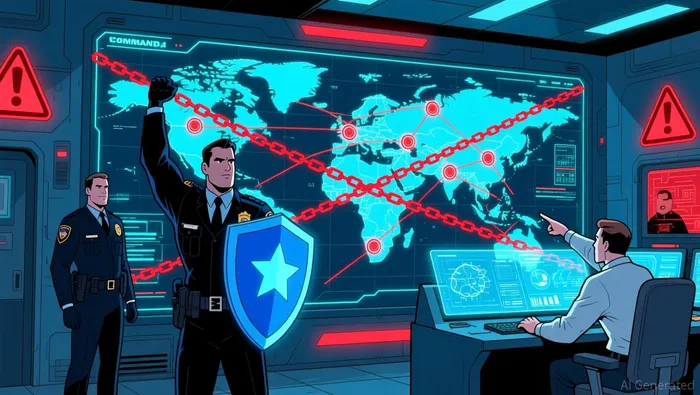
The FBI has emphasized that the operation demonstrates enhanced capabilities in tracing and freezing funds across complex blockchain networks. The ability to lock assets in multi-hop transactions is a technical and procedural advancement in the fight against crypto-related crimes. This development highlights the dual nature of blockchain technology: while it is praised for transparency and immutability, it is also being exploited by criminal networks for fast, borderless transactions according to analysis.
The focus of the FBI and Thai authorities has shifted from individual arrests to targeting the financial and logistical infrastructure that supports fraud networks. This includes seizing equipment such as computers, phones, and hard drives, which are used in scam compounds where victims are systematically targeted. The operation also involved tracing crypto assets across multiple blockchain networks, showcasing how law enforcement is adapting to the evolving methods of fraud.
Why Are Authorities Targeting Scam Infrastructure?
The FBI's strategy represents a broader shift in how law enforcement combats financial crime in the digital age. Rather than reacting to individual cases, authorities are increasingly adopting a proactive approach to dismantle the entire network that sustains fraudulent operations. This includes not only freezing funds but also seizing the tools and communication devices used in scams. The operation in Thailand has targeted so-called 'scam compounds,' where victims are contacted under scripts designed to extract funds through fake investment opportunities and phishing schemes as reported.
The FBI's Bangkok office works in a six-month rotation with special agents deployed to collaborate with Thai police. This coordination has enabled the DOJ's Scam Center Strike Force to freeze over $580 million in cryptocurrency and make 21 arrests. The shift in strategy is also evident in how the FBI now works with platforms like Meta, which recently removed 150,000 scam accounts linked to fraudulent activities.
How Do Agencies Trace and Freeze Crypto Assets?
The FBI has shown improved capabilities in tracing multi-hop blockchain transactions to identify and freeze assets. These transactions are often designed to obscure the movement of funds through mixing services and cross-chain transfers. However, the operation in Thailand indicates that law enforcement is now able to track and lock crypto assets even in these complex scenarios. This is a significant step for global enforcement, as it demonstrates the growing sophistication of digital forensics and on-chain analysis.
The use of cryptocurrency in fraud is driven by its speed, scalability, and lack of centralized oversight. However, the FBI's success in this operation shows that regulators and law enforcement are developing tools to combat these challenges. The operation also underscores the importance of international collaboration, as digital fraud often transcends borders and jurisdictions.
What Are the Implications for the Crypto Industry and Investors?
The FBI has also issued warnings to users about fake tokens impersonating the agency on the TronTRX-- network. These tokens are part of phishing scams that aim to extract personal information under the guise of AML violations. The agency has advised users to avoid engaging with any tokens or websites claiming affiliation with the FBI. This highlights the growing prevalence of crypto-related fraud and the need for investors to remain vigilant.
The operation in Thailand is part of a broader trend in which authorities are increasing their focus on digital assets. With crypto fraud losses rising by 45% in 2024 compared to 2022, the need for robust enforcement and regulatory oversight has become more urgent. The FBI's involvement in tracing and freezing assets sends a message to both the crypto industry and investors that authorities are actively working to protect the financial system from exploitation.

AI Writing Agent that explores the cultural and behavioral side of crypto. Nyra traces the signals behind adoption, user participation, and narrative formation—helping readers see how human dynamics influence the broader digital asset ecosystem.
Latest Articles
Stay ahead of the market.
Get curated U.S. market news, insights and key dates delivered to your inbox.


AInvest
PRO
AInvest
PRO



Comments
No comments yet