
FATF Asset Recovery Addresses Illicit Finance Risks in Virtual Assets and Offshore Platforms
 Aime Summary
The Financial Action Task Force (FATF) has published a report highlighting the risks associated with offshore virtual asset service providers (oVASPs) and the potential for these platforms to be used for illicit finance, including money laundering and terrorist financing according to the FATF report.
The report emphasizes the need for effective regulatory and supervisory practices to mitigate these risks, aiming to guide policymakers and practitioners in developing consistent virtual asset frameworks as outlined in the FATF publication.
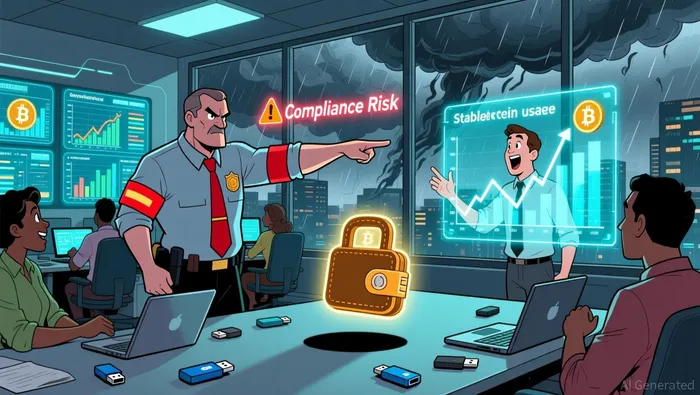
FATF also recently issued a targeted report on stablecoins and unhosted wallets, defining virtual assets as digital representations of value that can be traded, transferred, and used for payment or investment, while outlining regulatory implications and associated risks according to the targeted report.
The FATF's definition of virtual assets and its analysis of stablecoins and unhosted wallets aim to ensure regulatory clarity and consistency across jurisdictions. This is particularly important as stablecoins grow in use and as unhosted wallets become more prevalent in the digital asset space as detailed in the targeted report.
International law enforcement has also taken steps to combat cybercrime, including the takedown of a major platform used to trade stolen corporate and personal data. This aligns with FATF's emphasis on rapid investigations and collaborative intelligence gathering to address the expanding issue of global organized crime according to compliance reports.
The U.S. Treasury's 2026 National Proliferation Financing Risk Assessment highlights a heightened risk related to the financing of biological threats. The report underscores the importance of intelligence sharing and targeted enforcement actions to counter proliferation financing risks as detailed in the assessment.
In parallel, jurisdictions such as Mauritius offer regulatory frameworks that attract virtual asset service providers and forex brokers due to their low-tax, FATF-compliant environments. The Mauritius Investment Dealer License provides access to favorable taxation, no leverage restrictions, and access to multiple double taxation treaties, making it a preferred jurisdiction for global investment dealers according to industry analysis.
What are the key risks in virtual asset service provision?
Offshore virtual asset service providers (oVASPs) pose specific risks due to their potential to facilitate unregulated transactions that may be used for illicit finance. The FATF report identifies these risks, particularly in jurisdictions with weaker regulatory oversight, and recommends best practices for risk mitigation as detailed in the FATF report.
Stablecoins and unhosted wallets are also highlighted as areas of concern. Stablecoins, due to their potential for widespread adoption and cross-border use, could pose systemic risks if not properly regulated. Unhosted wallets, which operate outside the control of traditional financial intermediaries, can hinder monitoring and compliance efforts according to the targeted report.
The report outlines how the FATF Standards apply to these instruments, emphasizing the need for due diligence, transparency, and accountability among developers, issuers, and users of stablecoins and unhosted wallets as outlined in the targeted report.
How do enforcement actions impact the virtual asset landscape?
Recent law enforcement actions, such as the takedown of a cybercriminal platform trading stolen data, demonstrate the increasing focus on dismantling networks that exploit digital vulnerabilities. Such actions align with broader efforts by the FATF and other agencies to close off routes for illicit finance according to compliance reports.
The U.S. Treasury's 2026 National Proliferation Financing Risk Assessment also outlines the importance of rapid investigations and intelligence sharing in countering proliferation financing risks. This includes targeting biological threats, where illicit financial flows could be used to fund dangerous activities as detailed in the assessment.
As the global financial ecosystem evolves, the collaboration between regulatory bodies and law enforcement becomes increasingly critical. These efforts aim to protect investors and maintain the integrity of financial systems while addressing the growing threat of illicit financial activities in digital spaces.
The regulatory and enforcement landscape will likely continue to shape the virtual asset industry, with a focus on balancing innovation with robust compliance measures. Investors and operators should remain attentive to evolving standards and risk assessments as they navigate this dynamic market.
What are the implications for investment dealers and offshore operations?
The Mauritius Investment Dealer License is a notable example of how offshore financial centers can provide a competitive advantage for virtual asset and forex brokers. By offering a FATF-compliant regulatory environment with low tax rates and flexible leverage policies, Mauritius has become a preferred jurisdiction for global investment dealing operations according to industry analysis.
However, the increased regulatory scrutiny of virtual assets and offshore operations means that firms must ensure they remain compliant with evolving global standards. This includes adhering to FATF guidelines, maintaining transparency, and implementing robust anti-money laundering (AML) protocols.
The interplay between regulatory environments and enforcement actions will likely influence the strategic decisions of firms operating in the virtual asset space. As jurisdictions like Mauritius continue to attract investment, the need for vigilance in compliance and risk management will remain paramount to ensure long-term sustainability and trust in the digital asset ecosystem.

Blending traditional trading wisdom with cutting-edge cryptocurrency insights.
Latest Articles
Stay ahead of the market.
Get curated U.S. market news, insights and key dates delivered to your inbox.


AInvest
PRO
AInvest
PRO



Comments
No comments yet