
The Fast Food Makeover: Jack in the Box’s Bold Turnaround Plan and Its Ripple Effects
Lead:
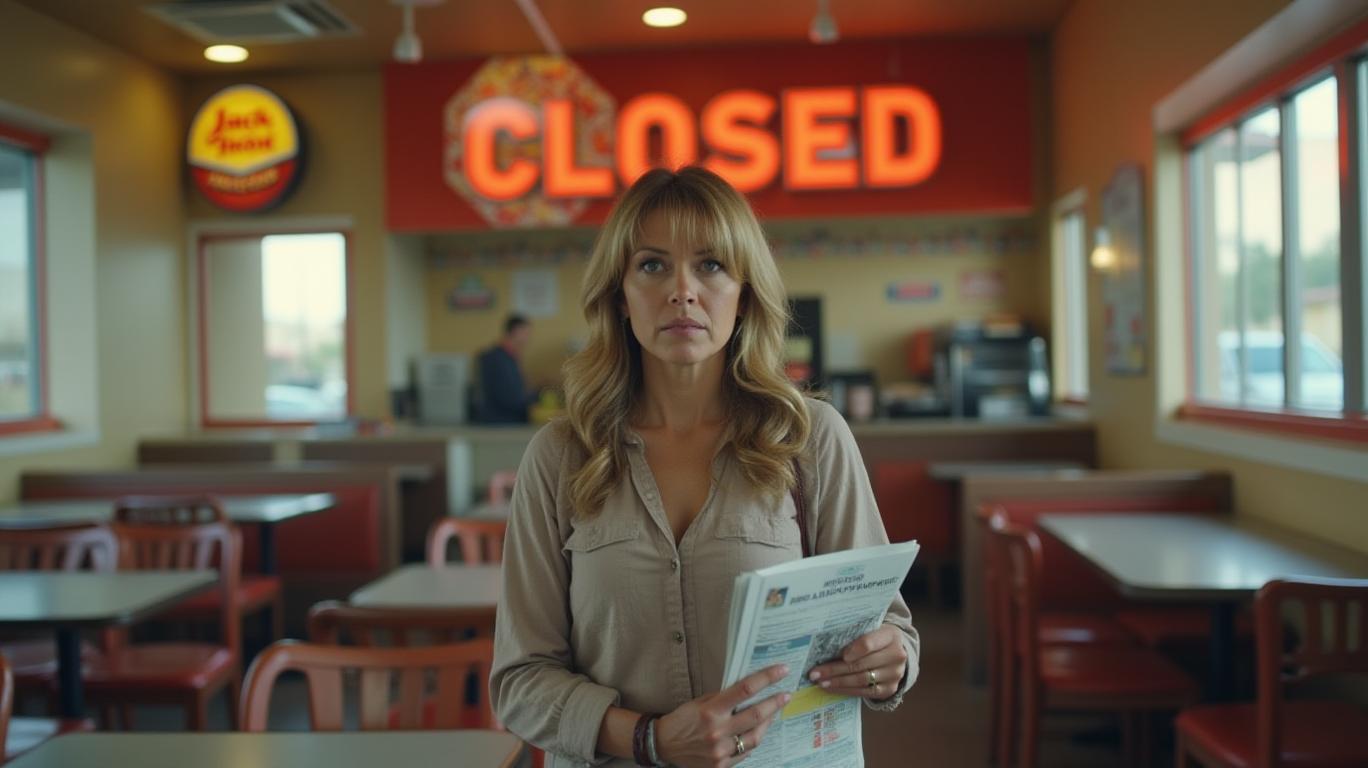
In a dramatic shift for the fast-food industry, Jack in the BoxJACK-- (NYSE: JACK) announced on April 24, 2025, a sweeping restructuring plan dubbed “JACK on Track,” which includes closing up to 200 underperforming locations, halting dividends, and exploring the sale of its Del Taco brand—a move analysts call a “strategic reckoning” to survive rising costs and stagnant sales.
The Turnaround Plan: Cutting Costs, Closing Stores, and Selling Assets
The core of Jack in the Box’s strategy is a ruthless focus on profitability. The company will shutter 10% of its 2,200 restaurants—primarily in California and Texas—by 2026, with an initial 80–120 closures this year. CEO Lance Tucker emphasized that these cuts are “non-negotiable” to reduce debt and free up capital for tech upgrades like a new point-of-sale system.
The plan also includes selling real estate at up to 170 franchise locations, targeting a $300 million debt reduction over 12–18 months. Investors reacted swiftly: shares fell 5.7% to $23.96 on April 25, extending a year-long slide fueled by same-store sales declines of 4.4% and mounting debt.
The Del Taco Dilemma: A $585 Million Mistake?
The decision to divest Del Taco, acquired in 2022 for $585 million, underscores the severity of Jack in the Box’s financial struggles. Del Taco’s sales dropped 3.6% in Q2 2025, and half its 600 locations sit in California—a state grappling with a $20/hour fast-food wage mandate.
San Diego consultant John Gordon, quoted in Restaurant Business, called the acquisition “a $200–$300 million overpayment,” citing poor brand synergy and operational missteps. BofA Securities is now exploring a sale, but analysts question whether a buyer will materialize given Del Taco’s reliance on a saturated market.
Industry Headwinds: Inflation, Labor, and Consumer Fatigue
Jack in the Box’s woes reflect broader fast-food industry challenges. Rising labor costs—particularly in California—have squeezed margins, while inflation has driven up food prices. Competitors like Taco Bell are outpacing Jack in the Box with aggressive menu innovation, leaving the latter scrambling to retain relevance.
The company’s pivot to an “asset-light” model—relying more on franchised units—may help, but franchisees face their own hurdles. For instance, franchisees operating closed locations must either relocate or absorb losses, compounding uncertainty.
Conclusion: A Risky Gamble with High Stakes
Jack in the Box’s survival hinges on executing its “JACK on Track” plan flawlessly. While closing underperforming stores and selling non-core assets are prudent moves, the company’s $500 million debt maturity in February ing 2027 looms large.
Investors should monitor two critical metrics:
1. Del Taco’s sale progress: A successful divestiture could reduce debt by hundreds of millions.
2. Same-store sales recovery: A rebound in Jack in the Box’s core brand is essential to rebuild investor confidence.
The fast-food landscape is ruthlessly competitive, and Jack in the Box’s gamble—trading short-term pain for long-term stability—could pay off. But with a stock down 60% year-to-date and a history of missteps (like the 2006 Qdoba sale), this is a high-stakes bet. For now, the market is skeptical.
Final Takeaway:
Jack in the Box’s restructuring is a necessary but risky pivot. Success depends on franchisee cooperation, a Del Taco buyer willing to pay a fair price, and a rebound in consumer spending. Until then, investors should brace for volatility—and keep an eye on that $20 minimum wage.
Word Count: 698

Stay ahead of the market.
Get curated U.S. market news, insights and key dates delivered to your inbox.




Comments
No comments yet