
Farmers Confront Critical 2026 Crop Insurance Overhaul And Economic Headwinds
 Aime Summary
- USDA finalizes sweeping crop insurance reforms for 2026 including simplified prevented planting rules and expanded specialty crop coverage according to the latest announcement.
- Farm income could plunge $30 billion in 2026 due to low crop prices and reduced government payments.
- Disaster assistance programs require documentation by March 2026 deadlines for livestock and crop losses.
- Labor shortages and trade uncertainties compound profitability pressures for over 48% of farms.
As 2026 approaches, U.S. agricultural producers face converging regulatory changes and economic pressures. Landmark reforms to federal crop insurance will reshape risk management strategies starting with the next crop year. Simultaneously, forecasts of plunging farm income and persistent labor shortages create a complex operating environment. These developments arrive amid a backdrop of trade disruptions and heightened climate volatility impacting operations nationwide.
Is 2026 The Next Year For Major Crop Insurance Changes?
The USDA finalized the Expanding Access to Risk Protection Rule, taking effect for the 2026 crop year with significant structural updates. Key modifications eliminate the 'insured' requirement from prevented planting eligibility tests while maintaining land-use standards. Production reporting is streamlined by allowing farmers switching insurers to submit histories directly to new providers, reducing administrative delays. Specialty crop coverage 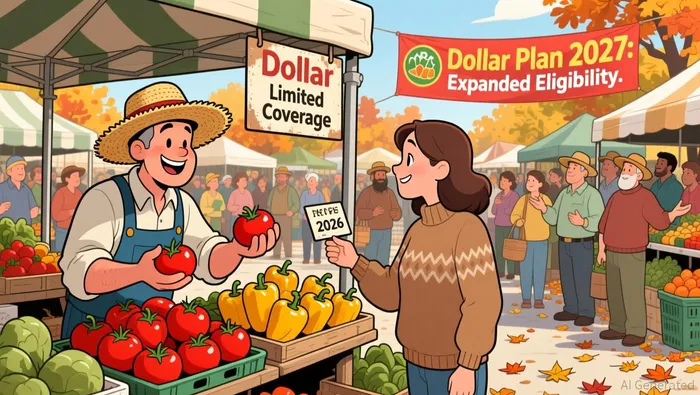 becomes eligible under the Dollar Plan starting in 2027.
Beginning farmer eligibility now extends from five to ten crop years with tiered premium subsidies according to new rules. Harvest price methodology defaults to projected prices when insufficient data exists, featuring reimbursement mechanisms for premium adjustments as research shows. Experts caution these highly subsidized changes may create long-term program integrity risks despite aiming to reduce friction as noted by industry analysts. The reforms reflect broader efforts to align federal safety nets with modern farming practices while responding to producer feedback.
What Economic Challenges Will Farmers Face In 2026?
Farm income could drop by $30 billion during 2026 amid low commodity prices and reduced federal payments. Trade uncertainties continue to cloud export markets following China's reduced soybean purchases and ongoing tariff disputes. Economists note this strains operators already facing rising input costs, higher interest rates, and constrained profit margins. Current projections indicate only 52% of U.S. agricultural operations will achieve profitability despite near-record government subsidies according to market analysts.
Labor shortages exacerbate these pressures as immigration enforcement reduced the agricultural workforce by approximately 750,000 workers. Processing and harvest operations face particular challenges with insufficient domestic labor availability even at elevated wages. Concurrently, regulatory uncertainty persists around environmental policies and farm bill negotiations. Most lenders anticipate increased farm debt through 2026 as producers struggle with tight operating margins across commodity sectors.
What Disaster Assistance Programs Target 2026 Agriculture Risks?
Critical safety net programs require producer action by early 2026 deadlines following weather emergencies. The Livestock Indemnity Program compensates for excess animal deaths documented by March 2, 2026 according to program guidelines. Feed and grazing losses are covered under the Emergency Assistance program with identical application deadlines as specified in the rules. Producers must report crop damage within 72 hours and follow up in writing within 15 days to qualify for related aid as required by the program.
The Tree Assistance Program provides cost-share support for replanting eligible trees within 90 days of loss discovery according to the guidelines. Financial assistance extends to infrastructure repairs through Farm Storage Facility Loans and Emergency Conservation Programs as provided by the program. Emergency farm loans offer operating capital for producers unable to secure commercial financing, covering essential property replacement and refinancing needs . These layered mechanisms aim to mitigate climate-related disruptions as coverage periods extend in hurricane-prone regions.

Stay ahead of the market.
Get curated U.S. market news, insights and key dates delivered to your inbox.


AInvest
PRO
AInvest
PRO



Comments
No comments yet