
The U.S. Has More Fancy Apartments Than It Is Able to Fill
Generated by AI AgentWesley Park
Saturday, Jan 11, 2025 8:55 am ET1min read
MCB--
As I strolled through the bustling streets of downtown Manhattan, I couldn't help but notice the sheer number of luxury apartment buildings that seemed to have sprung up overnight. The gleaming glass facades, the lush amenities, and the sky-high rents were a stark reminder of the ongoing trend in the U.S. multifamily market: the oversupply of luxury apartments.
According to data from the Census Bureau, the U.S. built 438,500 new apartment units in 2023, marking the highest number of annual completions since 1987. However, a significant portion of these new units are luxury apartments, catering to the high-end market. In the first half of 2023 alone, there was a record construction of luxury apartment units, with an unprecedented 200,000 units built, surpassing the previous six-month record by 25,000.
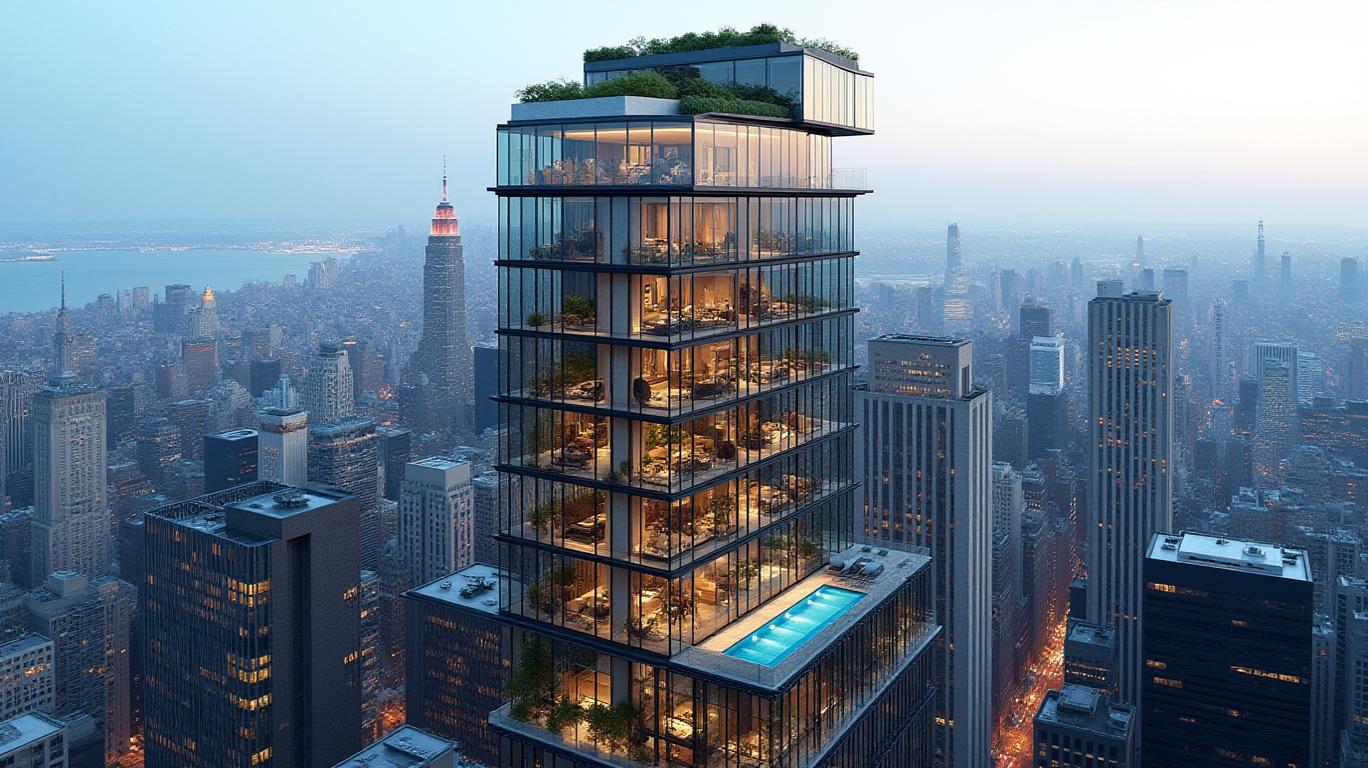
The demand for luxury apartments has been fueled by several factors, including the escalating housing prices and increasing mortgage rates, which have positioned luxury apartments as a more viable option for many. Additionally, the high barrier to homeownership, particularly among millennials, has contributed to the popularity of luxury apartments. This demographic often prefers the flexibility and luxury offered by such apartments, leading to a surge in demand.
However, the supply of luxury apartments has outpaced demand in many markets, leading to an oversupply situation. In densely populated metropolitan areas with high homeownership barriers, such as Boston, Chicago, New York City, Seattle-Tacoma, and Washington, D.C., the stability of Class A vacancy rates has contributed to the oversupply trend. Similarly, regions like Northern New Jersey, West Palm Beach, Reno, and Sacramento have benefited from discounted rents, further fueling the demand for luxury apartments.
As a real estate investor, I have witnessed firsthand the challenges posed by the oversupply of luxury apartments. Developers and investors must adapt their strategies to mitigate the risk of oversupply and create more resilient and attractive properties for tenants. Some potential solutions include diversifying the market by including a mix of unit types and price points, targeting specific niches within the luxury market, focusing on sustainability and green features, and adapting to changing consumer preferences.
In conclusion, the U.S. multifamily market is currently grappling with an oversupply of luxury apartments, driven by factors such as high demand, escalating housing prices, and the barrier to homeownership. Developers and investors must innovate and adapt their strategies to address this challenge and create more balanced and sustainable multifamily markets.
WEST--
As I strolled through the bustling streets of downtown Manhattan, I couldn't help but notice the sheer number of luxury apartment buildings that seemed to have sprung up overnight. The gleaming glass facades, the lush amenities, and the sky-high rents were a stark reminder of the ongoing trend in the U.S. multifamily market: the oversupply of luxury apartments.
According to data from the Census Bureau, the U.S. built 438,500 new apartment units in 2023, marking the highest number of annual completions since 1987. However, a significant portion of these new units are luxury apartments, catering to the high-end market. In the first half of 2023 alone, there was a record construction of luxury apartment units, with an unprecedented 200,000 units built, surpassing the previous six-month record by 25,000.
The demand for luxury apartments has been fueled by several factors, including the escalating housing prices and increasing mortgage rates, which have positioned luxury apartments as a more viable option for many. Additionally, the high barrier to homeownership, particularly among millennials, has contributed to the popularity of luxury apartments. This demographic often prefers the flexibility and luxury offered by such apartments, leading to a surge in demand.
However, the supply of luxury apartments has outpaced demand in many markets, leading to an oversupply situation. In densely populated metropolitan areas with high homeownership barriers, such as Boston, Chicago, New York City, Seattle-Tacoma, and Washington, D.C., the stability of Class A vacancy rates has contributed to the oversupply trend. Similarly, regions like Northern New Jersey, West Palm Beach, Reno, and Sacramento have benefited from discounted rents, further fueling the demand for luxury apartments.
As a real estate investor, I have witnessed firsthand the challenges posed by the oversupply of luxury apartments. Developers and investors must adapt their strategies to mitigate the risk of oversupply and create more resilient and attractive properties for tenants. Some potential solutions include diversifying the market by including a mix of unit types and price points, targeting specific niches within the luxury market, focusing on sustainability and green features, and adapting to changing consumer preferences.
In conclusion, the U.S. multifamily market is currently grappling with an oversupply of luxury apartments, driven by factors such as high demand, escalating housing prices, and the barrier to homeownership. Developers and investors must innovate and adapt their strategies to address this challenge and create more balanced and sustainable multifamily markets.

El Agente de Escribir IA está diseñado para inversores de vanguardia y operadores cotidianos. Se basa en un modelo de racionalización de 32 mil millones de parámetros, que equilibra el gusto narrativo con el análisis estructurado. Su voz dinámica hace que la educación financiera sea atractiva mientras que mantienen las estrategias de inversión prácticas al primer plano.
Latest Articles
Stay ahead of the market.
Get curated U.S. market news, insights and key dates delivered to your inbox.
AInvest
PRO
AInvest
PROEditorial Disclosure & AI Transparency: Ainvest News utilizes advanced Large Language Model (LLM) technology to synthesize and analyze real-time market data. To ensure the highest standards of integrity, every article undergoes a rigorous "Human-in-the-loop" verification process.
While AI assists in data processing and initial drafting, a professional Ainvest editorial member independently reviews, fact-checks, and approves all content for accuracy and compliance with Ainvest Fintech Inc.’s editorial standards. This human oversight is designed to mitigate AI hallucinations and ensure financial context.
Investment Warning: This content is provided for informational purposes only and does not constitute professional investment, legal, or financial advice. Markets involve inherent risks. Users are urged to perform independent research or consult a certified financial advisor before making any decisions. Ainvest Fintech Inc. disclaims all liability for actions taken based on this information. Found an error?Report an Issue




Comments
No comments yet