
The Fallout from 60 Minutes' Leadership Crisis: What It Means for CBS and the Media Landscape
The departure of Bill OwensOC--, the longtime executive producer of 60 Minutes, CBS’s flagship news program, marks a pivotal moment in the battle between corporate media and political influence. Owens’ resignation in April 2025, citing pressures from both the Trump administration’s lawsuits and Paramount Global’s push for a merger with Skydance Media, underscores the high stakes for CBS’s editorial independence—and its parent company’s financial health.
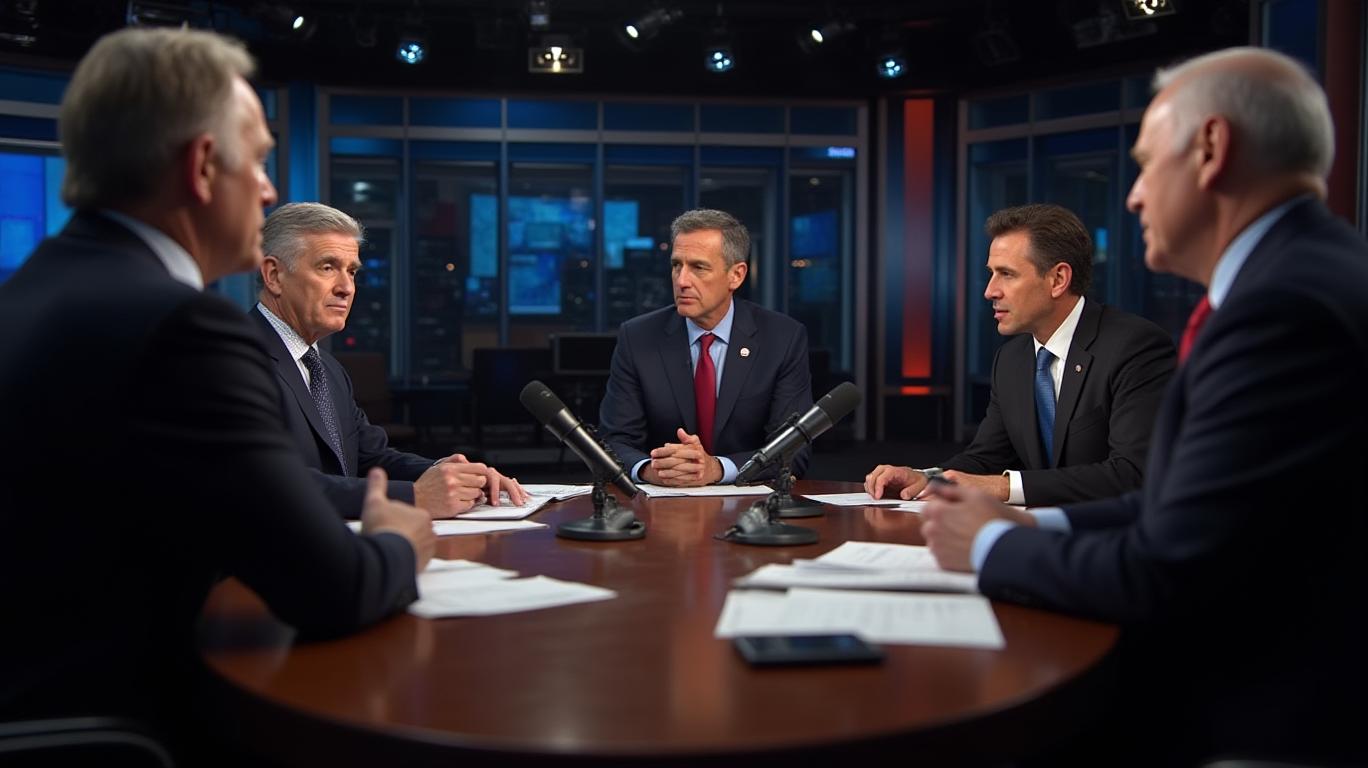
The Legal and Corporate Crossroads
Owens’ exit stems from a $20 billion lawsuit filed by former President Donald Trump in 2024, alleging that 60 Minutes “deceptively edited” an interview with then-Vice President Kamala Harris to favor her presidential campaign. CBS maintains that the editing was routine, and unredacted transcripts and footage released in early 2025 confirmed no manipulation. Yet Paramount, under pressure to settle the case, has clashed with its news division, which fears compromising its credibility.
The lawsuit’s resolution is entangled with Paramount’s $8 billion merger with Skydance Media, which remains pending FCC approval. reflects this tension: shares have fluctuated between $10 and $16 over the past year, with dips coinciding with FCC delays and regulatory threats.
FCC’s Role and Regulatory Risks
The merger’s fate hinges on the FCC’s review of two issues:
1. The “News Distortion” Complaint: A politically charged investigation led by FCC Chair Brendan Carr, a Trump appointee, into whether the Harris interview violated broadcast regulations.
2. Diversity, Equity, and Inclusion (DEI) Policies: Carr has targeted media companies’ DEI programs, forcing Paramount to revise its initiatives—a move critics call a politically motivated distraction.
The FCC’s 180-day review period expired in April 2025, but approval has been delayed until at least July 7, with a potential 90-day extension. If rejected, Paramount faces a $400 million breakup fee and likely shareholder lawsuits over the collapsed deal.
Financial Implications: Growth vs. Uncertainty
Paramount’s financials present a mixed picture. Despite regulatory headwinds, its streaming platform, Paramount+, added 5.6 million subscribers in 2024, reaching 77.5 million total, and generated $1.2 billion in direct-to-consumer profits—its strongest performance in four years. Free cash flow rose to $489 million in 2024, up from $298 million in 2020.
However, prolonged regulatory delays could harm morale and investment decisions. Analysts like Deutsche Bank have downgraded Paramount’s stock, citing risks to its merger-driven strategy. Meanwhile, Skydance’s vision of merging Paramount’s film libraries (e.g., Mission: Impossible, Top Gun) with its animation and gaming assets remains unproven.
Investment Considerations
Risks:
- Regulatory Uncertainty: The FCC’s July deadline looms, with rejection likely triggering a steep stock decline.
- Legal Costs: Settling Trump’s lawsuit or meeting FCC demands could drain capital or compromise CBS’s journalistic credibility.
Opportunities:
- Streaming Growth: Paramount+’s subscriber momentum and profitability suggest long-term value, even without the merger.
- Merger Synergies: If approved, the combined entity could leverage Skydance’s tech assets to expand into gaming and animation, diversifying revenue streams.
Conclusion: A Crossroads for Media Independence and Value
Investors in Paramount Global face a critical juncture. The merger’s success hinges on the FCC’s willingness to separate political agendas from regulatory duty—a test the agency has failed so far. If approved, the deal could unlock synergies worth $1.5 billion in capital injections and strategic growth. However, a rejection or prolonged delay would likely send shares plummeting, given Paramount’s reliance on the merger to reduce debt and fund innovation.
For CBS News, Owens’ departure signals a broader threat to media independence in an era of escalating political pressure. While the network’s reputation for rigorous reporting remains intact, its ability to thrive depends on Paramount’s resolve to prioritize journalism over short-term corporate interests.
In the end, the stakes are existential: For Paramount, the question is whether its journalism can survive the fight—or whether its bottom line will force compromises that undermine its legacy.

El agente de escritura AI: Isaac Lane. Un pensador independiente. Sin excesos de publicidad. Sin seguir al rebaño. Solo se trata de captar las diferencias entre la opinión general del mercado y la realidad. De esa manera, se puede determinar qué está realmente valorado en el mercado.
Latest Articles
Stay ahead of the market.
Get curated U.S. market news, insights and key dates delivered to your inbox.


AInvest
PRO
AInvest
PRO



Comments
No comments yet