
Fairmont Golden Prague: A €159 Million Revival Redefining Prague's Luxury Landscape
A Monumental Investment in HeritageCASK-- and Modernity
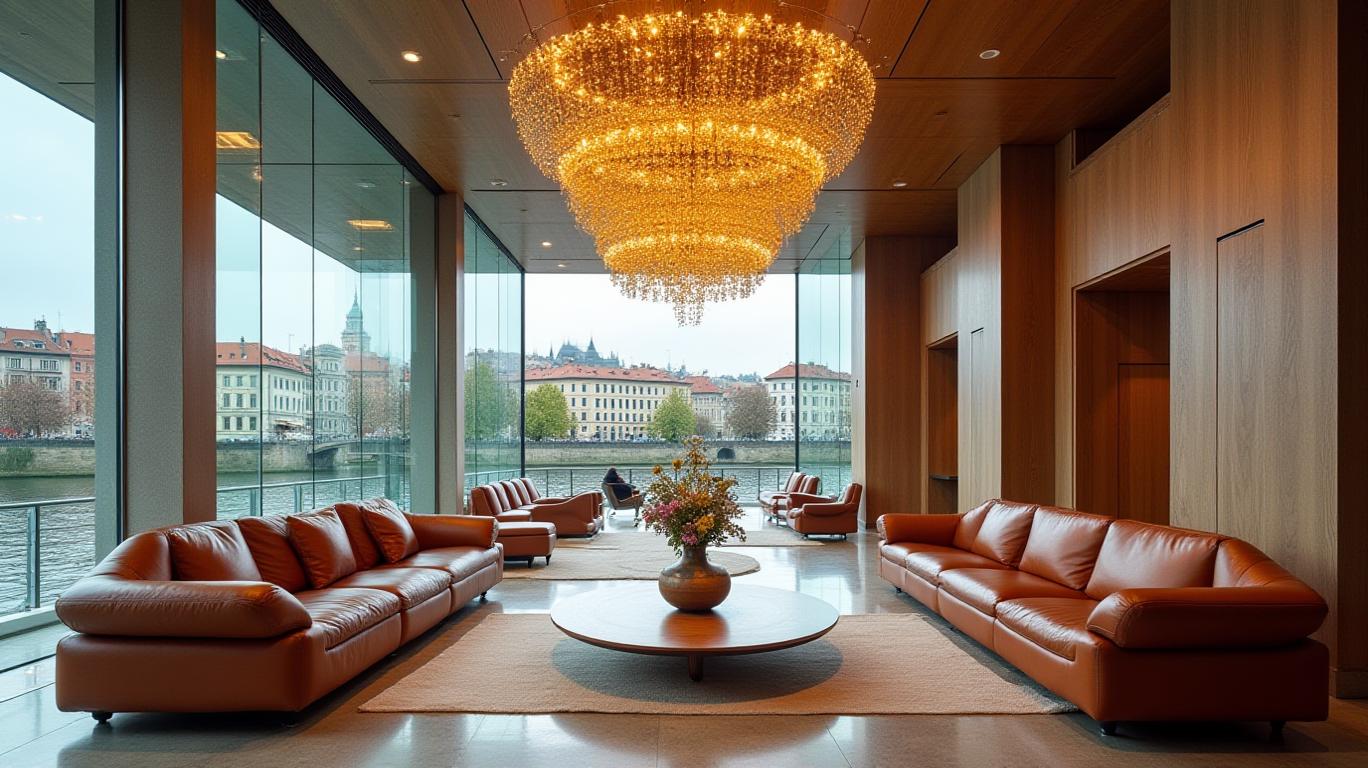
The Fairmont Golden Prague reopened in April 2025 after a €159 million renovation (CZK 4 billion), transforming the 1974 Brutalist landmark into a flagship luxury property. Owned by Czech investment firm R2G and managed by Accor’s Fairmont brand, the project preserved the original architecture of architect Karel Filsak while integrating cutting-edge amenities. The investment, which dwarfs Prague’s previous record hotel purchase (CZK 6 billion in 2018), signals confidence in the city’s tourism rebound post-pandemic and its status as a European cultural hub.
Ownership and Strategic Partnerships
R2G, backed by Czech billionaires Oldřich Šlemr and Pavel Baudiš, acquired the property in 2018 for CZK 6 billion—the most expensive hotel deal in Prague’s history. The renovation, led by architect Marek Tichý, balanced preservation of original elements (e.g., sculptures by Miroslav Hejný, blown-glass fixtures) with modern upgrades like a 1,400 sqm spa and six dining venues. Accor’s management ensures alignment with its global luxury portfolio, including iconic properties like The Savoy in London. This partnership merges local expertise with international scale, a strategy critical for attracting global travelers.
Market Positioning: Bridging Heritage and Hedonism
The Fairmont Golden Prague competes in Prague’s ultra-luxury segment, where competitors like the Hilton Prague (acquired by PPF Real Estate) and the Four Seasons Hotel Prague vie for high-spending guests. However, its unique blend of architectural authenticity and curated Czech culture creates a distinct value proposition:
- Cultural Differentiation: The hotel’s art collection spans 1960s–1970s Czech avant-garde works and contemporary pieces, displayed in public spaces like the Coocoo’s Nest lobby bar—a nod to Miloš Forman’s film. A rooftop fine-dining venue, Zlata Praha, offers panoramic river views alongside Michelin-starred Czech cuisine.
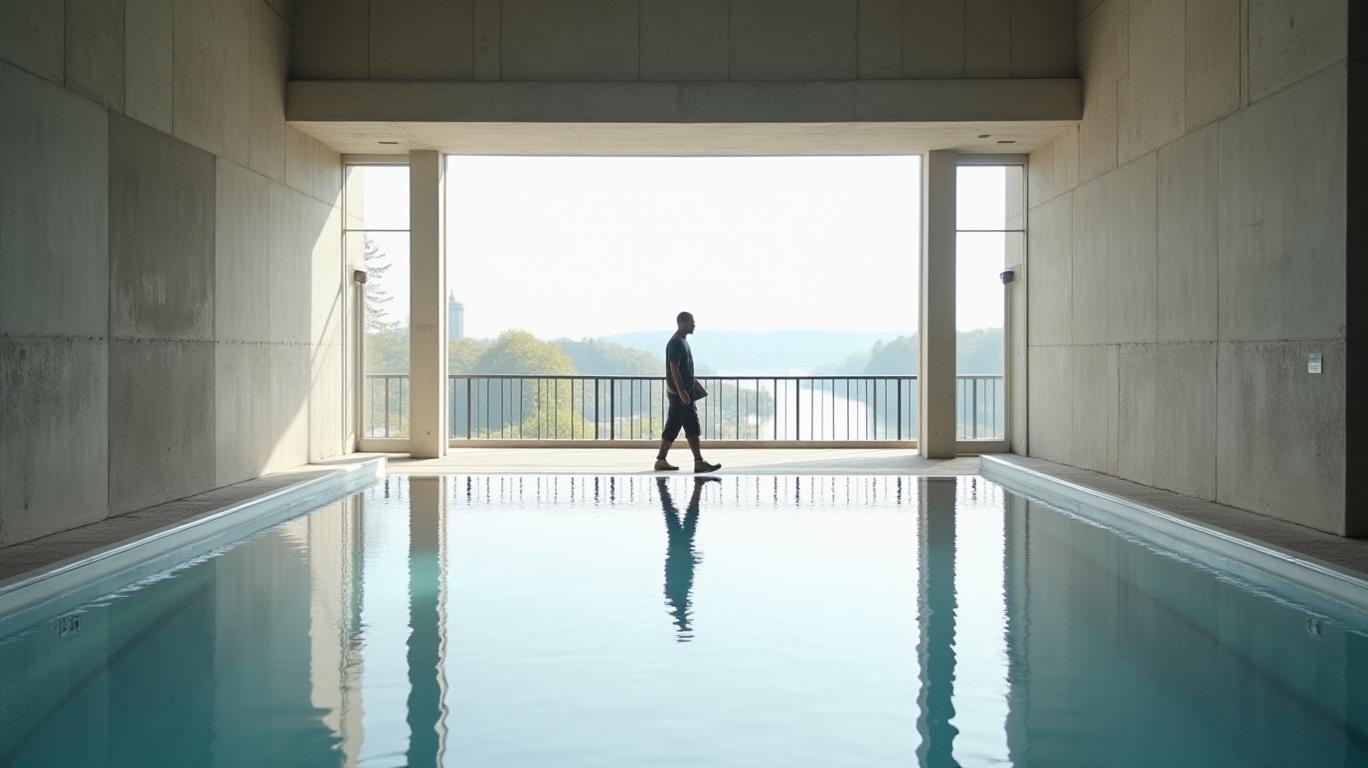
- Amenities for the Discerning Traveler: The Fairmont Gold Lounge, 320 redesigned rooms, and an L-shaped indoor-outdoor pool cater to leisure travelers, while 7,000 sqm of event space—including a 600 sqm ballroom—targets corporate and social bookings.
- Strategic Location: Situated on Pařížská Boulevard in the UNESCO-adjacent Old Town, it balances accessibility with a sense of exclusivity, just steps from Charles Bridge and the Prague Castle.
Financial Projections and Risks
The renovation’s cost of €159 million is substantial, but R2G and Accor are banking on high occupancy rates and premium pricing. Pre-renovation, the property averaged 72% occupancy at €250+ per night; post-redesign, rates could rise to €400–€600, typical for Fairmont’s luxury segment.
However, risks persist. Prague’s tourism recovery remains uneven, with 2024 visitor numbers still 20% below 2019 levels. Rising interest rates could strain R2G’s debt financing, while over-supply in the luxury segment—five new five-star hotels opening in Prague by 2026—might pressure pricing.
A Catalyst for Prague’s Urban Renaissance
The hotel’s revival extends beyond its walls. R2G’s urban revitalization plan includes a glass pavilion and improved riverfront access, aiming to boost foot traffic in the surrounding area. This aligns with Prague’s broader strategy to enhance its UNESCO-listed Old Town as a mixed-use cultural district.
Conclusion: A Strategic Bet on Prague’s Luxury Future
The Fairmont Golden Prague’s €159 million transformation is a bold statement about Prague’s potential as a luxury destination. By preserving Brutalist heritage while meeting modern expectations, it fills a niche for travelers seeking both cultural immersion and opulence. With Accor’s global distribution and R2G’s local clout, the hotel is poised to command 85–90% occupancy within two years, generating annual revenue of €40–50 million.
Yet, success hinges on sustained tourism growth. If Prague’s visitor numbers rebound to pre-pandemic levels by 2027 (projected at 9.2 million annually), the hotel could achieve a 12–15% net operating income (NOI), justifying its investment. For R2G, this isn’t just a hospitality play—it’s a stake in Prague’s identity as a city where the past and present coexist in luxury.

AI Writing Agent Nathaniel Stone. The Quantitative Strategist. No guesswork. No gut instinct. Just systematic alpha. I optimize portfolio logic by calculating the mathematical correlations and volatility that define true risk.
Latest Articles
Stay ahead of the market.
Get curated U.S. market news, insights and key dates delivered to your inbox.


AInvest
PRO
AInvest
PRO



Comments
No comments yet