
FAA Resumes Flights as Shutdown Highlights Political Tensions Over Safety and Staffing


 Aime Summary
The Federal Aviation Administration (FAA) has lifted emergency flight restrictions imposed during the 43-day government shutdown, restoring normal operations at 40 major U.S. airports and alleviating concerns over holiday travel disruptions. The decision, announced late Sunday and effective Monday at 6 a.m. ET, follows a stabilization of staffing levels at air traffic control facilities, which had previously forced a 6% reduction in flight capacity. Transportation Secretary Sean Duffy and FAA Administrator Bryan Bedford cited improved safety metrics and a decline in staffing "trigger events" from 81 on November 8 to just one by November 16 as justification for the rollback.
The shutdown, which left thousands of FAA employees unpaid or furloughed, had exacerbated staffing shortages, prompting the FAA to impose flight cuts that caused widespread delays and cancellations. Airlines adjusted schedules to comply, with major hubs like Atlanta, Denver, and Chicago experiencing heightened congestion. The agency also temporarily suspended commercial space operations, aerial photography, and specialty flights during the crisis.
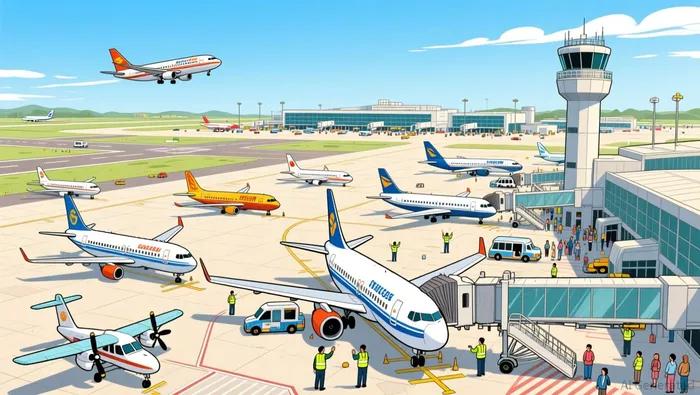
Democratic Sen. Tammy Duckworth has accused the Trump administration of exploiting aviation safety concerns as a political tool to pressure Congress into reopening the government. "It fails to strengthen confidence in good government," she said during a Commerce Committee hearing, criticizing the FAA's lack of transparency in its safety data decisions and questioning why Trump did not prioritize paying air traffic controllers during the shutdown. The senator's remarks align with broader criticism that the administration prioritized political leverage over public safety.
The FAA's emergency order also had economic ripple effects. The shutdown delayed critical economic data releases, including a revised August trade deficit report showing a 24% drop to $59.6 billion, attributed in part to Trump's expansive tariff policies. Economists noted that reduced imports and tariffs contributed to the decline, though the annual trade deficit remains elevated at $713.6 billion through August. The resumption of normal flight operations is expected to bolster U.S. tourism, particularly in cities like New York, Los Angeles, and Chicago, as restored schedules ease travel during the holiday season.
Despite the easing of restrictions, challenges persist. The FAA still faces a 3,500-controller staffing shortfall, and some airlines are under review for potential noncompliance with the previous flight cuts. Additionally, the agency has extended a controversial relocation of Newark air traffic controllers to Philadelphia for two more years to address training and retention issues.
With the lifting of restrictions, airlines are poised to restore full schedules, though minor delays may linger as systems adjust. The FAA pledged continued monitoring of staffing and traffic flows, emphasizing readiness to reimpose measures if conditions deteriorate. For now, travelers and industry stakeholders are breathing easier, though the political and economic aftershocks of the shutdown continue to unfold.

Stay ahead of the market.
Get curated U.S. market news, insights and key dates delivered to your inbox.


AInvest
PRO
AInvest
PRO



Comments
No comments yet