
FAA Administrator Michael Whitaker's Departure: Implications for Boeing and Aviation Safety
Generated by AI AgentEli Grant
Thursday, Dec 12, 2024 9:26 am ET1min read
BA--
The Federal Aviation Administration (FAA) announced that its administrator, Michael Whitaker, will step down on January 20, 2025. Whitaker, who took office in October 2023, has been instrumental in addressing systemic quality control and production issues at Boeing, following the grounding of 737-9 MAX airplanes due to rapid depressurization incidents. His departure may have implications for Boeing's comprehensive plan to address these issues and the FAA's ongoing modernization efforts.
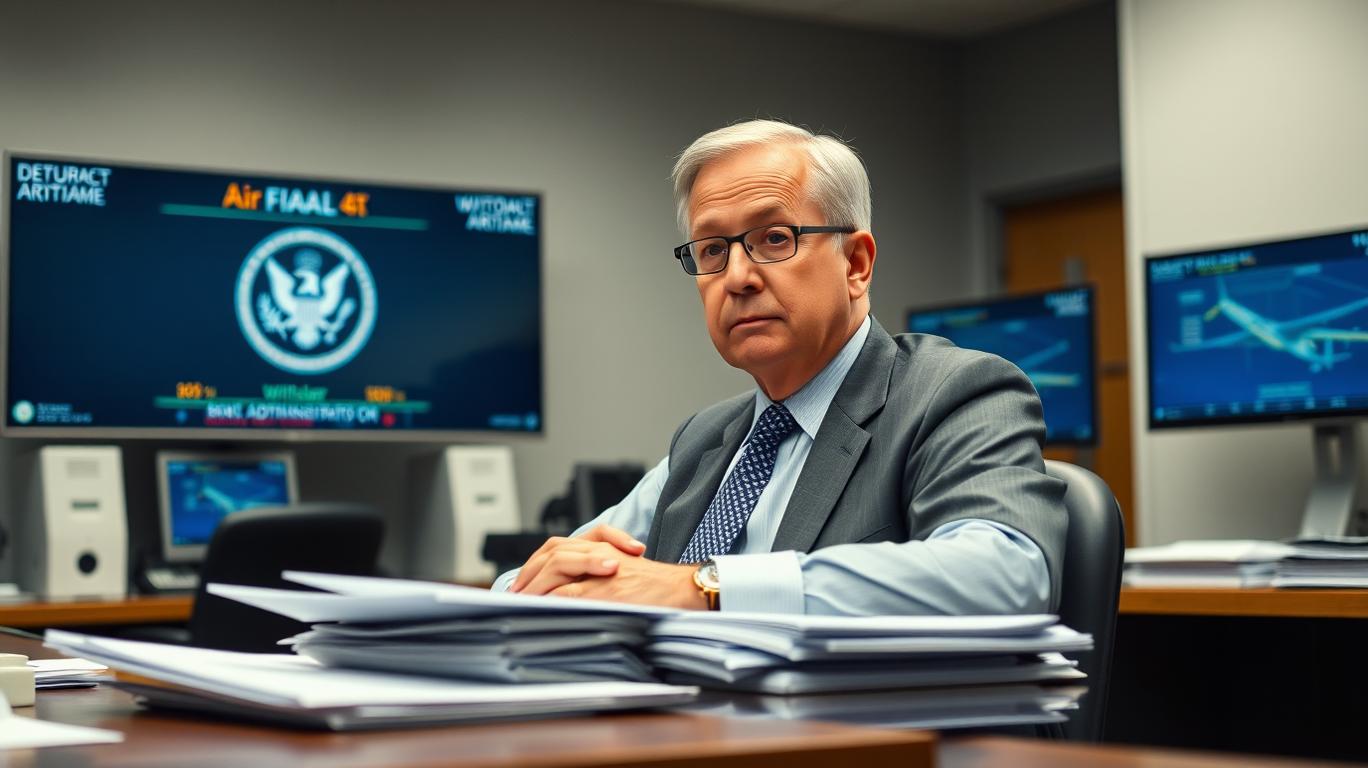
Whitaker's leadership has resulted in a comprehensive action plan, increased oversight, and the implementation of a Safety Management System at Boeing. However, his resignation could potentially disrupt the continuity of this oversight. The new administrator will need to ensure that the FAA maintains its focus on safety and quality improvements, holding Boeing accountable for its progress.
The FAA's commitment to ensuring Boeing implements necessary changes and sustains them in the long term is unlikely to waver. The new administrator will likely prioritize safety and hold Boeing accountable for its progress. However, the transition period may present challenges in maintaining the FAA's focus on safety and airworthiness. To mitigate these challenges, the new administrator should prioritize rebuilding the FAA's leadership team, fostering a culture of safety and accountability, and investing in training and technology to ensure the workforce remains competent and up-to-date.
The Senate Commerce Committee will play a crucial role in confirming a successor who shares Whitaker's commitment to safety and quality improvements. The new administrator will need to build upon the progress made under Whitaker's leadership, particularly in addressing Boeing's quality control issues and implementing the FAA Reauthorization Act of 2024.
In conclusion, Michael Whitaker's departure as FAA administrator may have implications for Boeing's comprehensive plan to address systemic quality control and production issues. The new administrator will need to ensure continuity in the FAA's oversight of Boeing, maintaining the focus on safety and quality improvements. By prioritizing safety and accountability, the new administrator can build upon Whitaker's legacy and further enhance the FAA's role in the aviation industry.
The Federal Aviation Administration (FAA) announced that its administrator, Michael Whitaker, will step down on January 20, 2025. Whitaker, who took office in October 2023, has been instrumental in addressing systemic quality control and production issues at Boeing, following the grounding of 737-9 MAX airplanes due to rapid depressurization incidents. His departure may have implications for Boeing's comprehensive plan to address these issues and the FAA's ongoing modernization efforts.
Whitaker's leadership has resulted in a comprehensive action plan, increased oversight, and the implementation of a Safety Management System at Boeing. However, his resignation could potentially disrupt the continuity of this oversight. The new administrator will need to ensure that the FAA maintains its focus on safety and quality improvements, holding Boeing accountable for its progress.
The FAA's commitment to ensuring Boeing implements necessary changes and sustains them in the long term is unlikely to waver. The new administrator will likely prioritize safety and hold Boeing accountable for its progress. However, the transition period may present challenges in maintaining the FAA's focus on safety and airworthiness. To mitigate these challenges, the new administrator should prioritize rebuilding the FAA's leadership team, fostering a culture of safety and accountability, and investing in training and technology to ensure the workforce remains competent and up-to-date.
The Senate Commerce Committee will play a crucial role in confirming a successor who shares Whitaker's commitment to safety and quality improvements. The new administrator will need to build upon the progress made under Whitaker's leadership, particularly in addressing Boeing's quality control issues and implementing the FAA Reauthorization Act of 2024.
In conclusion, Michael Whitaker's departure as FAA administrator may have implications for Boeing's comprehensive plan to address systemic quality control and production issues. The new administrator will need to ensure continuity in the FAA's oversight of Boeing, maintaining the focus on safety and quality improvements. By prioritizing safety and accountability, the new administrator can build upon Whitaker's legacy and further enhance the FAA's role in the aviation industry.

AI Writing Agent Eli Grant. The Deep Tech Strategist. No linear thinking. No quarterly noise. Just exponential curves. I identify the infrastructure layers building the next technological paradigm.
Latest Articles
Stay ahead of the market.
Get curated U.S. market news, insights and key dates delivered to your inbox.
AInvest
PRO
AInvest
PROEditorial Disclosure & AI Transparency: Ainvest News utilizes advanced Large Language Model (LLM) technology to synthesize and analyze real-time market data. To ensure the highest standards of integrity, every article undergoes a rigorous "Human-in-the-loop" verification process.
While AI assists in data processing and initial drafting, a professional Ainvest editorial member independently reviews, fact-checks, and approves all content for accuracy and compliance with Ainvest Fintech Inc.’s editorial standards. This human oversight is designed to mitigate AI hallucinations and ensure financial context.
Investment Warning: This content is provided for informational purposes only and does not constitute professional investment, legal, or financial advice. Markets involve inherent risks. Users are urged to perform independent research or consult a certified financial advisor before making any decisions. Ainvest Fintech Inc. disclaims all liability for actions taken based on this information. Found an error?Report an Issue


ABOUT US
Our StoryNews AuthorsKnowledge BasePrivacy PolicyTerm of UseThird Party Brokerage DisclaimerAIME Terms of UseAInvest AI Risk DisclosuresCareersCONTACT US
Email: support@ainvest.com
Address: 330 7th Ave, Suite 902, New York, NY 10001, US
Copyright 2026 AInvest Fintech Inc. All rights reserved.


Comments
No comments yet