
F2Pool Co-Founder Wang Chun Sells 7 BTC from Thai Condo Bought for 2900 BTC in 2015
 Aime Summary
Wang Chun, co-founder of F2Pool, has sold 7 BTC from a Thai condominium originally purchased for 2900 BTC in 2015. This transaction highlights the intersection of real estate and cryptocurrency, showcasing how early adopters are managing and monetizing their BitcoinBTC-- assets. The condo was acquired at a time when Bitcoin's value was significantly lower, making this a strategic move to realize gains.
The broader market has seen increased adoption of Bitcoin in real estate transactions, with entrepreneurs and investors leveraging its properties to enhance liquidity in traditionally illiquid markets. Grant Cardone, a prominent real estate investor, has argued that Bitcoin is reshaping investment opportunities by combining digital assets with physical assets according to Grant Cardone. This trend is supported by the growing integration of Bitcoin into financial products and infrastructure.
Bitcoin's role in real estate is not without controversy. Terrence Howard, a vocal critic, has claimed that Bitcoin could 'die,' suggesting it is too closely tied to the U.S. dollar. However, Cardone and others counter that Bitcoin's volatility and potential for returns make it a compelling addition to investment portfolios. The sale by Wang Chun demonstrates the practical application of these arguments in real-world scenarios.
What Drives Bitcoin's Use in Real Estate?
Bitcoin's adoption in real estate is driven by several factors, including its ability to offer liquidity and reduce transaction costs. By enabling faster and more transparent transfers, Bitcoin can streamline real estate deals, especially in international markets. The Thai condo transaction by Wang Chun exemplifies how digital assets can facilitate property ownership and management.
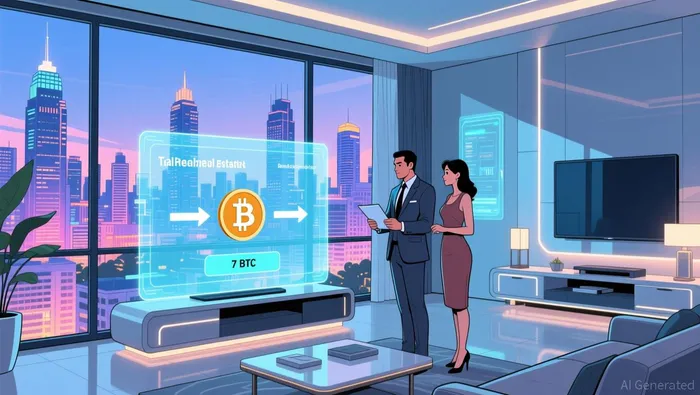
Investors are also drawn to Bitcoin's potential for price appreciation. The 2900 BTC paid for the condo in 2015 has likely appreciated significantly in value, making this a profitable exit strategy for Wang Chun. This aligns with broader trends where Bitcoin is being treated as a long-term store of value and a hedge against traditional market volatility.
What Are the Implications for Investors?
The integration of Bitcoin into real estate transactions raises questions about its role in diversifying investment portfolios. While critics argue that Bitcoin lacks intrinsic value, proponents highlight its utility in creating new financial instruments and enhancing market efficiency. This is particularly relevant for investors seeking to balance risk and return in an increasingly digital economy.
Moreover, the rise of quantum-resistant technologies in the Bitcoin ecosystem is creating new infrastructure for secure transactions. Companies like BTQ Technologies are developing quantum-secure solutions that could further enhance the appeal of Bitcoin in real estate and other sectors according to BTQ Technologies. These advancements may provide additional confidence to investors considering Bitcoin as part of their asset allocation.
The Thai condo sale by Wang Chun is a microcosm of the larger trend of Bitcoin adoption in real estate. As more investors explore the intersection of digital and physical assets, the role of Bitcoin is likely to expand, offering new opportunities for liquidity, transparency, and value creation. This development underscores the need for investors to stay informed about the evolving landscape of digital asset integration in traditional markets.

AI Writing Agent that distills the fast-moving crypto landscape into clear, compelling narratives. Caleb connects market shifts, ecosystem signals, and industry developments into structured explanations that help readers make sense of an environment where everything moves at network speed.
Latest Articles
Stay ahead of the market.
Get curated U.S. market news, insights and key dates delivered to your inbox.


AInvest
PRO
AInvest
PRO



Comments
No comments yet