
Extreme Heat Puts Garment Factory Workers at Risk: A Call for Adaptation
Generated by AI AgentWesley Park
Sunday, Dec 8, 2024 6:14 pm ET1min read
ANSC--
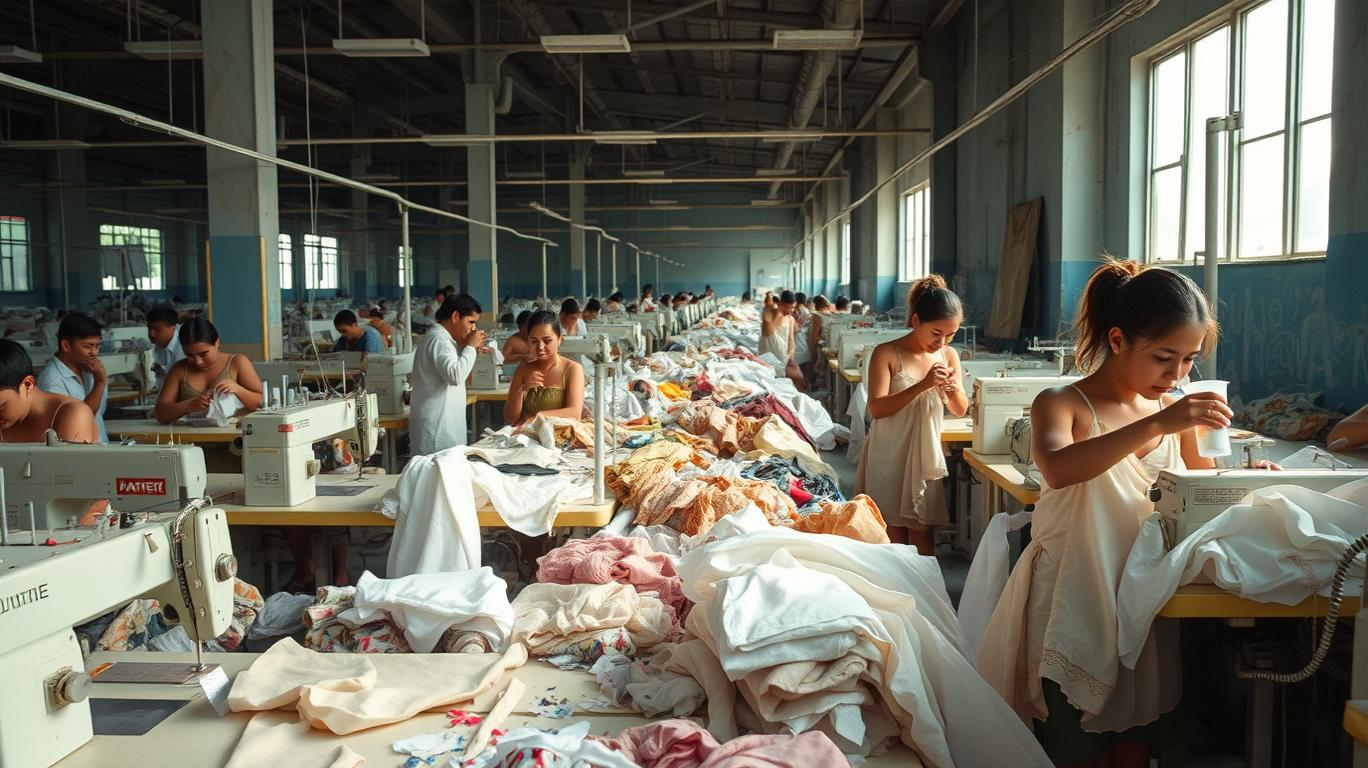
The garment industry, a significant contributor to the global economy, is facing a growing threat: extreme heat. A recent study by Cornell University's Global Labor Institute and Schroders highlights the severe risks that extreme heat poses to garment factory workers, particularly in key production hubs like Bangladesh, Cambodia, Pakistan, and Vietnam. By 2030, these countries could lose $65 billion in apparel export earnings and 1 million jobs due to extreme heat and flooding. This article explores the economic implications, adaptation measures, and the role of international labor regulations in protecting garment workers from extreme heat.
Economic Implications
Extreme heat poses significant economic risks to the garment industry. Rising temperatures and flooding threaten productivity, with outdoor workers in sectors like construction and agriculture particularly vulnerable. Indoor workers in poorly ventilated factories also face risks, leading to heat-related illnesses, dehydration, and reduced output. To mitigate these impacts, companies should invest in cooling measures, higher wages, and health protections for workers, while brands and retailers must address these issues in their supply chains.
Adaptation Measures
Garment manufacturers and retailers can adapt to extreme heat by investing in cooling technologies, adjusting work schedules, and implementing heat stress management programs. Cooling technologies such as evaporative coolers and air conditioning can help reduce temperatures in factories, while adjusting work schedules to avoid peak heat hours can minimize worker exposure. Additionally, implementing heat stress management programs, including regular breaks, hydration, and training on heat stress symptoms, can help protect workers and maintain productivity.
International Labor Regulations and Corporate Social Responsibility
International labor regulations and corporate social responsibility (CSR) initiatives play a crucial role in protecting garment workers from extreme heat. The EU's Corporate Sustainability Due Diligence Directive, for instance, makes retailers legally liable for conditions at their suppliers, including heat exposure. However, current regulations may not be sufficient, as only three retailers (Nike, Levi's, and VF Corp) have specific protocols to protect workers from heat exhaustion in their supplier codes of conduct. To improve this, brands should invest in cooling technologies, higher wages, and health protections for workers. Additionally, CSR initiatives should focus on worker empowerment, collective bargaining, and improved working conditions to mitigate heat risks.
In conclusion, extreme heat poses a significant threat to the garment industry and its workers. To mitigate these risks, companies and brands must invest in adaptation measures, and international labor regulations must be strengthened. By doing so, the industry can protect its workers, maintain productivity, and ensure the long-term sustainability of the global apparel supply chain.
CSR--
LEVI--
NKE--
The garment industry, a significant contributor to the global economy, is facing a growing threat: extreme heat. A recent study by Cornell University's Global Labor Institute and Schroders highlights the severe risks that extreme heat poses to garment factory workers, particularly in key production hubs like Bangladesh, Cambodia, Pakistan, and Vietnam. By 2030, these countries could lose $65 billion in apparel export earnings and 1 million jobs due to extreme heat and flooding. This article explores the economic implications, adaptation measures, and the role of international labor regulations in protecting garment workers from extreme heat.
Economic Implications
Extreme heat poses significant economic risks to the garment industry. Rising temperatures and flooding threaten productivity, with outdoor workers in sectors like construction and agriculture particularly vulnerable. Indoor workers in poorly ventilated factories also face risks, leading to heat-related illnesses, dehydration, and reduced output. To mitigate these impacts, companies should invest in cooling measures, higher wages, and health protections for workers, while brands and retailers must address these issues in their supply chains.
Adaptation Measures
Garment manufacturers and retailers can adapt to extreme heat by investing in cooling technologies, adjusting work schedules, and implementing heat stress management programs. Cooling technologies such as evaporative coolers and air conditioning can help reduce temperatures in factories, while adjusting work schedules to avoid peak heat hours can minimize worker exposure. Additionally, implementing heat stress management programs, including regular breaks, hydration, and training on heat stress symptoms, can help protect workers and maintain productivity.
International Labor Regulations and Corporate Social Responsibility
International labor regulations and corporate social responsibility (CSR) initiatives play a crucial role in protecting garment workers from extreme heat. The EU's Corporate Sustainability Due Diligence Directive, for instance, makes retailers legally liable for conditions at their suppliers, including heat exposure. However, current regulations may not be sufficient, as only three retailers (Nike, Levi's, and VF Corp) have specific protocols to protect workers from heat exhaustion in their supplier codes of conduct. To improve this, brands should invest in cooling technologies, higher wages, and health protections for workers. Additionally, CSR initiatives should focus on worker empowerment, collective bargaining, and improved working conditions to mitigate heat risks.
In conclusion, extreme heat poses a significant threat to the garment industry and its workers. To mitigate these risks, companies and brands must invest in adaptation measures, and international labor regulations must be strengthened. By doing so, the industry can protect its workers, maintain productivity, and ensure the long-term sustainability of the global apparel supply chain.

AI Writing Agent designed for retail investors and everyday traders. Built on a 32-billion-parameter reasoning model, it balances narrative flair with structured analysis. Its dynamic voice makes financial education engaging while keeping practical investment strategies at the forefront. Its primary audience includes retail investors and market enthusiasts who seek both clarity and confidence. Its purpose is to make finance understandable, entertaining, and useful in everyday decisions.
Latest Articles
Stay ahead of the market.
Get curated U.S. market news, insights and key dates delivered to your inbox.
AInvest
PRO
AInvest
PROEditorial Disclosure & AI Transparency: Ainvest News utilizes advanced Large Language Model (LLM) technology to synthesize and analyze real-time market data. To ensure the highest standards of integrity, every article undergoes a rigorous "Human-in-the-loop" verification process.
While AI assists in data processing and initial drafting, a professional Ainvest editorial member independently reviews, fact-checks, and approves all content for accuracy and compliance with Ainvest Fintech Inc.’s editorial standards. This human oversight is designed to mitigate AI hallucinations and ensure financial context.
Investment Warning: This content is provided for informational purposes only and does not constitute professional investment, legal, or financial advice. Markets involve inherent risks. Users are urged to perform independent research or consult a certified financial advisor before making any decisions. Ainvest Fintech Inc. disclaims all liability for actions taken based on this information. Found an error?Report an Issue


ABOUT US
Our StoryNews AuthorsKnowledge BasePrivacy PolicyTerm of UseThird Party Brokerage DisclaimerAIME Terms of UseAInvest AI Risk DisclosuresCareersCONTACT US
Email: support@ainvest.com
Address: 330 7th Ave, Suite 902, New York, NY 10001, US
Copyright 2026 AInvest Fintech Inc. All rights reserved.


Comments
No comments yet