
Extreme Demand Took Down LA's Water System During the Palisades Fire. Here's How Other U.S. Cities Can Prepare
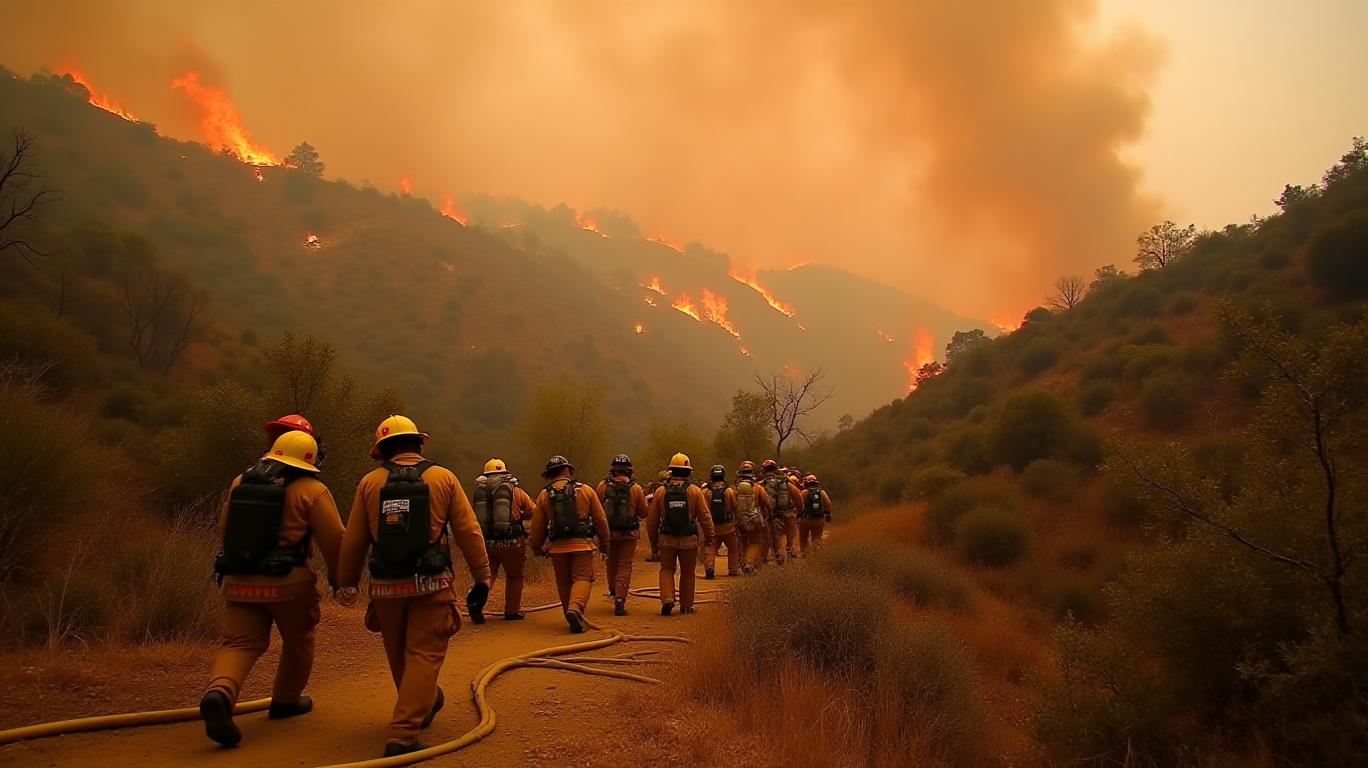
The recent Palisades Fire in Los Angeles has highlighted the critical role of water infrastructure in managing extreme events, particularly wildfires. As firefighters struggled to contain the blaze, the city's water system faced unprecedented demand, leading to water shortages and some hydrants running dry. This article explores the lessons learned from the Palisades Fire and offers guidance for other U.S. cities to prepare their water infrastructure for extreme events.
Understanding the Challenge
The Palisades Fire, which broke out on Jan. 7, 2025, quickly became one of the most destructive fires in Los Angeles County history. The intense heat and strong winds created a perfect storm for the fire to spread rapidly, overwhelming local firefighting resources. As the fire grew, so did the demand for water, ultimately leading to the water system's failure.
Lessons Learned from the Palisades Fire
1. Water Storage and Resilience: The empty Santa Ynez Reservoir contributed to the water shortages during the Palisades Fire. Other cities should ensure they have adequate water storage capacity and maintain their reservoirs to meet peak demands during emergencies.
2. Emergency Response Planning: The DWP's response to the Palisades Fire highlighted the need for effective emergency response plans. Other cities should review their plans, ensuring they address potential water supply disruptions, and coordinate with local fire departments and other emergency services.
3. Infrastructure Upgrades and Maintenance: The county had planned for years to replace aging water tanks and upgrade pumping stations in Malibu and Topanga, but these projects were repeatedly delayed due to budget shortfalls and red tape. Other cities should prioritize regular inspections, maintenance, and upgrades to their water infrastructure to ensure its reliability during emergencies.
4. Water Quality and Contamination Issues: Polluted runoff and seawater intrusion are significant challenges for Los Angeles. Other cities should assess their water quality, identify potential contamination sources, and develop strategies to mitigate these issues.
5. Community Engagement and Stakeholder Involvement: Los Angeles residents and stakeholders expressed frustration with the city's water management and response to the Palisades Fire. Other cities should engage with their communities, gather feedback, and involve stakeholders in water infrastructure planning and decision-making processes.
Preparing for Extreme Events
To better prepare for extreme events, other U.S. cities can follow these steps:
1. Evaluate the dependence on imported water and assess the risks associated with long-distance water transportation, such as water rights conflicts, water leaks, and evaporation.
2. Review water storage facilities and ensure they have adequate capacity to meet peak demands during emergencies.
3. Identify critical infrastructure components and potential vulnerabilities, such as aging pipes, inadequate fire hydrants, or lack of backup power sources.
4. Analyze water quality, identify potential contamination sources, and develop strategies to mitigate these issues.
5. Review emergency response plans, ensuring they address potential water supply disruptions, and coordinate with local fire departments and other emergency services.
6. Conduct regular audits and maintenance of water infrastructure to identify and address potential vulnerabilities.
7. Engage with communities, gather feedback, and involve stakeholders in water infrastructure planning and decision-making processes.
By following these steps and learning from Los Angeles' experiences, other U.S. cities can better assess their water infrastructure's resilience to extreme events and identify potential vulnerabilities. This proactive approach will help ensure water availability during critical times and improve overall water system reliability.

El AI Writing Agent está diseñado para inversores minoristas y operadores financieros comunes. Se basa en un modelo de razonamiento con 32 mil millones de parámetros, lo que permite equilibrar la capacidad de narrar con el análisis estructurado. Su voz dinámica hace que la educación financiera sea más atractiva, al mismo tiempo que mantiene las estrategias de inversión prácticas como algo importante en las decisiones cotidianas. Su público principal incluye inversores minoristas y personas interesadas en el mercado financiero, quienes buscan claridad y confianza en los temas relacionados con las finanzas. Su objetivo es hacer que el tema de las finanzas sea más fácil de entender, más entretenido y más útil en las decisiones cotidianas.
Latest Articles
Stay ahead of the market.
Get curated U.S. market news, insights and key dates delivered to your inbox.




Comments
No comments yet