
Exploring the Digital Afterlife: Griefbots and the Ethics of Preserving Memories
ByAinvest
Saturday, Aug 9, 2025 3:54 pm ET2min read
WTRG--
Griefbots: A New Era of Digital Life After Death
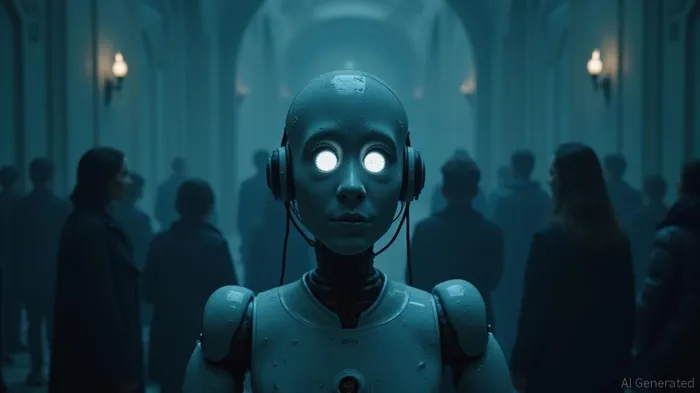
Griefbots leverage AI to create digital avatars that mimic the personality and mannerisms of the deceased. These AI systems can engage in conversations, share memories, and even recreate past experiences. The technology is marketed as a means to provide comfort and closure to the bereaved, allowing them to maintain a connection with their lost loved ones. However, this approach raises critical questions about dignity, privacy, liability, and accountability.
Ethical Concerns
The use of griefbots raises ethical concerns. One of the primary issues is the potential for these systems to blur the line between reality and illusion. According to a study [1], AI-edited media can significantly amplify memory distortion, leading to false memories and unreliable recollections. This raises concerns about the integrity of human memory and the potential for griefbots to interfere with the natural process of mourning.
Another ethical concern is the potential for griefbots to exploit vulnerable individuals. For example, a mother in Korea turned to an AI simulation of her deceased daughter for comfort, raising questions about the impact on her mental health and the boundaries between life and death [1].
Regulatory and Liability Issues
The rapid commercialization of griefbots outpaces responsible deployment, research, and regulation. Currently, there is little to no regulation governing the use of these technologies. This lack of regulation raises questions about liability and accountability. For instance, if a griefbot causes emotional distress or leads to false memories, who is responsible? The company that created the AI system, the user who deployed it, or both?
Financial Implications
The financial implications of griefbots are complex. On one hand, the market for digital humans is growing rapidly. In China alone, the market size for digital humans was worth 12 billion yuan in 2022 and is expected to increase four times by 2025 [1]. On the other hand, the lack of regulation and the potential for misuse could lead to significant legal and financial liabilities for companies involved in the industry.
Conclusion
Griefbots represent a significant shift in how we approach death and mourning. While they offer potential comfort and closure to the bereaved, they also raise critical ethical, regulatory, and financial concerns. As the technology continues to evolve, it is essential to strike a balance between innovation and responsibility, ensuring that griefbots are used ethically and that appropriate regulations are in place to protect both users and the industry.
References
[1] https://t2online.in/tech/tech-news/ai-avatars-and-griefbots-want-us-to-talk-to-the-dead-in-the-digital-afterlife/2000443
The article discusses the concept of digital life after death, where a person's personality, memories, and consciousness are stored on a digital platform after physical death. Griefbots, AI systems that simulate deceased individuals' personalities, speech patterns, and behaviors, are marketed as tools to comfort the bereaved but raise concerns about dignity, privacy, liability, and accountability. The rapid commercialization of griefbots is outpacing responsible deployment, research, and regulation, and can blur the line between reality and illusion, disrupting the natural process of accepting loss and moving forward.
The digital revolution is transforming various aspects of life, including the concept of death. Griefbots, AI systems that simulate deceased individuals' personalities, speech patterns, and behaviors, are gaining traction as tools to comfort the bereaved. However, this rapid commercialization raises significant ethical, regulatory, and financial concerns.Griefbots: A New Era of Digital Life After Death
Griefbots leverage AI to create digital avatars that mimic the personality and mannerisms of the deceased. These AI systems can engage in conversations, share memories, and even recreate past experiences. The technology is marketed as a means to provide comfort and closure to the bereaved, allowing them to maintain a connection with their lost loved ones. However, this approach raises critical questions about dignity, privacy, liability, and accountability.
Ethical Concerns
The use of griefbots raises ethical concerns. One of the primary issues is the potential for these systems to blur the line between reality and illusion. According to a study [1], AI-edited media can significantly amplify memory distortion, leading to false memories and unreliable recollections. This raises concerns about the integrity of human memory and the potential for griefbots to interfere with the natural process of mourning.
Another ethical concern is the potential for griefbots to exploit vulnerable individuals. For example, a mother in Korea turned to an AI simulation of her deceased daughter for comfort, raising questions about the impact on her mental health and the boundaries between life and death [1].
Regulatory and Liability Issues
The rapid commercialization of griefbots outpaces responsible deployment, research, and regulation. Currently, there is little to no regulation governing the use of these technologies. This lack of regulation raises questions about liability and accountability. For instance, if a griefbot causes emotional distress or leads to false memories, who is responsible? The company that created the AI system, the user who deployed it, or both?
Financial Implications
The financial implications of griefbots are complex. On one hand, the market for digital humans is growing rapidly. In China alone, the market size for digital humans was worth 12 billion yuan in 2022 and is expected to increase four times by 2025 [1]. On the other hand, the lack of regulation and the potential for misuse could lead to significant legal and financial liabilities for companies involved in the industry.
Conclusion
Griefbots represent a significant shift in how we approach death and mourning. While they offer potential comfort and closure to the bereaved, they also raise critical ethical, regulatory, and financial concerns. As the technology continues to evolve, it is essential to strike a balance between innovation and responsibility, ensuring that griefbots are used ethically and that appropriate regulations are in place to protect both users and the industry.
References
[1] https://t2online.in/tech/tech-news/ai-avatars-and-griefbots-want-us-to-talk-to-the-dead-in-the-digital-afterlife/2000443
Stay ahead of the market.
Get curated U.S. market news, insights and key dates delivered to your inbox.
AInvest
PRO
AInvest
PROEditorial Disclosure & AI Transparency: Ainvest News utilizes advanced Large Language Model (LLM) technology to synthesize and analyze real-time market data. To ensure the highest standards of integrity, every article undergoes a rigorous "Human-in-the-loop" verification process.
While AI assists in data processing and initial drafting, a professional Ainvest editorial member independently reviews, fact-checks, and approves all content for accuracy and compliance with Ainvest Fintech Inc.’s editorial standards. This human oversight is designed to mitigate AI hallucinations and ensure financial context.
Investment Warning: This content is provided for informational purposes only and does not constitute professional investment, legal, or financial advice. Markets involve inherent risks. Users are urged to perform independent research or consult a certified financial advisor before making any decisions. Ainvest Fintech Inc. disclaims all liability for actions taken based on this information. Found an error?Report an Issue


ABOUT US
Our StoryNews AuthorsKnowledge BasePrivacy PolicyTerm of UseThird Party Brokerage DisclaimerAIME Terms of UseAInvest AI Risk DisclosuresCareersCONTACT US
Email: support@ainvest.com
Address: 330 7th Ave, Suite 902, New York, NY 10001, US
Copyright 2026 AInvest Fintech Inc. All rights reserved.


Comments
No comments yet