
U.S. Expands Steel, Aluminum Tariffs to 400 New Categories at 50%
 Aime Summary
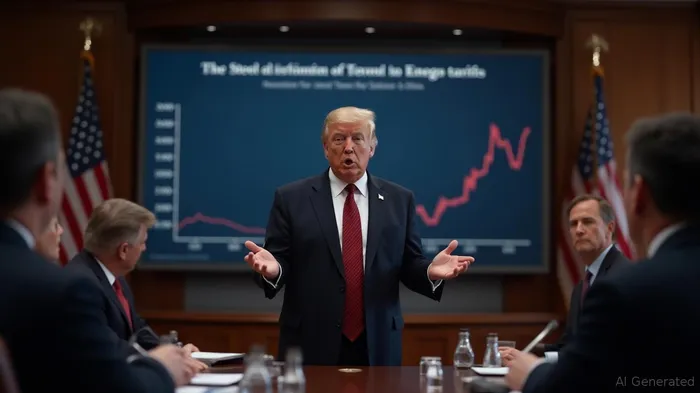
The United States has expanded the scope of tariffs on steel and aluminum, adding over 400 new product categories with a tax rate of 50%. This move significantly broadens the impact of tariffs on these key commodities within the U.S. trade agenda. The new tariffs, which took effect on Monday, extend the range of products subject to taxation, including fire extinguishers, machinery, building materials, and specialty chemicals. These products either contain steel or aluminum or are packaged in steel or aluminum.
This strategic adjustment in the regulation of steel and aluminum derivatives is more than just another tariff; it represents a significant shift in how these materials are managed. The expanded list now includes a wide array of items, from automotive parts and chemicals to plastics and furniture components, essentially covering any product with a metallic sheen, containing metal, or related to steel and aluminum.
In a related development, the White House is considering a potential three-way summit between the presidents of the United States, Russia, and Ukraine. The meeting is tentatively planned to be held in Budapest, Hungary, as a next step in negotiations aimed at resolving the long-standing conflict. The U.S. Secret Service is preparing for this summit in Hungary, a Central European country led by Prime Minister Viktor Orbán, who has maintained a close relationship with the U.S. president since his first term.
Meanwhile, Standard & Poor's has maintained the United States' credit rating, citing the expectation that the broad tariff policies implemented by the U.S. president will generate substantial revenue for the federal government. This revenue is anticipated to offset the potential income reduction resulting from recent major tax and spending legislation. However, the agency warned that if the already high deficit continues to grow, reflecting an inability to control spending or adapt to changes in tax laws, the rating could be downgraded within the next two to three years.
Additionally, the agency noted that political dynamics could also put pressure on the rating if they undermine the stability of U.S. institutions, the effectiveness of long-term policy-making, or the independence of the Federal Reserve.

Stay ahead of the market.
Get curated U.S. market news, insights and key dates delivered to your inbox.






Comments
No comments yet