
U.S. Existing Home Sales Surge Slightly Above Estimates: Strategic Sector Rotation in Transportation Infrastructure and Automobiles
 Aime Summary
The U.S. . While the data reflects a modest but meaningful shift in consumer behavior, it also underscores a broader structural reallocation of capital between transportation infrastructure and the automotive industry. Historical backtests from 2010 to 2025 reveal a consistent pattern: housing market growth correlates with underperformance in automakers and outperformance in logistics and freight operators. This dynamic, now reemerging, offers a roadmap for near-term investment positioning.
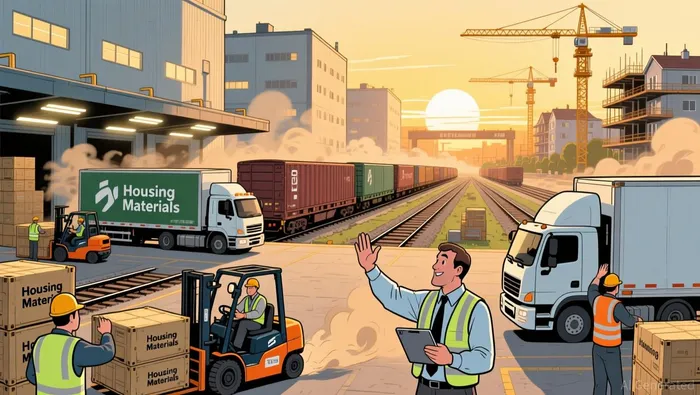
, suggesting a market balancing affordability and demand. of the National Association of Realtors notes that wage growth outpacing home price gains is expanding buyer options, particularly in suburban and rural markets. This shift aligns with a decade-long trend: as remote work and digital real estate platforms reshape housing preferences, demand for cross-regional freight and logistics infrastructure has surged.
Historical data from 2010 to 2025 reveals a stark divergence in sector performance. During periods of housing growth, transportation infrastructure firms like Union PacificUNP-- (UNP) and Hapag-Lloyd (UHHHF) capitalized on arbitrage opportunities from regional fuel price disparities and supply chain optimization. For instance, . Conversely, automotive sales, particularly for passenger cars, have contracted sharply during these periods. In June 2025, , , reflecting a shift toward utility vehicles and used car purchases.
The automotive sector's struggles are compounded by margin compression from rising fuel prices, expiring EV subsidies, and supply chain disruptions. Tesla (TSLA) and General Motors (GM) have faced declining profit margins as consumers prioritize affordability over new car purchases. Meanwhile, logistics firms have leveraged tighter refining margins and e-commerce growth to expand margins. The July 2025 gasoline inventory draw, for example, , a historical trend reinforcing the sector's resilience during fuel shocks.
Investors seeking near-term gains should overweight transportation infrastructure and underweight automotive sectors. The housing market's structural shift toward suburbanization and remote work has created a tailwind for freight and industrial real estate, while automakers face headwinds from affordability constraints and shifting consumer preferences. Auto finance platforms, however, offer a counterbalance: fintech firms like Capital One (COF) and Tesla's in-house lending arm have thrived by adapting to high-interest-rate environments and surging used-car demand.
The July 2025 data also highlights policy-driven tailwinds for infrastructure. Tariff agreements and fuel price volatility have historically amplified logistics firms' ability to optimize supply chains, while automotive supply chains remain vulnerable to geopolitical shocks. As housing affordability improves and suburbanization accelerates, the demand for efficient freight networks will likely outpace passenger vehicle sales for the foreseeable future.
In conclusion, the U.S. housing market's latest surge reinforces a strategic reallocation of capital toward transportation infrastructure. Historical backtests demonstrate that logistics and freight operators outperform automakers during housing growth cycles, while automotive underweights benefit from margin compression and shifting consumer behavior. Investors should prioritize infrastructure overweights and selectively explore auto finance opportunities, aligning portfolios with the broader economic cycles shaping the post-pandemic landscape.
****

Stay ahead of the market.
Get curated U.S. market news, insights and key dates delivered to your inbox.
AInvest
PRO
AInvest
PRO



Comments
No comments yet