
eVTOLs Face High Costs, Remain Luxury for Affluent Consumers
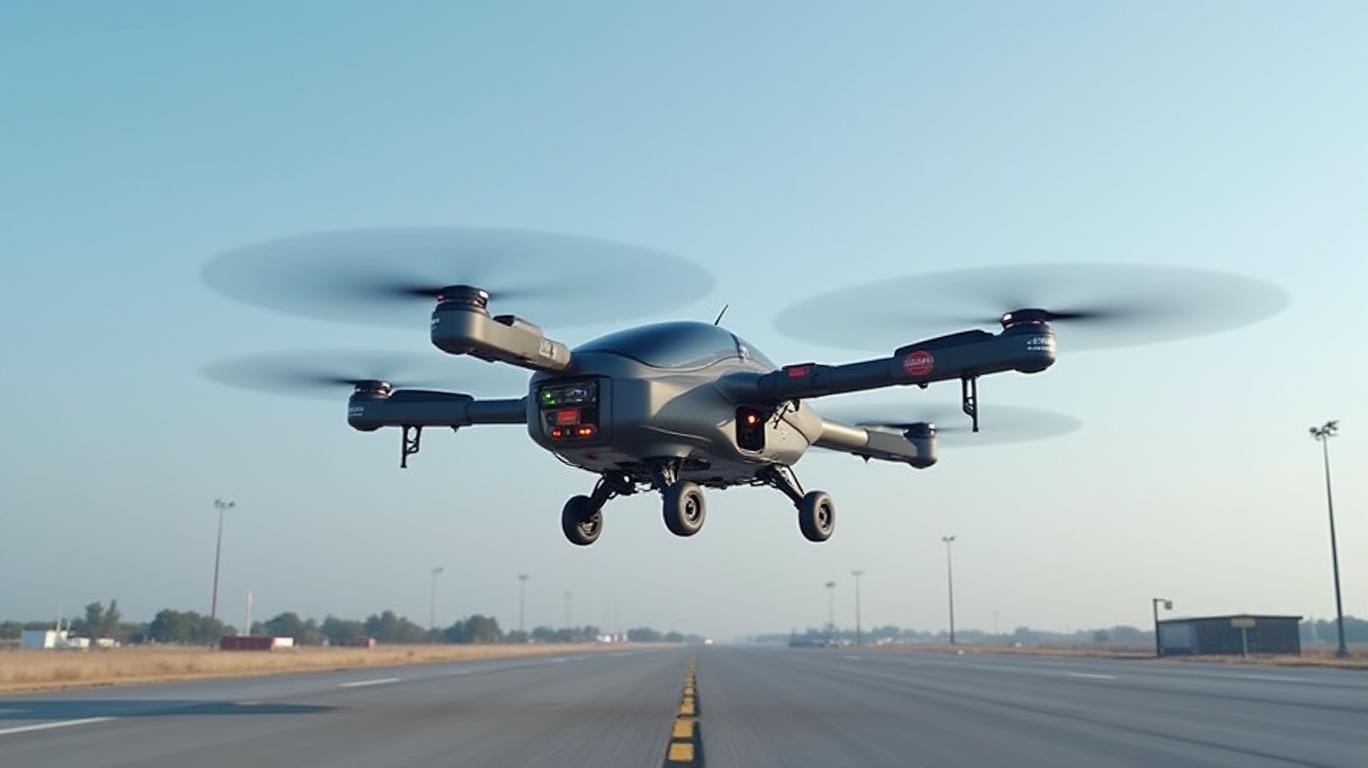
Electric vertical takeoff and landing (eVTOL) aircraft, often referred to as flying taxis, face substantial challenges in the early stages of the advanced air mobility market. The high cost of batteries, limited flight networks, and low utilization rates are major factors driving up operational expenses. Additionally, the aircraft themselves are expensive, making eVTOLs an exclusive mode of transportation for affluent consumers.
The report highlights that the initial deployment of eVTOLs will likely be confined to those who can afford the premium prices. This exclusivity is due to the significant investment required in both the aircraft and the infrastructure needed to support their operations. The high cost of batteries, which are essential for the aircraft's propulsion, is a significant contributor to the overall expense. Furthermore, the limited availability of charging stations and the need for specialized maintenance add to the operational costs.
The low utilization rates of these aircraft will further exacerbate the financial burden. With fewer passengers using the service, the cost per tripTRIP-- remains high, making it an unattractive option for the average consumer. This situation is expected to change as the technology matures and more people adopt the service, but for now, eVTOLs are likely to remain a luxury item.
Joby Aviation Inc. has expressed its goal to make its eVTOL service initially priced similarly to UberUBER-- Black, with the ultimate aim of reducing costs to the level of standard UberX. Achieving this goal will require rapid expansion of aircraft production to lower total ownership costs and achieve profitability. The company plans to collaborate with ToyotaTM-- to produce up to 500 aircraft annually at a factory in Ohio.
Currently, the cost of a trip from New York's Kennedy Airport to Manhattan's West Side on an eVTOL is estimated to be between 2.60 and 3.70 dollars per seat kilometer. This is significantly higher than the cost of a similar trip using Uber Black, which is priced at 1.67 to 2.25 dollars per seat kilometer. However, if eVTOLs can ensure full occupancy, they may become a more cost-effective alternative to traditional helicopters, which currently charge 8.50 dollars per seat kilometer for the same route.
In a scenario with lower operational costs, the total cost of ownership (TCO) for eVTOLs could be as low as 1 to 1.90 dollars per seat kilometer. However, achieving this will depend on the widespread adoption of autonomous flight technology, which would eliminate the need for a pilot and free up an additional passenger seat, further enhancing the economic viability of these aircraft.
In summary, while eVTOLs hold the potential to revolutionize urban transportation, the current economic realities make them an unattainable option for most consumers. As the technology develops and becomes more affordable, the market for flying taxis is expected to expand, but for now, they remain a luxury item for the privileged few. The evolution of the market will depend on advancements in technology, increased adoption rates, and the ability to achieve economies of scale, which will gradually reduce costs and make eVTOLs more accessible to a broader range of consumers.

Stay ahead of the market.
Get curated U.S. market news, insights and key dates delivered to your inbox.




Comments
No comments yet