
EVs Face New Frontiers: Defense Drones and Shifting Market Priorities
 Aime Summary
Sion Power is pivoting from EV batteries to defense applications due to higher demand for drones according to CNBC.
Mazda is prioritizing EVs and existing PHEVs over adding more plug-in hybrids to meet emissions regulations as reported.
Rising gas prices due to the Iran war have increased online interest in EVs by 20% in the U.S. according to The Guardian.
U.S. EV adoption faces policy uncertainty and competition from Chinese automakers expanding into robotics as Reuters reports.
Repurposed battery facilities in Michigan highlight a broader industry shift toward alternative applications Facebook posts indicate.
The electric vehicle industry is undergoing a period of significant strategic reallocation and market recalibration. While EV adoption continues to gain traction, companies are diversifying their product portfolios to address evolving demand patterns and policy landscapes. For investors, understanding these shifts is key to identifying both the opportunities and risks in what has become a more complex and dynamic EV ecosystem.
Why Are EV Companies Shifting to Defense and Aerospace Applications Now?
Sion Power, a once EV-focused battery startup, is now pivoting to defense and aerospace applications due to greater demand and faster adoption in those sectors. The company is commercializing high-energy lithium-metal battery cells for next-generation drones and autonomous systems. These battery cells offer energy densities exceeding 500 watt-hour per kilogram—significantly higher than current lithium-ion technology—which makes them ideal for applications where weight and energy efficiency are critical according to CNBC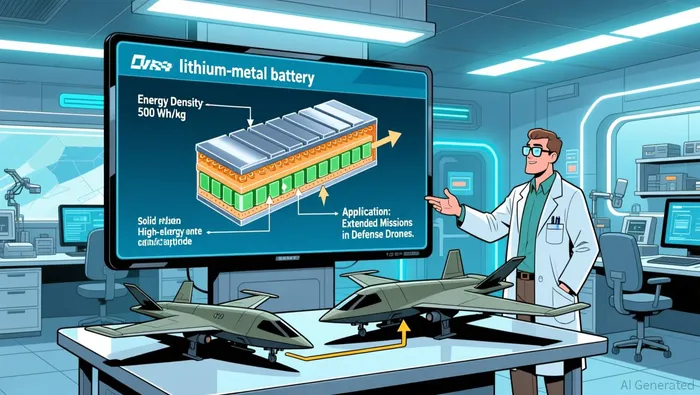 .
.
This move reflects a broader trend among companies in the EV sector that are now exploring non-automotive markets. Defense applications are seeing surges in demand, particularly for drones used in surveillance and logistics, where Sion's battery technology offers a clear advantage. The company plans to ramp up production at its Tucson, Arizona facility and is now targeting defense contractors rather than directly selling to the government. This pivot highlights the flexibility EV companies have in adapting their technology to new sectors.
How Are Rising Gas Prices Affecting EV Interest and Sales Trends?
Recent data shows that rising gas prices—spurred by the war in Iran—have led to a 20% increase in online interest in electric vehicles in the U.S. over the past three weeks according to The Guardian. The surge in oil prices has pushed U.S. gas prices to nearly $3.90 per gallon as of March 21, 2026 according to Reuters, prompting consumers to explore alternatives like EVs and hybrids. This trend is not limited to the U.S., with European markets also seeing a significant increase in EV traffic online, particularly in Germany, where traffic on MeinAuto has grown by 40% since the conflict began.
However, experts caution that while rising gas prices may spark short-term interest, translating that interest into sustained sales growth depends on multiple factors. These include upfront costs, insurance expenses, and the availability of charging infrastructure. In the U.S., EV sales remain at 7.8% of total car sales as reported, a slight dip from 2024. Used EVs are becoming more accessible, with models like the used TeslaTSLA-- now available for under $25,000 according to Reuters, which may help reduce the price barrier for more buyers.
What Are the Risks and Opportunities for EV Investors in 2026 and Beyond?
For investors, the EV space is becoming increasingly multifaceted. While rising gas prices may boost consumer interest in EVs, structural challenges such as the expiration of tax credits, rolling back of fuel efficiency standards, and policy uncertainty under the Trump administration are creating headwinds for growth according to Reuters. Automakers like Honda have already canceled $22 billion in U.S. EV and battery investments in 2025, signaling a more cautious approach as reported.
Simultaneously, the industry is also looking to new frontiers. Chinese automakers are exploring robotics as the next frontier of embodied intelligence, leveraging EV components like sensors and AI according to reports. Companies like XPENG, BYD, and Geely are already developing humanoid robots and integrating EV-derived technologies into these systems, which could open new revenue streams for companies with strong EV platforms.
On the manufacturing side, Tesla and LG Energy Solution are repurposing a former General Motors battery plant in Michigan to produce lithium-iron phosphate (LFP) cells for Tesla's energy storage business as Facebook posts indicate. This shift indicates that the EV value chain is not only expanding but also becoming more diversified. Sion Power's move into the defense sector also shows how companies are now looking beyond automotive applications to secure growth.
Investors should also monitor key developments in the second half of 2026, including Sion Power's planned commercialization of its Licerion HE battery cells and the ramp-up of production at the Lansing, Michigan facility according to Facebook posts. These projects could serve as key indicators of how well EV companies are adapting to the new market realities.
Should Investors Be Concerned About the Slower EV Adoption in the U.S.?
The U.S. market for EVs is at a pivotal point. While gas prices are currently a strong driver of interest, they are also highly volatile and subject to geopolitical shifts. Experts suggest that unless prices remain elevated for an extended period, the current surge in EV interest may not lead to a lasting shift in buyer behavior according to Reuters.
Moreover, the U.S. still lags behind Europe and China in EV adoption and infrastructure development. In contrast, European markets are more receptive to EVs due to government incentives and a better understanding of long-term cost benefits according to Reuters. This gap could persist unless policy shifts provide more stability and support for EV growth in the U.S.
For now, companies like Mazda are adopting a balanced approach. Instead of rushing to add more plug-in hybrid models, the automaker is focusing on its upcoming EVs and existing PHEVs to meet emissions requirements as reported. This strategy allows it to maintain customer choice while keeping prices competitive in the $45,000–$55,000 range, a segment where most private buyers operate according to reports.
The coming months will be critical in determining whether the current momentum in EV interest translates into sustained sales growth or fades with the next dip in gas prices. Investors who are watching the space should look closely at how companies adapt their strategies to the evolving market landscape.
What's Next for EVs in a Shifting Policy and Market Environment?
With policy uncertainty and slower-than-expected adoption rates in the U.S., EV companies are increasingly looking for new ways to allocate their resources. This includes expanding into adjacent markets like defense, energy storage, and robotics according to reportsand Facebook posts indicate. For Sion Power and others, the shift to defense applications represents a strategic pivot that could provide a more predictable path to growth according to CNBC.
Investors should also keep an eye on how automakers like Mazda are navigating the regulatory landscape. The company is leveraging a mix of EV sales, credit purchases, and pricing adjustments to meet emissions requirements as reported. This approach reflects a broader trend among automakers seeking to balance compliance with affordability and customer preferences.
Ultimately, the future of EVs will depend on a combination of factors: policy stability, infrastructure development, and the ability of companies to innovate beyond the traditional automotive market. For now, the industry remains in a period of transition, with both challenges and opportunities on the horizon.

Manténganse al tanto de las noticias de Wall Street en tiempo real.
Latest Articles
Stay ahead of the market.
Get curated U.S. market news, insights and key dates delivered to your inbox.
AInvest
PRO
AInvest
PRO



Comments
No comments yet