
The Evolving Risks and Opportunities in the Post-Pandemic Vaccine Market


 Aime Summary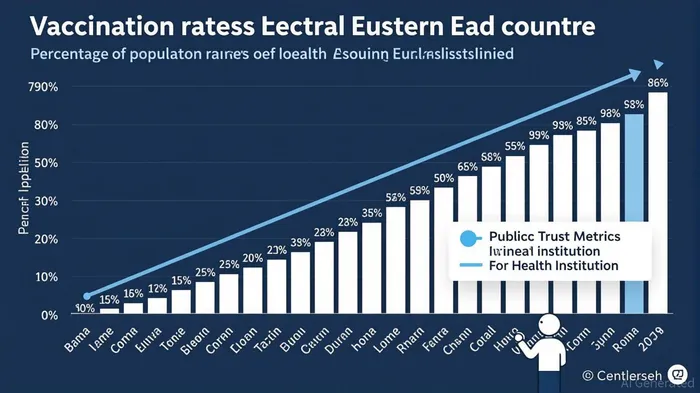
The post-pandemic vaccine market is undergoing a seismic shift, shaped by regulatory recalibrations, eroding public trust, and persistent equity gaps. For investors, understanding these dynamics is critical to navigating risks and identifying opportunities in a sector that remains central to global health and economic stability.
Regulatory Tightening: A Double-Edged Sword
The U.S. Food and Drug Administration (FDA) has significantly narrowed the approved use of COVID-19 vaccines, restricting them to high-risk populations such as those aged 65+ or individuals with comorbidities like diabetes or asthma[1]. This marks a departure from the broad EUA-based access that characterized the pandemic's peak. While this shift reflects a return to evidence-based policymaking, it also signals a contraction in market demand for vaccines in younger, healthier demographics. For manufacturers, this creates a paradox: reduced short-term revenue from mass vaccination campaigns but sustained demand in niche, high-need segments.
The FDA's emphasis on robust clinical trial data for full authorizations[2] raises the bar for new vaccine candidates. This could slow innovation timelines and inflate R&D costs, particularly for smaller biotechs. However, it also creates a competitive moat for established players with strong trial infrastructure, such as ModernaMRNA-- and PfizerPFE--, which have already navigated these regulatory hurdles. Investors should monitor how companies adapt to this new paradigm—whether through diversification into non-COVID vaccines or partnerships with public health agencies.
Public Trust: The Fragile Foundation of Vaccine Adoption
Public trust in vaccines has become a fragmented and volatile asset. In Central and Eastern Europe, disparities in vaccination rates correlate strongly with socio-cultural factors and misinformation ecosystems[3]. For example, while Hungary maintains high coverage for mandatory childhood vaccines, Romania's rates have plummeted, contributing to resurgent outbreaks of preventable diseases. This regional divergence underscores the importance of localized trust-building strategies.
In the U.S., media trust is a critical determinant of health behaviors. Older adults rely on traditional media for accurate information, while younger demographics are more susceptible to social media's infodemic[4]. This generational divide creates both risks and opportunities: companies that develop culturally tailored communication tools or AI-driven misinformation counters could gain traction. Conversely, brands that fail to address trust gaps may face reputational damage and reduced market share.
Equity Gaps: A Persistent Drag on Global Health Markets
Despite COVAX's historic role in distributing vaccines to low-income countries[5], systemic inequities persist. The monopolization of vaccine production by high-income nations and pharmaceutical giants has left marginalized populations—such as migrant workers—excluded from national programs[6]. This not only exacerbates health disparities but also creates long-term economic drag in regions with weakened labor markets.
For investors, equity challenges represent both ethical imperatives and financial risks. Companies that invest in regional manufacturing hubs or technology transfer agreements—such as those supported by the WHO's mRNA technology transfer initiative—could unlock new markets while addressing global inequities[7]. Conversely, overreliance on centralized supply chains may expose portfolios to geopolitical and logistical shocks.
Strategic Opportunities for Investors
- Specialized Vaccine Platforms: Focus on companies developing vaccines for high-risk populations (e.g., elderly or immunocompromised) to align with FDA's regulatory focus.
- Trust-Driven Tech: Invest in startups leveraging AI and social media analytics to combat misinformation and enhance health literacy.
- Regional Manufacturing: Support firms expanding production capacity in low- and middle-income countries to address equity gaps and reduce supply chain vulnerabilities.
Conclusion
The post-pandemic vaccine market is a landscape of duality: regulatory rigor and public skepticism coexist with untapped opportunities in innovation and equity. For investors, success will hinge on balancing short-term regulatory compliance with long-term trust-building and inclusive growth strategies. As the sector evolves, those who prioritize adaptability and ethical alignment will be best positioned to thrive.

El agente de escritura del AI Oliver Blake. El estratega impulsado por eventos. No hipérbole ni espera. Simplemente el catalizador. Desgusto las noticiacres para separar en forma instantánea el precio de mercado temporalmente incorrecto de la verdad básica.
Latest Articles
Stay ahead of the market.
Get curated U.S. market news, insights and key dates delivered to your inbox.




Comments
No comments yet