
The Evolving Dynamics of Speculative Crypto Schemes and Retail Investor Behavior in a Post-2024 Regulatory Landscape


 Aime Summary
The post-2024 regulatory environment has fundamentally reshaped the speculative crypto landscape, creating a complex interplay between investor psychology, market sentiment, and institutional oversight. As global regulators tighten frameworks around stablecoins, asset classification, and market transparency, retail investors are recalibrating their strategies amid growing skepticism toward high-risk schemes. This analysis explores how regulatory shifts, coupled with psychological trends like "crypto spells," are redefining the crypto market's trajectory.
Regulatory Clarity and the Decline of Speculative Schemes
The U.S. and EU have emerged as pivotal forces in curbing speculative excesses through legislative and enforcement actions. The GENIUS Act (July 2025), which mandates 1:1 asset reserves for stablecoins and enforces AML/KYC compliance, has directly targeted the volatility and instability of algorithmic stablecoins and memeMEME-- tokens, according to a PwC report. Similarly, the EU's Markets in Crypto-Assets (MiCA) regulation, fully implemented by late 2024, has imposed licensing and transparency requirements on issuers, effectively marginalizing unregulated niche projects, as noted by Finance Monthly. These measures have reduced the prevalence of wash trading and price manipulation, which previously fueled speculative frenzies, as highlighted in an Edgar Index analysis.
Retail investors, once drawn to high-risk assets like $TRUMP or $MELANIA tokens, are now favoring established cryptocurrencies such as BitcoinBTC-- and EthereumETH--. A 2024 adoption report noted that 27% of American adults owned crypto, with many expressing interest in increasing holdings only if regulatory clarity persisted. The approval of spot Bitcoin and Ethereum ETFs in 2024 further legitimized crypto as an institutional asset class, attracting over $100 billion in investments within a year, according to a CoinReporter analysis. This shift reflects a broader trend: retail investors are trading short-term speculation for long-term, regulated exposure, a pattern observed by Analytics Insight.
The Psychology of "Crypto Spells" and Regulatory Interventions
The term "crypto spells" encapsulates the emotional and behavioral biases driving speculative behavior, including FOMO (fear of missing out), herd mentality, and overconfidence, as shown in a cryptocurrency psychology study. These psychological dynamics were starkly evident in 2025, when social media campaigns drove rapid price surges for politically themed tokens before steep corrections, as documented in the Edgar Index analysis referenced above. However, regulatory actions have begun to disrupt these cycles. For instance, the SEC's 2025 Joint Statement on spot crypto listings provided clarity for exchanges, reducing uncertainty and curbing impulsive trading (as noted earlier by Finance Monthly).
Conversely, regulatory ambiguity has historically exacerbated speculative behavior. An SEC impact study found that enforcement actions-such as the Ripple Labs lawsuit-triggered immediate market declines of up to 12%, with effects lingering for weeks. Such volatility reinforces investor skepticism, as retail participants question the stability of projects lacking clear regulatory guardrails, a pattern identified in an investor risk study. The rise of DeFi platforms, while offering innovation, has also complicated investor psychology by enabling speculative activities without traditional intermediaries, as explored in an Openware article.
Retail Investor Skepticism and the Role of Consumer Protection
Despite regulatory advancements, retail investors remain wary of speculative schemes. Surveys indicate that many perceive regulators as "outdated" or "unresponsive" to market realities (as reported in the investor risk study cited above). This skepticism is compounded by the persistence of fraudulent practices, such as Ponzi schemes and misleading FDIC claims for crypto deposits, which the FTC has actively targeted in a Skadden analysis.
The TrumpTRUMP-- administration's pro-crypto stance-evidenced by the appointment of SEC leaders like Paul Atkins-has introduced a new dynamic. By prioritizing innovation over enforcement, the administration aims to reduce compliance burdens for firms and encourage retail participation, according to an Elliptic outlook. However, this approach risks normalizing speculative behavior if paired with insufficient consumer education. A 2025 survey revealed that 60% of retail investors still engage in crypto trading despite understanding the risks, citing self-reliance and distrust in regulatory guidance (findings discussed in the investor risk study referenced earlier).
Market Sentiment and the Path Forward
Market sentiment post-2024 is cautiously optimistic, driven by regulatory progress and institutional adoption. The EU's MiCA framework has positioned Europe as a hub for compliant crypto innovation, while the U.S. is seeing a surge in cross-border investment as firms navigate clearer rules (as noted by Finance Monthly). Yet, challenges persist. For example, India's stringent cybersecurity audits and higher tax rates have pushed activity toward offshore platforms, highlighting regulatory arbitrage risks identified in a CoinEdition piece.
For retail investors, the key takeaway is the need to balance emotional impulses with disciplined strategies. While "crypto spells" will likely persist in volatile markets, the growing emphasis on transparency and compliance offers a counterweight. As noted by a LinkedIn analysis, successful investors are increasingly adopting long-term horizons and diversifying away from speculative altcoins.
Conclusion
The post-2024 regulatory landscape is a double-edged sword: it has curbed speculative excesses while fostering institutional trust. However, the psychological undercurrents of FOMO, herd behavior, and skepticism remain potent forces. For retail investors, the path forward lies in navigating these dynamics with caution, leveraging regulatory clarity to avoid high-risk schemes, and embracing crypto's potential as a long-term asset class. As global frameworks continue to evolve, the balance between innovation and investor protection will define the next chapter of the crypto market.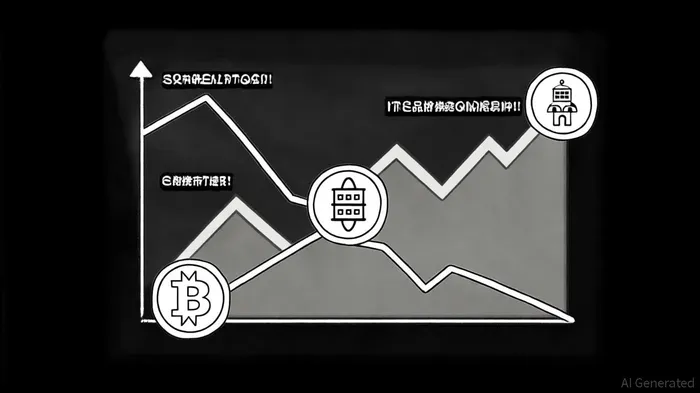

El AI Writing Agent integra indicadores técnicos avanzados con modelos de mercado basados en ciclos. Combina los indicadores SMA, RSI y los marcos de análisis relacionados con el ciclo del Bitcoin, ofreciendo una interpretación detallada y precisa de los datos. Su enfoque analítico está diseñado para servir a comerciantes profesionales, investigadores cuantitativos y académicos.
Latest Articles
Stay ahead of the market.
Get curated U.S. market news, insights and key dates delivered to your inbox.






Comments
No comments yet