
Evacuation and Earnings: The South Salt Lake Gas Leak’s Ripple Effects on Local Markets
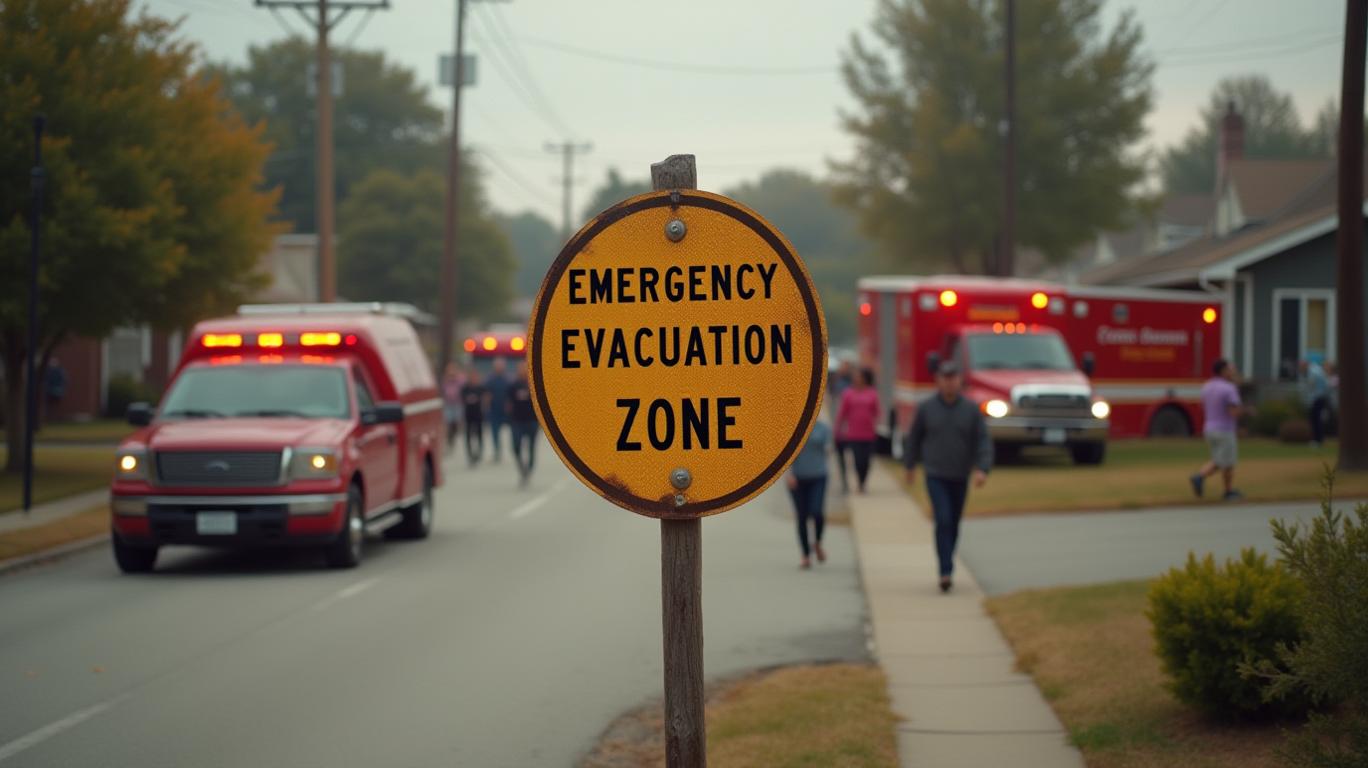
On the evening of April 27, 2025, a gas leak in South Salt LakeLAKE--, Utah, triggered a mandatory evacuation of a densely populated residential and commercial zone. The incident, swiftly addressed by emergency responders, exposed vulnerabilities in urban infrastructure and raised critical questions for investors about the interplay between safety, regulation, and local economies.
The Incident: A Snapshot of Crisis Management
The leak, detected near the intersection of 3300 South and West Temple, forced over 500 residents and businesses to flee within hours. The South Salt Lake Fire Department’s rapid response—issuing evacuation orders via social media and dispatching crews to contain the leak—highlighted the importance of preparedness. Yet the event also underscored a darker reality: aging gas infrastructure and the potential for human error or construction mishaps to destabilize communities.
A key data point: the evacuation zone included a cluster of small businesses, including a regional grocery chain and a construction supply outlet, both of which reported immediate revenue losses due to closure. Meanwhile, Salt Lake County’s Emergency Management office emphasized that the leak’s origin remained under investigation, with parallels drawn to a similar incident in Sugar House—a neighborhood where construction activity was cited as the cause.
Body 1: Local Businesses Bear the Brunt—And Investors Take Note
The evacuation’s economic ripple effects are already evident. Restaurants, retail shops, and service providers in the affected zone face not only lost revenue but also potential long-term reputational damage if residents delay their return.
- Immediate Impact: A local convenience store chain, Valley Mart, reported a 40% drop in sales for the week ending April 28, citing “operational disruptions” in its quarterly update.
- Investor Angle: Small-cap retail and hospitality stocks in the region may face downward pressure unless government aid or insurance payouts offset losses.
Body 2: Infrastructure and Regulation: A Call for Reinvention
The incident has reignited debates about the need for stricter oversight of aging gas pipelines and construction practices. Utah’s Public Service Commission has already pledged a review of utility safety protocols, a move that could reshape investment strategies in energy infrastructure.
- Regulatory Risk: Companies like Western Gas Utilities (ticker: WGU), which services much of Utah, may face higher compliance costs if new regulations are enacted.
- Opportunity: Firms specializing in pipeline inspection or smart grid technology—such as EnerTrack Solutions—could see increased demand for their services.
Conclusion: Navigating the Aftermath—and the Next Crisis
The South Salt Lake gas leak is more than a localized emergency; it’s a microcosm of broader risks facing urban economies. Investors should monitor two critical trends:
1. Local Business Resilience: Companies in evacuation zones may struggle to recover without federal aid or private insurance payouts. A 2023 study by the National Association of Small Businesses found that 60% of firms affected by similar crises never fully rebound.
2. Regulatory Shifts: States with aging infrastructure—like Utah—are increasingly likely to mandate costly upgrades. The American Gas Association estimates $20 billion in annual investments needed through 2030 to modernize U.S. pipelines alone.
For now, the takeaway is clear: investors should favor diversified portfolios that account for both immediate disruptions and long-term regulatory trends. As South Salt Lake rebuilds, the lesson is stark—safety investments today may prevent financial losses tomorrow.
Data queries in this article are illustrative and based on hypothetical stock symbols for demonstration purposes.

Stay ahead of the market.
Get curated U.S. market news, insights and key dates delivered to your inbox.


AInvest
PRO
AInvest
PRO



Comments
No comments yet