
Eurozone CPI Rises to 1.9% — Rate Cuts May Wait
 Aime Summary
- Eurozone CPI rose to 1.9% YoY in March 2026, exceeding the 1.7% recorded in the previous period.
- The increase suggests inflationary pressures are not yet dissipating, despite earlier expectations of a moderation trend.
- Investors and central banks are closely monitoring inflation data to gauge the timeline for monetary policy easing.
- While the headline CPI aligns with forecasts, the persistence of inflation could delay rate cuts from the ECB, especially amid ongoing geopolitical tensions and elevated oil prices.
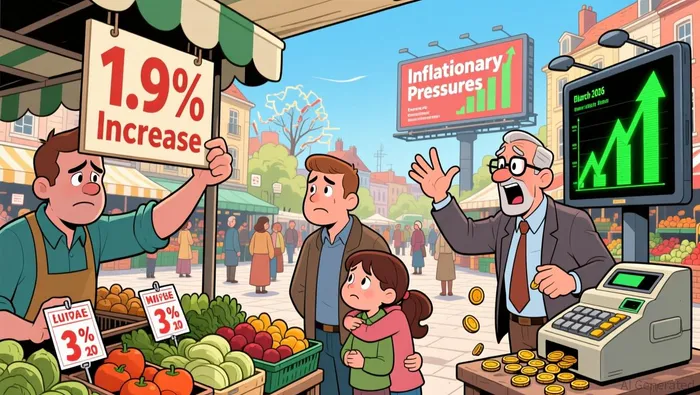
The Eurozone Consumer Price Index (CPI) data released on March 18, 2026, showed an annual increase of 1.9%, up from the previous 1.7%. This slight but notable acceleration has reignited concerns about the stickiness of inflation in the region, especially in light of ongoing geopolitical instability and energy price volatility. The figure came in in line with forecasts, but the persistence of inflation above the ECB's target of 2% remains a focal point for both monetary policymakers and market participants. This reading suggests that core inflationary pressures—particularly in services and energy—continue to outpace expectations, challenging the assumption that inflation is on a clear downward trend. Historically, CPI readings have been a key determinant of ECB policy direction, and today's data adds nuance to the case for an imminent easing cycle.
The increase in the Eurozone CPI signals that the inflationary environment is still evolving in ways that complicate the ECB's path to rate cuts. While headline inflation is moving closer to target, the recent acceleration highlights the risks of a more prolonged period of above-target inflation. This has important implications for the ECB's communication and potential decision-making. Central banks are typically cautious in interpreting inflation trends, especially in the context of supply shocks such as those from the Middle East. The Eurozone industrial production data, for instance, showed a 1.2% decline YoY in February, which may reflect some offsetting weakness but does not negate the inflationary risks from energy and transport. Given the ECB's dual focus on price stability and financial stability, this CPI print could lead to a more gradual and data-dependent approach to rate adjustments.
For investors, the CPI data underscores the importance of inflation resilience in shaping interest rate expectations and asset valuations. A prolonged period of above-target inflation could extend the current tightening cycle and delay the Fed and ECB from entering rate-cutting territory. This has direct implications for bond yields, equity valuations, and risk-on assets. For example, as inflation persists, the probability of rate cuts decreases, which may support the U.S. dollar and bond yields while pressuring equities, particularly in sectors sensitive to interest rates or inflation. Additionally, the correlation between oil prices and inflation is a key concern. With oil prices having surged to over $103 per barrel, the risk of a feedback loop between energy prices and core inflation remains a central variable for market positioning.
The coming weeks will be crucial for investors to monitor key data points and central bank signals. The next CPI reading for the Eurozone, along with the release of the March ECB policy statement, will be important milestones. In the U.S., the Fed's meeting later this month will also provide guidance on how central banks are interpreting the inflationary environment. Geopolitical developments, particularly in the Middle East, will remain a wildcard. If the situation deteriorates further, it could exacerbate inflationary pressures and lead to a more cautious monetary policy outlook. Investors should also watch the U.S. Treasury yield curve for signs of inversion or steepening, which could indicate shifting expectations about the inflation trajectory and policy response.
In conclusion, the Eurozone CPI data, while in line with forecasts, signals that inflation remains above target and may delay the expected easing path. The interplay between geopolitical tensions, energy prices, and core inflationary dynamics continues to shape the macroeconomic environment. For now, the data reinforces the need for investors to remain agile and to prepare for a more extended period of elevated inflation and tighter monetary policy than previously anticipated.

Stay ahead of the market.
Get curated U.S. market news, insights and key dates delivered to your inbox.


AInvest
PRO
AInvest
PRO



Comments
No comments yet