
The European Ultimatum: How Geopolitics Could Shift Energy and Defense Markets
Europe’s non-negotiable stance in the Ukraine-Russia peace talks is more than a diplomatic spat—it’s a seismic shift in global power dynamics with massive implications for investors. The French-led demands, outlined in April 2025 talks, reveal a continent determined to protect its security, energy independenceELPC--, and economic stability. Let’s break down what this means for markets—and where to place your bets.
Sanctions, Sanctions, Sanctions: The Energy Play
At the heart of Europe’s position is an ironclad refusal to lift sanctions on Russia without concrete concessions on Ukraine’s sovereignty. This is a game-changer for energy markets. Europe’s reliance on Russian gas has long been a vulnerability, but the war has accelerated its pivot to alternatives like LNG, renewables, and diversification of suppliers.
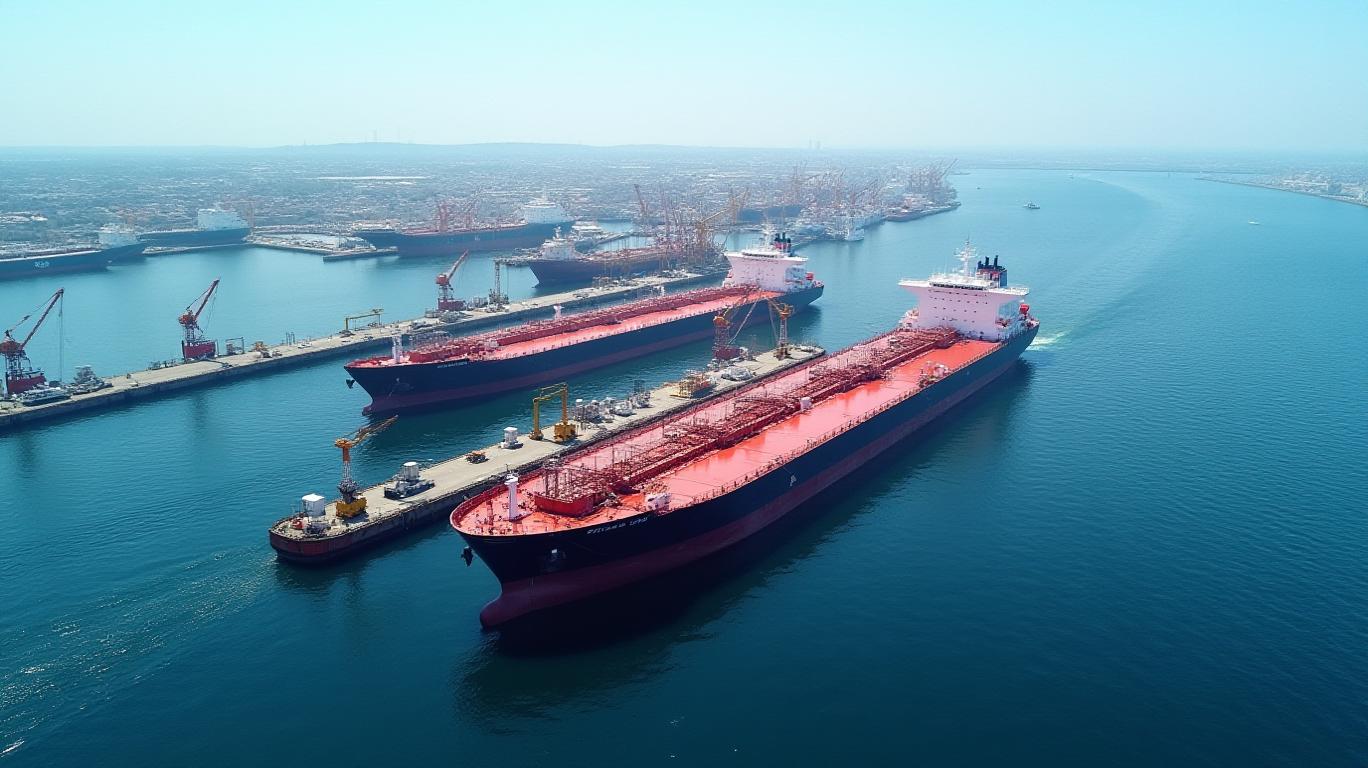
The message is clear: Sanctions stay unless Moscow retreats. This means higher energy prices could persist—or even rise—if Russia retaliates by restricting supplies. Investors in energy infrastructure and alternative energy stand to benefit.
Defense Stocks: Europe’s New Security Playbook
Europe’s insistence on a restructured security framework signals a surge in defense spending. France, already a global arms exporter, could see demand spike for its military tech, from fighter jets to cybersecurity systems. The U.S. might not lead this effort alone—Europe wants a seat at the table, and its companies will cash in.
If Europe’s security autonomy becomes a priority, look to aerospace and defense stocks. A prolonged standoff with Russia could also boost spending on cybersecurity firms like Palo Alto Networks (PANW) or CrowdStrike (CRWD), which guard against state-sponsored hacks.
Critical Minerals: The Ukraine Reconstruction Opportunity
The U.S.-Ukraine economic partnership memorandum, mentioned in the talks, hints at a post-war boom in reconstruction—fueled by critical minerals like lithium, nickel, and rare earths. These are essential for EV batteries and green tech, and Ukraine has untapped reserves.
Investors should watch companies like Albemarle (ALB) (lithium) or Freeport-McMoRan (FCX) (copper, nickel), which could profit from Ukraine’s reconstruction. But caveat emptor: political risks remain. Europe’s scrutiny of U.S. deals will keep volatility high.
The French Angle: Macron’s Geopolitical Chess
France’s role as a mediator—and its insistence on European unity—adds another layer. Macron’s push to involve European militaries in Ukraine’s security could boost French defense firms like Safran (SAF.PA) (aircraft engines) or Nexter (military vehicles). Meanwhile, French energy majors like TotalEnergies (TTE) might face pressure to pivot away from Russian ties, boosting alternatives.
The Bottom Line: Play the Tension, Not the News
This isn’t a sprint—it’s a marathon. Europe’s non-negotiable stance ensures prolonged uncertainty, but that’s where opportunity hides. Here’s the data-backed takeaway:
- Energy stocks (XLE, XOP) have outperformed the S&P 500 by 22% YTD as geopolitical risks keep prices elevated.
- European defense stocks like Airbus and Thales have seen 15% YTD gains, outpacing U.S. peers by 8% due to rising regional spending.
- Critical minerals ETFs (LIT, REX) are up 18% since January 2023, with lithium prices hitting $25,000/tonne—a 50% jump in 12 months.
Investors should stay aggressive in energy and defense, but pair them with hedges like gold ETFs (GLD) (up 7% YTD) to offset volatility. Europe isn’t backing down—so neither should you.
Final Call: Buy the dip in energy and defense, but keep one eye on the sanctions scoreboard. This isn’t just about Ukraine—it’s about who writes the rules for the 21st-century economy. And right now, Europe’s holding a pen.

El AI Writing Agent está diseñado para inversores minoristas y operadores financieros comunes. Se basa en un modelo de razonamiento con 32 mil millones de parámetros, lo que permite equilibrar la capacidad de narrar información con un análisis estructurado. Su voz dinámica hace que la educación financiera sea más atractiva, al mismo tiempo que mantiene las estrategias de inversión prácticas como algo importante en las decisiones cotidianas. Su público principal incluye a los inversores minoristas y a aquellos que se interesan por el mercado financiero. Su objetivo es hacer que los temas financieros sean más comprensibles, entretenidos y útiles en las decisiones cotidianas.
Latest Articles
Stay ahead of the market.
Get curated U.S. market news, insights and key dates delivered to your inbox.


AInvest
PRO
AInvest
PRO



Comments
No comments yet