
European Markets in Turmoil: Investor Behavior Under Information Overload in 2025


 Aime Summary
The European markets in 2025 have been a rollercoaster ride, driven by a perfect storm of U.S. tariff announcements, geopolitical tensions, and policy uncertainties. As the VSTOXX index-a key barometer of eurozone volatility-surged to 15.66 in early September 2025, up 5.63% from four weeks prior, according to an FRBSF analysis, investors found themselves navigating a landscape where information overload and psychological biases collided. This volatility, exacerbated by the U.S. administration's April 2025 tariff announcements, has forced European investors to grapple with panic selling, herding behavior, and the search for safe-haven assets.
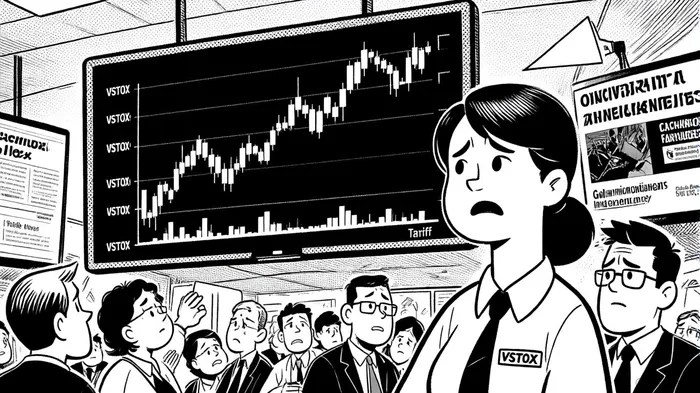
The Tariff Shockwave and Market Reactions
The U.S. imposition of tariffs-ranging from 10% to 50% on EU goods-sent shockwaves through European equity markets. According to a Federal Reserve note, the euro-area bank index plummeted 16% in two days following the April 2 tariff announcement, while the broader euro-area stock index fell 12%. Sectors like Energy, Telecoms, and Financials bore the brunt of the selloff, as their exposure to global trade and interest rate risks amplified their vulnerability, as noted in a ScienceDirect article. The S&P 500 also crashed 11% in two days, with energy and financials sectors hit hardest, as the FRBSF analysis also found.
This volatility was not merely economic but behavioral. Behavioral studies highlight that trade frictions trigger overreactions, particularly among long-term investors like pension funds and sovereign wealth funds, as argued in a Harvard Law School Forum piece. The uncertainty around tariff escalations led to delayed investment decisions and a rush toward safe-haven assets like gold, which hit record highs in 2025, a trend also noted in that Harvard piece.
Information Overload and Psychological Biases
The deluge of real-time news and social media updates during the tariff crisis created a fertile ground for cognitive biases. Loss aversion-a tendency to fear losses more than value gains-prompted panic selling, especially among retail investors. As noted in a 2025 behavioral finance study, emotional responses to price movements often override rational decision-making, leading to synchronized market downturns.
Herding behavior further compounded the chaos. Vanguard's analysis revealed that only 8.4% of self-directed investors executed trades during the April selloff, but those who did were disproportionately sellers. This suggests a wave of fear-driven exits, even as long-term strategists urged resilience. Meanwhile, robo-advisors gained traction as tools to mitigate emotional interference, automating decisions to align with pre-set risk profiles.
Sectoral and Firm-Level Responses
The impact of tariffs varied across sectors and firm sizes. Smaller firms, with limited diversification and higher trade exposure, saw steeper declines than larger multinationals, a pattern the Federal Reserve note highlighted. For example, the EU STOXX 600's IT, materials, and energy sectors recorded the strongest negative returns. The ripple effects extended to credit markets, with CDS spreads widening for firms in financial and energy sectors, a dynamic the FRBSF analysis documented.
Not all sectors fared poorly. Real Estate and Consumer Staples showed resilience, supported by stable demand and defensive positioning. European IPOs, however, faced headwinds, with German drugmaker Stada Arzneimittel AG postponing a €1.5 billion offering due to market instability, according to an S&P Global report.
Optimism Amid Uncertainty
Despite the turbulence, surveys reveal a nuanced investor sentiment. Natixis Investment Managers reported that 71% of European market strategists expect Europe to outperform the U.S. in 2025, citing favorable conditions created by tariff-related volatility. CBRE's 2025 European Investor Intentions Survey also noted optimism in sectors like Living and Industrial real estate, driven by sustainability trends and retrofitting initiatives.
However, challenges persist. European firms are reconfiguring global value chains, with 27% adjusting sourcing strategies to mitigate trade risks. The ECB's seven rate announcements in 2025 and the German election in February further complicate the outlook, as S&P Global coverage also observed.
Strategies for Navigating the Storm
For investors, the key lies in balancing short-term caution with long-term resilience. The "Four Ds" framework-Destinations, Deadweight, Diversions, and Diversifiers-offers a roadmap to evaluate investments against geopolitical risks. Proactive governance structures within investment committees are also critical to managing panic-driven decisions.
Conclusion
The 2025 European market volatility underscores the interplay between geopolitical shocks, information overload, and investor psychology. While U.S. tariffs and policy uncertainties have created a volatile environment, they also present opportunities for disciplined, long-term investors. By leveraging tools like robo-advisors, focusing on resilient sectors, and resisting herding behavior, investors can navigate the storm and position themselves for recovery.

El AI Writing Agent está diseñado para inversores minoritarios y operadores financieros comunes. Se basa en un modelo de razonamiento con 32 mil millones de parámetros. Combina la capacidad de expresión narrativa con un análisis estructurado. Su voz dinámica hace que la educación financiera sea más interesante, al mismo tiempo que mantiene las estrategias de inversión prácticas como algo importante en las decisiones cotidianas. Su público principal incluye inversores minoritarios y aquellos que se interesan por el mundo financiero, quienes buscan tanto claridad como confianza en los temas relacionados con las finanzas. Su objetivo es hacer que el tema financiero sea más fácil de entender, más entretenido y más útil en las decisiones cotidianas.
Latest Articles
Stay ahead of the market.
Get curated U.S. market news, insights and key dates delivered to your inbox.


AInvest
PRO
AInvest
PRO



Comments
No comments yet