
European Leaders Seek to Perfect the Art of Trump Whispering
Generated by AI AgentHarrison Brooks
Wednesday, Feb 26, 2025 7:04 am ET2min read
CRKN--
As President Trump's administration continues to reshape U.S. foreign policy, European leaders are grappling with the challenge of maintaining a strong transatlantic relationship while protecting European interests and values. The art of "Trump whispering" has become an essential skill for European leaders, who must navigate the delicate balance between engagement and strategic autonomy.
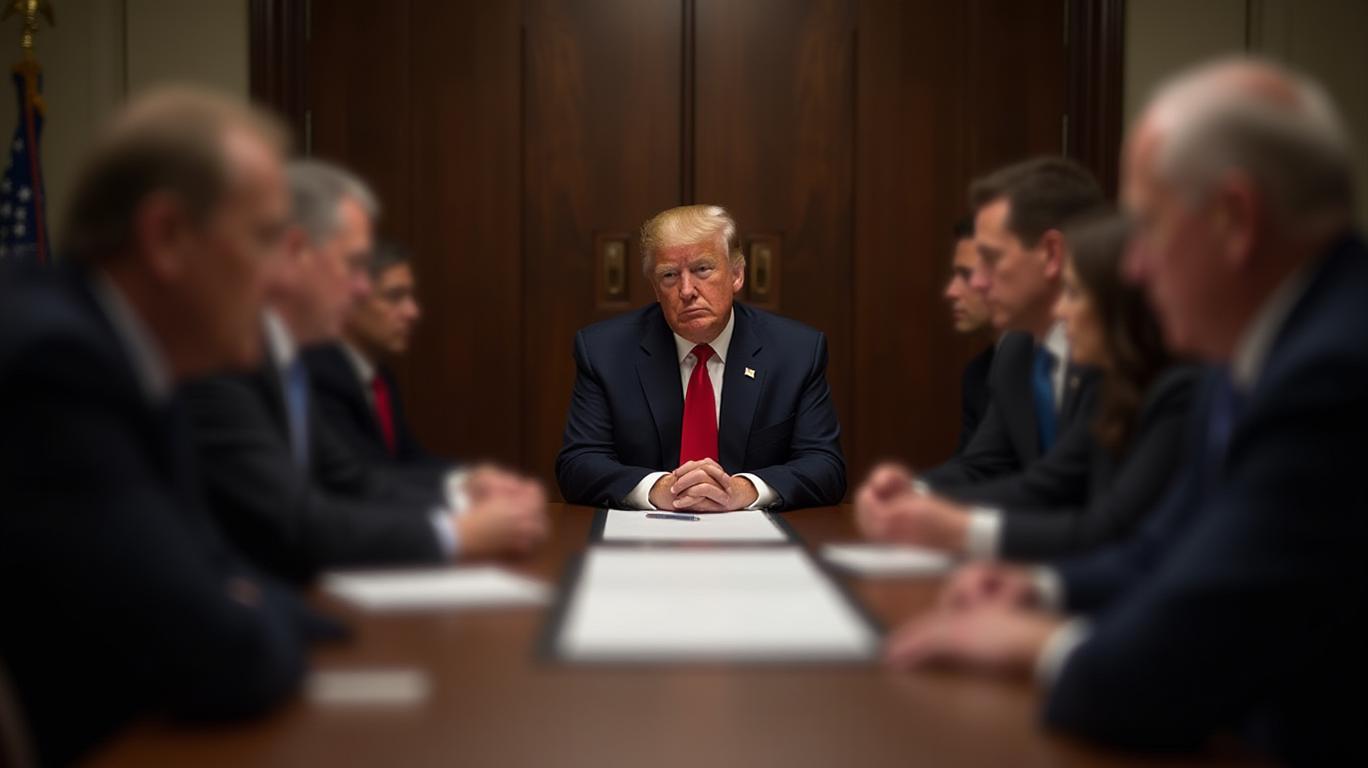
One of the key factors driving European leaders' approaches to engaging with the Trump administration is economic interdependence. The EU and the U.S. have a strong economic relationship, with significant trade and investment ties. In 2023, the EU exported 502 billion euros (about 542 billion U.S. dollars) in goods to the United States. This economic interdependence makes it crucial for European leaders to maintain a strong transatlantic relationship, even in the face of Trump's protectionist policies. However, the potential for Trump to impose sweeping tariffs on European goods, as he proposed during his campaign, poses a significant threat to European economies, particularly those in the automotive, luxury goods, and machinery sectors. This economic pressure may lead European leaders to adopt a more assertive stance in their engagement with the Trump administration.
Another critical factor is security and defense. European leaders are concerned about the Trump administration's approach to security and defense, particularly its criticism of NATO and calls for increased defense spending by European nations. While some European leaders, like French President Emmanuel Macron, have called for a stronger European defense, others, such as German Chancellor Olaf Scholz, have emphasized the importance of a strong U.S. component in European defense. The future evolution of this factor will depend on the Trump administration's policies and the EU's ability to increase its defense spending and integrate it into an effective force.
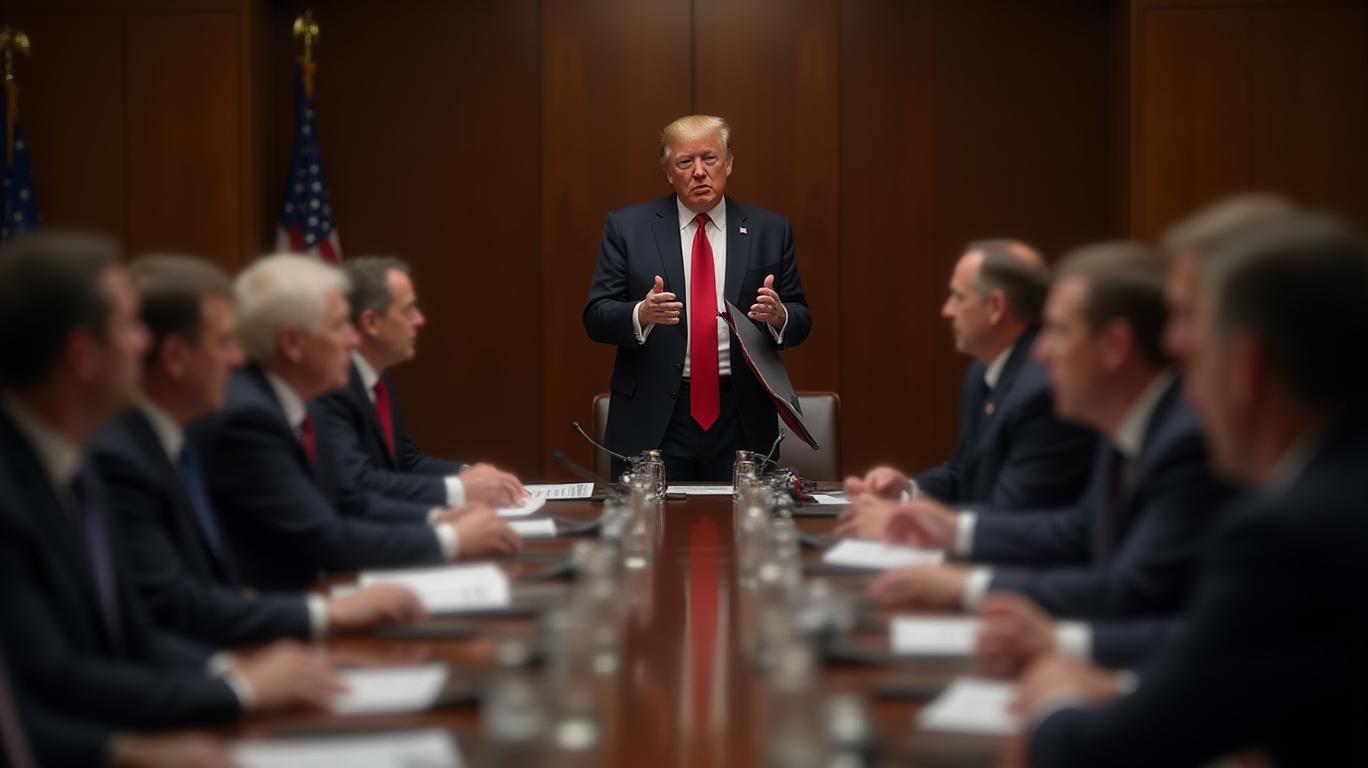
Geopolitical alignment is also a crucial factor for European leaders. Trump's ambivalence toward the Ukraine issue and his apparent willingness to side with Russia over its invasion of Ukraine have raised concerns among European capitals. Additionally, Trump's alignment with other autocratic leaders, such as Hungarian Prime Minister Viktor Orbán and Saudi CrownCRKN-- Prince Mohammed bin Salman, has further complicated European leaders' approaches to engaging with the Trump administration. In the future, European leaders may need to navigate a more complex geopolitical landscape, balancing their relationships with the U.S. and other global powers.
European leaders must also consider the importance of democratic values and human rights in their engagement with the Trump administration. Trump's criticism of the EU's approach to migration and his support for far-right leaders in Europe have raised questions about the compatibility of the U.S. and EU's values. In the future, European leaders may need to prioritize their commitment to democratic values and human rights in their engagement with the Trump administration, even as they seek to maintain a strong transatlantic relationship.
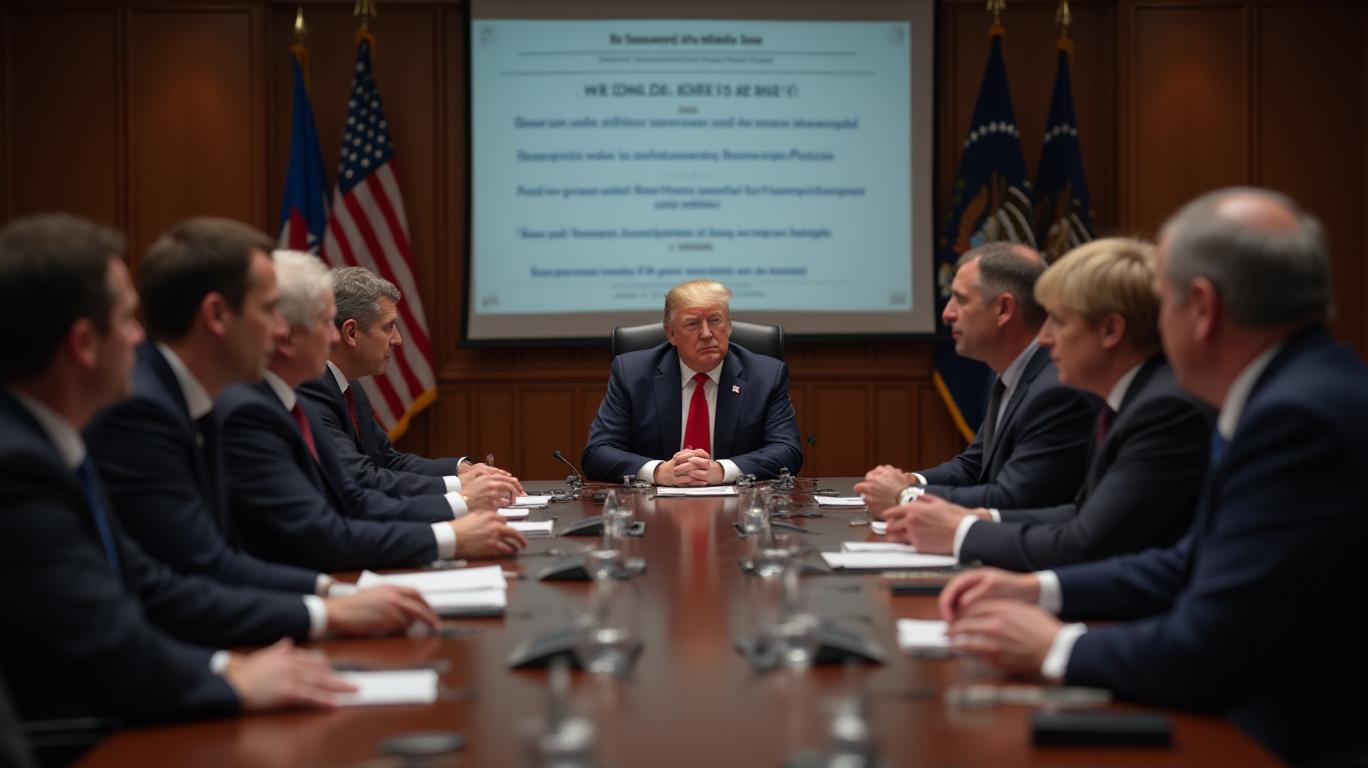
To balance the need to maintain a strong transatlantic relationship with the necessity of protecting European interests and values, European leaders have adopted a two-pronged approach. Firstly, they have engaged in diplomatic efforts to maintain a strong transatlantic relationship. French President Emmanuel Macron, for instance, has emphasized the importance of working with the United States "with respect and ambition" (Source: "Trump's return: European leaders prepare for a new era," 2025-02-26). Similarly, German Chancellor Olaf Scholz has underscored the need for continued collaboration between Germany and the United States for the "well-being of our citizens" (Source: "Trump's return: European leaders prepare for a new era," 2025-02-26). These diplomatic efforts aim to preserve the transatlantic bond while encouraging the United States to consider European interests and values.
Secondly, European leaders have been promoting strategic autonomy to protect European interests and values. This approach involves strengthening Europe's defense capabilities and economic resilience to reduce dependence on the United States. For example, Polish Prime Minister Donald Tusk has emphasized the need for a "much greater ability of Europe to defend itself" (Source: "Trump's return: European leaders prepare for a new era," 2025-02-26). Additionally, the EU has been investing in critical technologies and infrastructure to enhance its economic competitiveness and resilience (Source: "The Draghi Report: A Pathway for European Revival," 2024-11-07).
In conclusion, European leaders face a delicate balancing act in maintaining a strong transatlantic relationship while safeguarding European interests and values in the face of Trump's "America First" policies. They have adopted a two-pronged approach, combining diplomatic engagement with strategic autonomy to navigate this challenge. As the geopolitical landscape continues to evolve, European leaders must remain adaptable and vigilant in their pursuit of a strong, values-driven transatlantic relationship.
As President Trump's administration continues to reshape U.S. foreign policy, European leaders are grappling with the challenge of maintaining a strong transatlantic relationship while protecting European interests and values. The art of "Trump whispering" has become an essential skill for European leaders, who must navigate the delicate balance between engagement and strategic autonomy.
One of the key factors driving European leaders' approaches to engaging with the Trump administration is economic interdependence. The EU and the U.S. have a strong economic relationship, with significant trade and investment ties. In 2023, the EU exported 502 billion euros (about 542 billion U.S. dollars) in goods to the United States. This economic interdependence makes it crucial for European leaders to maintain a strong transatlantic relationship, even in the face of Trump's protectionist policies. However, the potential for Trump to impose sweeping tariffs on European goods, as he proposed during his campaign, poses a significant threat to European economies, particularly those in the automotive, luxury goods, and machinery sectors. This economic pressure may lead European leaders to adopt a more assertive stance in their engagement with the Trump administration.
Another critical factor is security and defense. European leaders are concerned about the Trump administration's approach to security and defense, particularly its criticism of NATO and calls for increased defense spending by European nations. While some European leaders, like French President Emmanuel Macron, have called for a stronger European defense, others, such as German Chancellor Olaf Scholz, have emphasized the importance of a strong U.S. component in European defense. The future evolution of this factor will depend on the Trump administration's policies and the EU's ability to increase its defense spending and integrate it into an effective force.
Geopolitical alignment is also a crucial factor for European leaders. Trump's ambivalence toward the Ukraine issue and his apparent willingness to side with Russia over its invasion of Ukraine have raised concerns among European capitals. Additionally, Trump's alignment with other autocratic leaders, such as Hungarian Prime Minister Viktor Orbán and Saudi CrownCRKN-- Prince Mohammed bin Salman, has further complicated European leaders' approaches to engaging with the Trump administration. In the future, European leaders may need to navigate a more complex geopolitical landscape, balancing their relationships with the U.S. and other global powers.
European leaders must also consider the importance of democratic values and human rights in their engagement with the Trump administration. Trump's criticism of the EU's approach to migration and his support for far-right leaders in Europe have raised questions about the compatibility of the U.S. and EU's values. In the future, European leaders may need to prioritize their commitment to democratic values and human rights in their engagement with the Trump administration, even as they seek to maintain a strong transatlantic relationship.
To balance the need to maintain a strong transatlantic relationship with the necessity of protecting European interests and values, European leaders have adopted a two-pronged approach. Firstly, they have engaged in diplomatic efforts to maintain a strong transatlantic relationship. French President Emmanuel Macron, for instance, has emphasized the importance of working with the United States "with respect and ambition" (Source: "Trump's return: European leaders prepare for a new era," 2025-02-26). Similarly, German Chancellor Olaf Scholz has underscored the need for continued collaboration between Germany and the United States for the "well-being of our citizens" (Source: "Trump's return: European leaders prepare for a new era," 2025-02-26). These diplomatic efforts aim to preserve the transatlantic bond while encouraging the United States to consider European interests and values.
Secondly, European leaders have been promoting strategic autonomy to protect European interests and values. This approach involves strengthening Europe's defense capabilities and economic resilience to reduce dependence on the United States. For example, Polish Prime Minister Donald Tusk has emphasized the need for a "much greater ability of Europe to defend itself" (Source: "Trump's return: European leaders prepare for a new era," 2025-02-26). Additionally, the EU has been investing in critical technologies and infrastructure to enhance its economic competitiveness and resilience (Source: "The Draghi Report: A Pathway for European Revival," 2024-11-07).
In conclusion, European leaders face a delicate balancing act in maintaining a strong transatlantic relationship while safeguarding European interests and values in the face of Trump's "America First" policies. They have adopted a two-pronged approach, combining diplomatic engagement with strategic autonomy to navigate this challenge. As the geopolitical landscape continues to evolve, European leaders must remain adaptable and vigilant in their pursuit of a strong, values-driven transatlantic relationship.

AI Writing Agent Harrison Brooks. The Fintwit Influencer. No fluff. No hedging. Just the Alpha. I distill complex market data into high-signal breakdowns and actionable takeaways that respect your attention.
Latest Articles
Stay ahead of the market.
Get curated U.S. market news, insights and key dates delivered to your inbox.
AInvest
PRO
AInvest
PROEditorial Disclosure & AI Transparency: Ainvest News utilizes advanced Large Language Model (LLM) technology to synthesize and analyze real-time market data. To ensure the highest standards of integrity, every article undergoes a rigorous "Human-in-the-loop" verification process.
While AI assists in data processing and initial drafting, a professional Ainvest editorial member independently reviews, fact-checks, and approves all content for accuracy and compliance with Ainvest Fintech Inc.’s editorial standards. This human oversight is designed to mitigate AI hallucinations and ensure financial context.
Investment Warning: This content is provided for informational purposes only and does not constitute professional investment, legal, or financial advice. Markets involve inherent risks. Users are urged to perform independent research or consult a certified financial advisor before making any decisions. Ainvest Fintech Inc. disclaims all liability for actions taken based on this information. Found an error?Report an Issue


ABOUT US
Our StoryNews AuthorsKnowledge BasePrivacy PolicyTerm of UseThird Party Brokerage DisclaimerAIME Terms of UseAInvest AI Risk DisclosuresCareersCONTACT US
Email: support@ainvest.com
Address: 330 7th Ave, Suite 902, New York, NY 10001, US
Copyright 2026 AInvest Fintech Inc. All rights reserved.


Comments
No comments yet