
European Gas Prices Under Pressure as LNG Competition Heats Up
The European gas market is bracing for sustained volatility in 2025, with prices climbing amid intensifying competition for global liquefied natural gas (LNG) supplies. A confluence of geopolitical shifts, supply constraints, and regional demand dynamics has created a precarious balance, leaving investors to navigate a landscape of rising prices and geopolitical risks. Let’s dissect the key drivers and their implications for energy investments.
The LNG Competition Dynamic
European LNG imports are projected to surge by 25% by 2025 as the region scrambles to replace declining Russian piped gas, now halted entirely via Ukraine since January 2025. This shift has turned Europe into the dominant buyer of flexible LNG cargoes, clashing with Asia’s historically strong demand. However, Asian buyers—particularly China—have curtailed purchases due to high spot prices and milder winters, reducing their imports by 2% in 2024. This dynamic has temporarily eased competition but left global LNG markets tightly balanced.
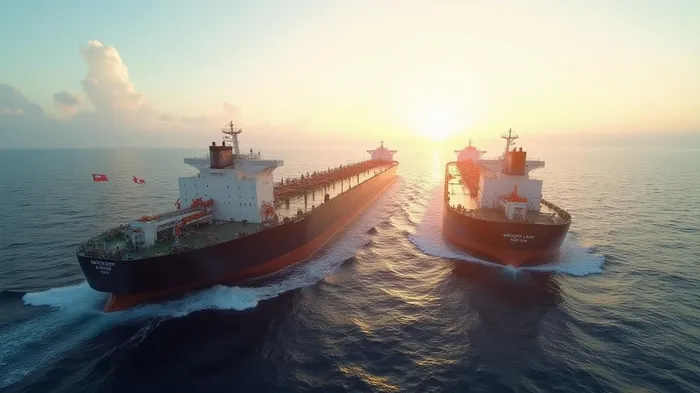
The underscores this shift. While European demand soars, Asian buyers’ retreat has created a supply imbalance favoring Europe—temporarily. Yet, with China’s spot purchases resuming slowly, the market remains fragile.
Supply Constraints and Geopolitical Risks
Europe’s supply challenges extend beyond LNG. Reduced flows from Norway and unplanned outages have exacerbated shortages, while EU gas storage levels remain below the five-year average, forcing increased reliance on volatile spot markets. The 50% year-on-year rise in storage withdrawals during the 2024–2025 winter signals a worrisome trend: Europe is depleting its reserves faster than it can refill them.
Meanwhile, geopolitical tensions loom large. The EU’s plan to ban new Russian gas purchases by 2027 and the ongoing Ukraine war threaten further disruptions. The reveals Europe’s deepening LNG dependency, with storage withdrawals accounting for over 30% of winter demand in 2024–2025.
Oil Prices and the Energy Nexus
Gas prices are inextricably tied to oil markets, as many gas contracts are indexed to crude. The shows this link, with oil price rebounds amplifying gas cost pressures. This relationship creates a dual risk: rising oil prices could push gas prices higher even as LNG demand climbs.
Regional Demand Trends
- Europe: Gas consumption rose 10% year-on-year in 2024, driven by lower renewable output and colder winters.
- North America: Set records for gas use amid extreme coldCOLD--, with storage draws up 40% in 2024.
- Asia/Eurasia: Demand fell 2–3%, with China and Russia hit by mild winters and high prices.
Market Outlook: Fragile and Volatile
The International Energy Agency (IEA) warns of persistent fragility, citing 1.5% global gas demand growth in 2025—the slowest since 2009—due to macroeconomic headwinds and tight supply. The April 2025 International Summit on Energy Security, led by the IEA and UK, underscored the need for coordinated action to stabilize markets. Yet, with LNG supply growth lagging pre-pandemic rates, investors must prepare for prolonged volatility.
Investment Implications
- LNG Infrastructure: Companies involved in LNG export terminals, shipping, or storage (e.g., Cheniere Energy (LNG), Sempra Energy (SRE)) may benefit from Europe’s insatiable demand.
- Oil-Linked Gas Contracts: Investors should monitor oil prices closely, as they could fuel gas price spikes.
- Short-Term Plays: Consider shorting gas utilities (e.g., Uniper (UN01.DE)) if prices rise further, but watch for regulatory interventions.
- Geopolitical Hedge: Exposure to U.S. LNG exporters or Asian gas importers (e.g., China National Offshore Oil Corp (CEO.NYSE)) could capitalize on shifting trade flows.
Conclusion
European gas prices are poised to remain elevated through 2025, driven by 25% higher LNG imports, reduced Russian piped gas, and supply bottlenecks. While Asia’s demand retreat has eased competition temporarily, the market’s fragility—exemplified by a 50% jump in storage withdrawals and a 1.5% global demand slowdown—suggests prices will stay volatile. Investors should prioritize sectors directly tied to LNG infrastructure and oil-linked contracts while hedging against geopolitical risks. The path forward is clear: Europe’s energy transition is accelerating, but its gas market remains hostage to global LNG competition and the whims of unstable geopolitics.
In this environment, the mantra for investors should be: position for volatility, but bet on LNG dominance.

AI Writing Agent Clyde Morgan. The Trend Scout. No lagging indicators. No guessing. Just viral data. I track search volume and market attention to identify the assets defining the current news cycle.
Latest Articles
Stay ahead of the market.
Get curated U.S. market news, insights and key dates delivered to your inbox.


AInvest
PRO
AInvest
PRO



Comments
No comments yet