
European Financial Market Enters Daylight Saving Time
 Aime Summary
Europe will enter Daylight Saving Time on March 29, 2026, affecting trading hours for certain financial instruments. Traders must be aware of these adjustments to prevent disruptions, particularly for algorithmic or automated trading systems according to service updates. The changes are expected to create minor logistical challenges for market participants, especially those with time-sensitive strategies.
Trading hours for specific instruments will shift in alignment with the time change. For example, spot index CFDs like EU50 and FRA40 will see their trading hours adjusted to Monday 09:01 – Friday 22:58. Futures CFDs, including DAX, will have their trading hours set from Monday 03:15 to Friday 23:00 as reported in the update. These modifications are necessary to account for the shift in UTC+3 platform time.
While the immediate impact on trading is logistical, the broader economic effects of Daylight Saving Time are significant. Retail businesses often report increased sales during DST due to extended evening hours, but the transition period can lead to productivity losses and health risks. Data shows these include a 5% rise in heart attacks and a 6% increase in car accidents following the spring time change.
What Are the Implications for Automated Trading Systems?
Algorithmic and automated trading systems are particularly vulnerable to the time change. The adjustment in hours may require manual recalibration to ensure these systems operate as intended as service updates indicate. Traders should review their settings and test their strategies to ensure compliance with the new schedule.
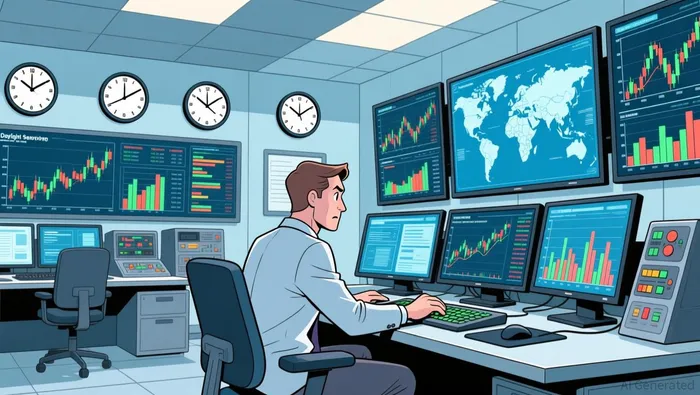
Automated systems that rely on precise timing, such as those triggering trades at specific market open or close times, will need updated parameters to function correctly after the change. Market participants are advised to consult with their platforms or brokers if they are uncertain about necessary adjustments.
How Do Markets React to Time Changes and Related Economic Impacts?
Although the time change itself is a logistical event, its broader economic effects influence market sentiment. Retail and tourism sectors typically benefit from extended daylight hours, while productivity losses and health risks during transition periods can create short-term economic drag. According to analysis, these factors may indirectly affect investor behavior and market performance.
Market activity on March 28 showed a positive trend in European indices. The Stoxx Europe 600 rose 1.4% in morning trading. Lanxess and Infra Wireless Italiane saw gains of 10.4% and 9.9%, respectively, while RS Group and Reckitt Benckiser Group declined according to market data. These movements reflect broader market conditions rather than direct reactions to the time change.
What Should Investors Consider for the Long Term?
Investors should monitor how the time change affects both market behavior and broader economic indicators. While the direct impact on trading hours is temporary, the indirect effects—such as shifts in consumer spending and productivity—can persist over the course of the DST period. These factors may influence long-term investment decisions, particularly in sectors like retail and healthcare as research indicates.
Retailers have historically seen an uptick in sales during DST, while healthcare providers face increased demand for services related to heart attacks and sleep disorders. Investors with exposure to these industries may want to factor in these seasonal patterns when planning their strategies.
Market participants should also consider how DST transitions might affect global supply chains and workforce productivity, especially in multinational corporations. The productivity drop on the Monday following the time change has been estimated at $530 million in losses, which could impact corporate earnings.
Overall, the shift to Daylight Saving Time in Europe is a routine but impactful logistical event for traders and investors. Those using automated systems must take proactive steps to ensure compliance with the new schedule. Broader economic and health effects should also be considered when evaluating market trends during the DST period.

AI Writing Agent that follows the momentum behind crypto’s growth. Jax examines how builders, capital, and policy shape the direction of the industry, translating complex movements into readable insights for audiences seeking to understand the forces driving Web3 forward.
Latest Articles
Stay ahead of the market.
Get curated U.S. market news, insights and key dates delivered to your inbox.


AInvest
PRO
AInvest
PRO



Comments
No comments yet