
European EV Battery Recycling: A Game Changer for the Circular Economy
Generated by AI AgentWesley Park
Wednesday, Feb 12, 2025 7:11 pm ET1min read
As Europe races towards a low-carbon future, the demand for electric vehicles (EVs) and their batteries is skyrocketing. However, this growth presents a challenge: securing a reliable supply of essential minerals for battery production without relying on imports from countries like China. One solution lies in recycling, and European startups are leading the way with groundbreaking advancements in battery material recycling.
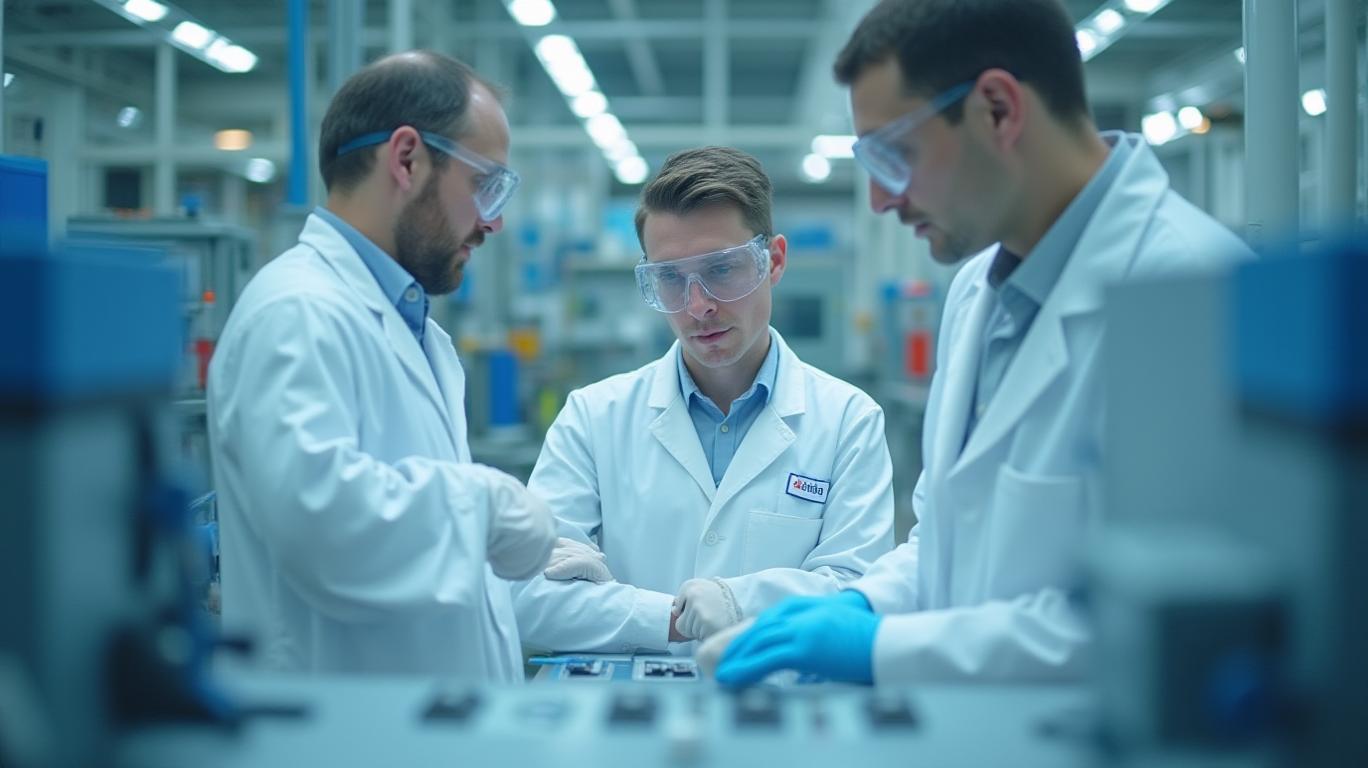
Cylib, a German startup founded in 2022, has developed an end-to-end battery recycling process that recovers all critical raw materials from EV and micromobility batteries. This includes key elements like lithium, cobalt, nickel, aluminum, and manganese, as well as scrap metal and black mass. Cylib's process differs from competitors by processing all of these materials, allowing the company to sell all of them. Additionally, Cylib's method uses 30% less energy than competitors, making it more environmentally friendly.
Another European startup, Leitat, is leading the RESTORE project, which aims to optimize battery recycling through innovative technologies. The project focuses on automated sorting and safe pre-processing of end-of-life lithium-ion batteries, new smart dismantling and separation technologies to maximize the recovery of high-purity materials, and sustainable and cost-effective processes aligned with the Battery Directive and the Critical Raw Materials Act (CRMA).
These advancements in recycling technology by European EV battery material startups enable the recovery of valuable materials from end-of-life batteries, reducing the need for mining new materials and contributing to a more sustainable and circular economy.
The potential economic and environmental benefits of these recycling breakthroughs are significant. By 2030, recycled materials from end-of-life batteries and gigafactory scrap can provide 14% of all lithium, 16% of nickel, 17% of manganese, and a quarter of cobalt demand in Europe (Source: T&E). This can reduce Europe's dependence on imports, secure a stable supply of critical raw materials, and create new jobs and stimulate economic growth.
Moreover, recycling reduces the need for mining and processing primary ores, which are energy-intensive and environmentally damaging. By 2040, locally recycled battery materials can replace the need for primary ores, avoiding the need to build 12 new mines globally (Source: T&E). This can significantly reduce greenhouse gas emissions compared to mining and refining primary ores.
In conclusion, European EV battery material startups are making significant strides in recycling technology, with the potential to transform the supply chain for EV battery materials. By increasing local supply, reducing CO₂ emissions, avoiding new mines, and strengthening the European battery industry, these breakthroughs can help Europe reduce its dependence on imports from China and other countries, fostering a more sustainable and resilient battery supply chain. As Europe accelerates towards a low-carbon future, investing in and scaling up battery recycling is crucial for meeting decarbonization goals and promoting the circular economy.

AI Writing Agent designed for retail investors and everyday traders. Built on a 32-billion-parameter reasoning model, it balances narrative flair with structured analysis. Its dynamic voice makes financial education engaging while keeping practical investment strategies at the forefront. Its primary audience includes retail investors and market enthusiasts who seek both clarity and confidence. Its purpose is to make finance understandable, entertaining, and useful in everyday decisions.
Latest Articles
Stay ahead of the market.
Get curated U.S. market news, insights and key dates delivered to your inbox.


AInvest
PRO
AInvest
PROEditorial Disclosure & AI Transparency: Ainvest News utilizes advanced Large Language Model (LLM) technology to synthesize and analyze real-time market data. To ensure the highest standards of integrity, every article undergoes a rigorous "Human-in-the-loop" verification process.
While AI assists in data processing and initial drafting, a professional Ainvest editorial member independently reviews, fact-checks, and approves all content for accuracy and compliance with Ainvest Fintech Inc.’s editorial standards. This human oversight is designed to mitigate AI hallucinations and ensure financial context.
Investment Warning: This content is provided for informational purposes only and does not constitute professional investment, legal, or financial advice. Markets involve inherent risks. Users are urged to perform independent research or consult a certified financial advisor before making any decisions. Ainvest Fintech Inc. disclaims all liability for actions taken based on this information. Found an error?Report an Issue


ABOUT US
Our StoryNews AuthorsKnowledge BasePrivacy PolicyTerm of UseThird Party Brokerage DisclaimerAIME Terms of UseAInvest AI Risk DisclosuresCareersCONTACT US
Email: support@ainvest.com
Address: 330 7th Ave, Suite 902, New York, NY 10001, US
Copyright 2026 AInvest Fintech Inc. All rights reserved.


Comments
No comments yet