
European diplomat told Al Arabiya: UN supervision of the Strait of Hormuz is the best way to guarantee security
European governments and financial analysts are increasingly concerned about the economic fallout from the ongoing instability in the Strait of Hormuz, with some advocating for international oversight to stabilize global energy markets. The Strait, through which approximately 20% of the world’s oil and liquefied natural gas transit, has seen repeated attacks on cargo ships and energy infrastructure since the escalation of hostilities between Iran and U.S.-aligned forces on 28 February according to Euronews. These disruptions have pushed oil prices above $100 per barrel, exacerbating inflationary pressures and straining energy-dependent economies according to Euronews.
While Iran’s ambassador to the UN in Geneva, Ali Bahreini, asserted that Tehran does not seek to block the Strait, he acknowledged that Iran would restrict access for vessels from countries participating in the conflict according to Euronews. This stance contrasts with earlier statements from hardline cleric Mojtaba Khamenei, who reportedly threatened to keep the waterway closed according to Euronews. The ambiguity has fueled uncertainty among traders and investors, with European nations like Italy, Ireland, and Hungary warning of severe impacts on agricultural exports and fertilizer supplies according to Politico.
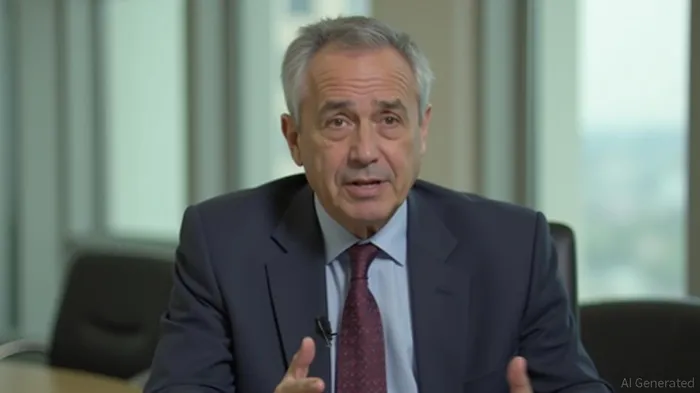
A European diplomat, speaking to Al Arabiya, emphasized that UN supervision of the Strait would be the most effective way to ensure its security and prevent further market volatility according to the European Commission. This proposal aligns with broader calls for de-escalation, though Iran’s readiness for prolonged conflict and its threats to target military bases—potentially including European sites—complicate prospects for immediate resolution according to Euronews. As oil prices remain volatile and global trade routes face disruption, stakeholders are closely monitoring diplomatic efforts to secure the Strait and mitigate economic risks.
Stay ahead of the market.
Get curated U.S. market news, insights and key dates delivered to your inbox.


AInvest
PRO
AInvest
PRO



Comments
No comments yet