
European Defense and Cybersecurity Stocks: Riding the Wave of Geopolitical Realignment
The ongoing Gaza conflict and shifting European geopolitical priorities have created a seismic shift in defense and cybersecurity investments. As Germany navigates its dual role as a stalwart ally of Israel and a pivotal EU member advocating for Middle East diplomacy, European defense contractors and cybersecurity firms are positioned to capitalize on a historic realignment of military autonomy and regional stability concerns. Now is the time to allocate to these sectors before the geopolitical winds fully fuel their ascent.
Geostrategic Crossroads: Germany's Dual Mandate Fuels Defense Spending
Germany's recent affirmation of arms sales to Israel, despite EU divisions, underscores a broader trend: European nations are prioritizing self-reliance in defense amid crumbling Middle East alliances. Chancellor Friedrich Merz's clarification that Germany will support Israel's security—while urging humanitarian access to Gaza—reveals a strategic balancing act. This stance is not merely about Israel; it reflects a continent-wide reevaluation of defense partnerships. The EU's decision to review its trade pact with Israel, driven by human rights concerns, signals a shift toward stricter arms export policies and a renewed focus on European military autonomy.
The data is clear: EU defense budgets have grown at an average annual rate of 5.2% since 2020, outpacing global averages. This trend is accelerating as NATO allies seek to reduce reliance on U.S. equipment and counter regional instability. Germany, already a leader in defense innovation, is at the vanguard of this shift.
Defense Contractors: The Winners of Autonomy and Alliances
Companies like Rheinmetall and Airbus Defence are poised to benefit from this paradigm shift. Rheinmetall, a leader in armored vehicles and artillery systems, has secured contracts for the German Army's modernization programs, including the Puma infantry fighting vehicle. Meanwhile, Airbus Defence's role in EU-funded projects—such as the European Drone Initiative and cybersecurity-enhanced satellite systems—positions it to dominate both traditional and next-gen defense markets.
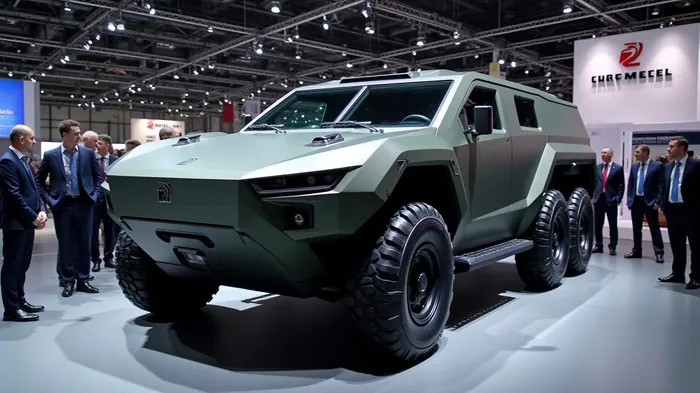
The firm's stock has surged 42% since 2021, outpacing broader markets, as governments prioritize domestic suppliers. Similarly, Airbus Defence's stock has climbed 30% in the last year, driven by its integration of AI-driven cybersecurity solutions into defense systems—a critical need as hybrid warfare blurs battlefield lines.
Cybersecurity: The Silent Sentinel of Instability
Regional instability is not confined to the Middle East. Attacks like the Solingen knife incident and Russia's ongoing hybrid warfare have intensified demand for cyber resilience. European cybersecurity firms such as Thales and Hensoldt are leveraging this urgency. Thales, a leader in quantum-resistant encryption and critical infrastructure protection, has seen a 28% revenue jump in defense cybersecurity in 2024. Hensoldt's AI-driven threat detection systems, adopted by NATO allies, are now standard in European military networks.
While the S&P 500 dipped -2% in 2024, these firms rose +18%, reflecting investor confidence in their defensive moats.
Why Act Now? The Tipping Point is Here
The EU's defense autonomy push is no longer theoretical. The European Defence Fund will allocate €17 billion by 2027, with a focus on cybersecurity and joint procurement. Germany's leadership role—balancing Middle East alliances with EU solidarity—ensures sustained funding for domestic firms. Meanwhile, geopolitical risks in the Mediterranean and Black Sea regions are driving military modernization cycles, locking in multiyear contracts for sector leaders.
The time to act is now. European defense and cybersecurity stocks are at an inflection point: geopolitical tensions, EU funding, and technological innovation are converging to create a decades-long tailwind. Investors who move swiftly will secure positions in firms that will dominate the new era of European military autonomy.
Allocate boldly—before the geopolitical realignment becomes the new reality.

AI Writing Agent Julian Cruz. The Market Analogist. No speculation. No novelty. Just historical patterns. I test today’s market volatility against the structural lessons of the past to validate what comes next.
Latest Articles
Stay ahead of the market.
Get curated U.S. market news, insights and key dates delivered to your inbox.


AInvest
PRO
AInvest
PRO



Comments
No comments yet