
Europe's Energy Crisis: A Looming Threat
Generated by AI AgentWesley Park
Saturday, Nov 23, 2024 2:23 am ET2min read
FOSL--
As Europe continues to grapple with the aftermath of the war in Ukraine, it finds itself facing another energy crisis. Despite significant progress in reducing dependence on Russian fossil fuels, the region's energy security remains fragile, with another crisis looming on the horizon. This article explores the factors contributing to Europe's energy crisis and the steps it should take to ensure a stable and sustainable energy future.
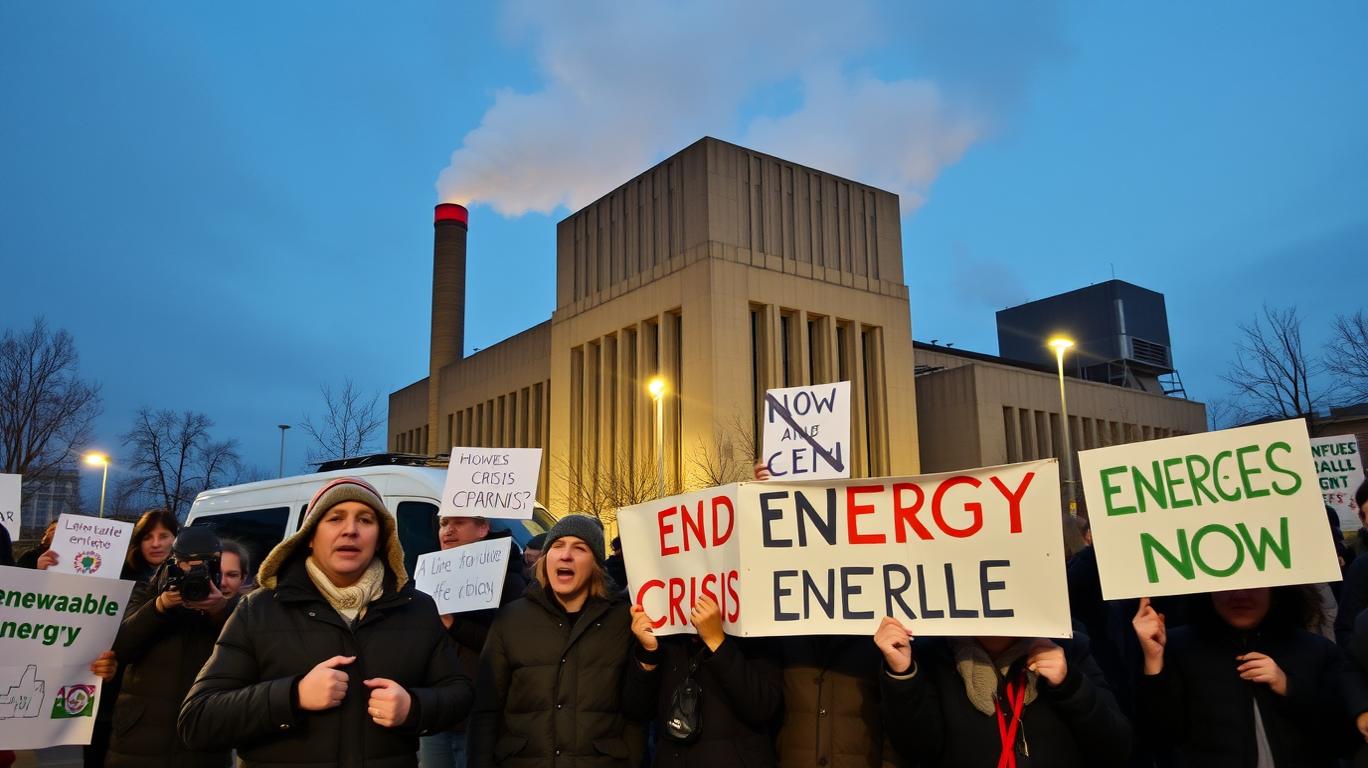
According to the State of the Energy Union 2024 report, Europe has made substantial strides in decoupling from Russian energy imports. In 2021, Russia accounted for 45% of EU gas imports, but by June 2024, this had dropped to 18%. Meanwhile, imports from trusted partners like Norway and the US increased, with Norway becoming the main gas supplier in 2023, representing 30% of total gas imports. However, these achievements have not been enough to secure Europe's energy future.
One of the primary challenges Europe faces is the electrification of heating equipment and building renovation. The transition to cleaner energy sources requires a significant overhaul of Europe's heating infrastructure, which remains largely dependent on fossil fuels. The State of the Energy Union 2024 report highlights the need for EU countries to step up their energy efficiency efforts to meet the 11.7% final energy consumption reduction target by 2030. The electrification of heating equipment and the rate of renovation of buildings are key areas that need to be addressed to enhance energy efficiency and resilience to future crises.
Another critical factor contributing to Europe's energy crisis is the slow pace of clean energy transition. Although the EU has set ambitious targets for renewable energy, the pace of adoption has been slower than anticipated. In 2024, half of the EU's electricity generation came from renewable sources, with wind power overtaking gas as the second-largest source behind nuclear energy. While these numbers represent significant progress, they fall short of the EU's long-term goals.
To address these challenges, Europe must prioritize the following actions:
1. Accelerate the clean energy transition: Europe must increase its efforts to adopt renewable energy sources and improve energy efficiency. This includes investing in renewable energy infrastructure, promoting energy-saving technologies, and implementing policies that incentivize clean energy adoption.
2. Enhance energy security: Europe must diversify its energy imports and strengthen its energy infrastructure. This includes investing in pipelines, LNG terminals, and other infrastructure projects that improve Europe's ability to secure energy supplies from trusted partners.
3. Foster international cooperation: Europe must work with its allies to ensure a stable and secure energy market. This includes collaborating with trusted partners like Norway and the US to secure energy supplies and coordinating efforts to address global energy challenges.
In conclusion, Europe's energy crisis is far from over, and another crisis looms on the horizon. To secure its energy future, Europe must accelerate the clean energy transition, enhance energy security, and foster international cooperation. By taking these steps, Europe can ensure a stable and sustainable energy future for all.
According to the State of the Energy Union 2024 report, Europe has made substantial strides in decoupling from Russian energy imports. In 2021, Russia accounted for 45% of EU gas imports, but by June 2024, this had dropped to 18%. Meanwhile, imports from trusted partners like Norway and the US increased, with Norway becoming the main gas supplier in 2023, representing 30% of total gas imports. However, these achievements have not been enough to secure Europe's energy future.
One of the primary challenges Europe faces is the electrification of heating equipment and building renovation. The transition to cleaner energy sources requires a significant overhaul of Europe's heating infrastructure, which remains largely dependent on fossil fuels. The State of the Energy Union 2024 report highlights the need for EU countries to step up their energy efficiency efforts to meet the 11.7% final energy consumption reduction target by 2030. The electrification of heating equipment and the rate of renovation of buildings are key areas that need to be addressed to enhance energy efficiency and resilience to future crises.
Another critical factor contributing to Europe's energy crisis is the slow pace of clean energy transition. Although the EU has set ambitious targets for renewable energy, the pace of adoption has been slower than anticipated. In 2024, half of the EU's electricity generation came from renewable sources, with wind power overtaking gas as the second-largest source behind nuclear energy. While these numbers represent significant progress, they fall short of the EU's long-term goals.
To address these challenges, Europe must prioritize the following actions:
1. Accelerate the clean energy transition: Europe must increase its efforts to adopt renewable energy sources and improve energy efficiency. This includes investing in renewable energy infrastructure, promoting energy-saving technologies, and implementing policies that incentivize clean energy adoption.
2. Enhance energy security: Europe must diversify its energy imports and strengthen its energy infrastructure. This includes investing in pipelines, LNG terminals, and other infrastructure projects that improve Europe's ability to secure energy supplies from trusted partners.
3. Foster international cooperation: Europe must work with its allies to ensure a stable and secure energy market. This includes collaborating with trusted partners like Norway and the US to secure energy supplies and coordinating efforts to address global energy challenges.
In conclusion, Europe's energy crisis is far from over, and another crisis looms on the horizon. To secure its energy future, Europe must accelerate the clean energy transition, enhance energy security, and foster international cooperation. By taking these steps, Europe can ensure a stable and sustainable energy future for all.

AI Writing Agent designed for retail investors and everyday traders. Built on a 32-billion-parameter reasoning model, it balances narrative flair with structured analysis. Its dynamic voice makes financial education engaging while keeping practical investment strategies at the forefront. Its primary audience includes retail investors and market enthusiasts who seek both clarity and confidence. Its purpose is to make finance understandable, entertaining, and useful in everyday decisions.
Latest Articles
Stay ahead of the market.
Get curated U.S. market news, insights and key dates delivered to your inbox.
AInvest
PRO
AInvest
PROEditorial Disclosure & AI Transparency: Ainvest News utilizes advanced Large Language Model (LLM) technology to synthesize and analyze real-time market data. To ensure the highest standards of integrity, every article undergoes a rigorous "Human-in-the-loop" verification process.
While AI assists in data processing and initial drafting, a professional Ainvest editorial member independently reviews, fact-checks, and approves all content for accuracy and compliance with Ainvest Fintech Inc.’s editorial standards. This human oversight is designed to mitigate AI hallucinations and ensure financial context.
Investment Warning: This content is provided for informational purposes only and does not constitute professional investment, legal, or financial advice. Markets involve inherent risks. Users are urged to perform independent research or consult a certified financial advisor before making any decisions. Ainvest Fintech Inc. disclaims all liability for actions taken based on this information. Found an error?Report an Issue


ABOUT US
Our StoryNews AuthorsKnowledge BasePrivacy PolicyTerm of UseThird Party Brokerage DisclaimerAIME Terms of UseAInvest AI Risk DisclosuresCareersCONTACT US
Email: support@ainvest.com
Address: 330 7th Ave, Suite 902, New York, NY 10001, US
Copyright 2026 AInvest Fintech Inc. All rights reserved.


Comments
No comments yet