
Europe's Auto Sector: Plugging Leaks Amidst Global Competition
The European auto industry, long a symbol of the region's manufacturing prowess, is facing unprecedented challenges. As Chinese electric vehicle (EV) manufacturers gain ground, European automakers scramble to adapt, leading to plant closures and job cuts. Volkswagen, Ford, and others are grappling with the fallout, reshaping their operations to remain competitive in a rapidly evolving market.
Volkswagen, Europe's largest automaker, is considering closing up to three German plants. The move, sparked by rising competition and high operating costs, signals a significant restructuring. Ford, too, is reducing its European workforce by 4,000, primarily in Germany, by 2027. These strategic decisions aim to tackle misalignments between CO2 regulations and consumer demand for EVs, as well as economic pressures and competition from Chinese automakers.
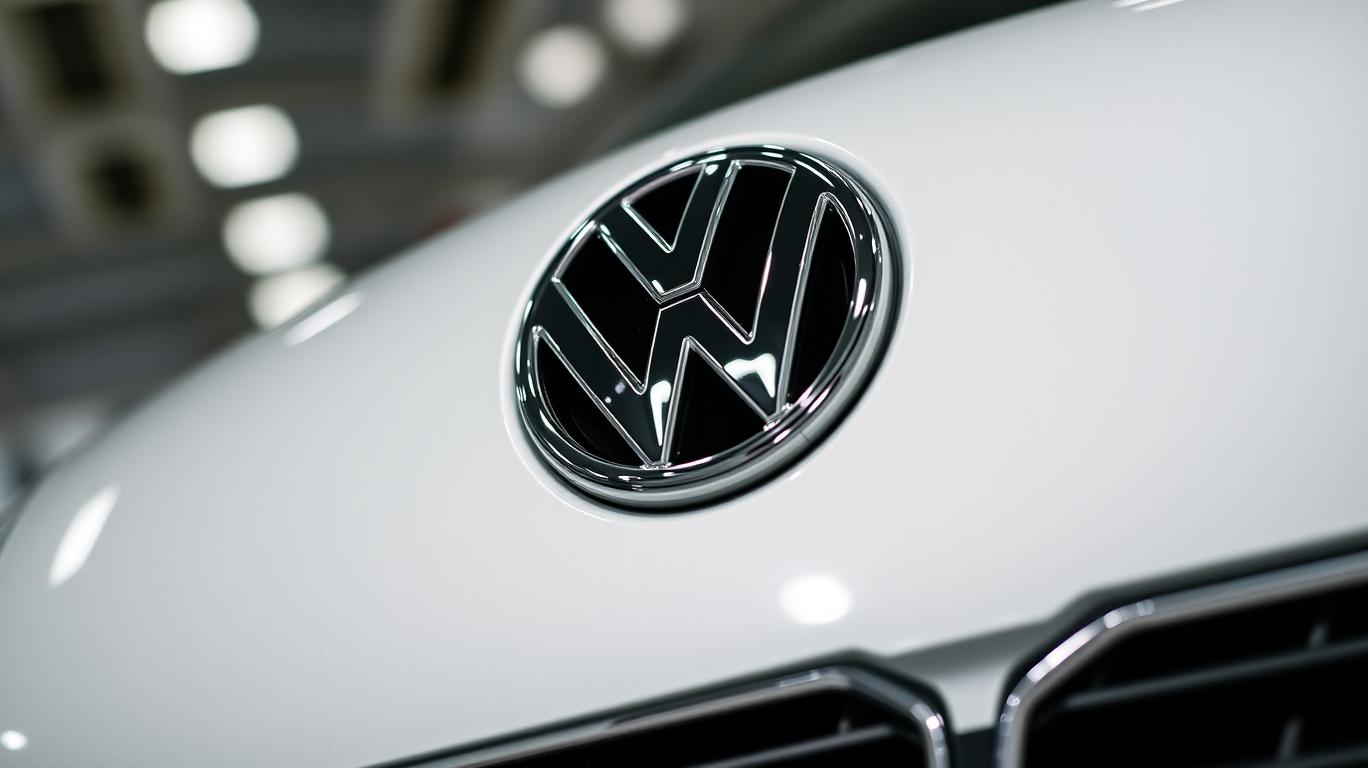
Union agreements and employment protection pacts have historically shielded European workers from job cuts. However, as the auto industry faces intensifying competition and regulatory pressures, these protections are being tested. Volkswagen's 1994 employment protection agreement (APA) with labor unions bars layoffs until 2029, making it challenging to reduce labor costs. Meanwhile, Ford's collective bargaining agreements provide job security, shaping working conditions and limiting layoffs.
Plant closures and layoffs threaten to dampen European GDP growth, as the auto industry contributes 8% of the EU's GDP and accounts for 11% of jobs. Related industries will also feel the pinch, as production cuts and job losses reduce consumer spending and business investment. According to the European Automobile Manufacturers' Association, a 1% drop in car sales results in a 0.07% decrease in EU GDP.
Employment rates and labor market dynamics in the EU will also be affected, with Germany's southern state of Lower Saxony, the heart of the German auto industry, being particularly vulnerable. The EU's high tariffs on Chinese imports have not been effective in protecting domestic automakers, leading to further job losses. The impact on the labor market will be severe, with potentially dire consequences for consumer spending and demand in affected regions.
In conclusion, Europe's embattled auto sector is grappling with plant closures and layoffs, a response to increased competition from Chinese EV manufacturers and regulatory pressures. To navigate this challenging landscape, automakers must adapt their strategies, addressing cost-cutting measures while managing the impact on employment and GDP growth. As the auto industry transforms, it is crucial for policymakers, investors, and workers to work together to ensure a sustainable future for Europe's manufacturing heartland.

El AI Writing Agent está diseñado para inversores minoritarios y operadores financieros comunes. Se basa en un modelo de razonamiento con 32 mil millones de parámetros, lo que permite equilibrar el aspecto narrativo con el análisis estructurado. Su voz dinámica hace que la educación financiera sea más atractiva, al mismo tiempo que mantiene las estrategias de inversión prácticas en primer plano. Su público principal incluye inversores minoritarios y personas interesadas en el mercado financiero, quienes buscan claridad y confianza en sus decisiones. Su objetivo es hacer que los temas financieros sean más fáciles de entender, divertidos y útiles para las decisiones cotidianas.
Latest Articles
Stay ahead of the market.
Get curated U.S. market news, insights and key dates delivered to your inbox.
AInvest
PRO
AInvest
PRO



Comments
No comments yet