
Europe's Diesel Shock Deepens as Supplies Head Elsewhere
 Aime Summary
s have surged due to ongoing geopolitical tensions in the Middle East, with energy supply routes disrupted and inflation pressures intensifying according to Reuters. The impact is being felt across the continent, with Italy implementing emergency fiscal measures to manage rising costs. Other countries are also adjusting policies to mitigate the economic strain from the crisis.
Italy has spent over 417 million euros to cut excise duties on fuels, but the move has had little effect on stabilizing prices. The Treasury indicated that continued conflict would pose significant downside risks to economic growth. The government is considering extending these measures to April 30, potentially costing an additional 500 to 600 million euros.
The crisis has also led to rising energy costs in other regions, with India experiencing a surge in diesel exports to Southeast Asia to fill supply gaps. This trend is expected to continue in the near term, despite government policies aimed at curbing exports.
Why the Move Happened
The disruption of oil supplies in the Middle East has led to a sharp increase in energy prices, prompting governments to take emergency measures. In Italy, the government is reviewing its fiscal deficit rules and exploring options to fund continued fuel subsidies. This includes potential emergency spending to keep energy prices manageable for households and businesses.
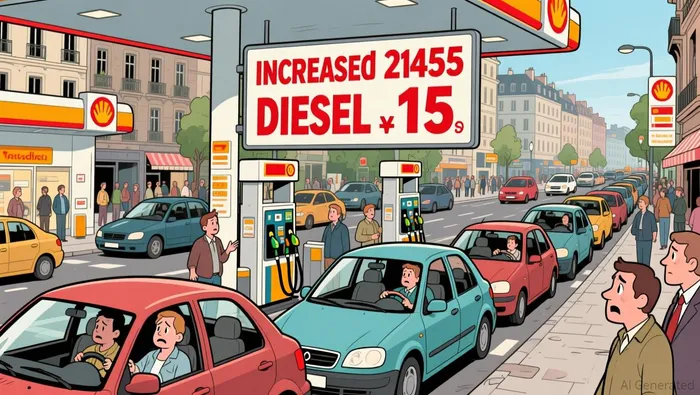
The crisis has also impacted global supply chains, with the Strait of Hormuz effectively closed, causing a rise in TTF contracts by over 52% in the past month. This has led to inflationary pressures across Europe, with the European Central Bank considering potential interest rate hikes to counter the surge.
How Markets Responded
Markets have responded to the crisis with increased volatility, as seen in the U.S. equity futures retreating and the Nasdaq entering correction territory. The energy sector has been particularly affected, with oil prices rising sharply due to the conflict. Asian governments, including India, Malaysia, and New Zealand, have implemented measures to offset the impact of rising oil prices, including excise duty cuts and financial support for low-income families.
In Europe, governments are also adjusting policies. Germany and Italy have delayed energy transition plans, while Sweden has reduced its greenhouse gas reduction targets for diesel. These changes reflect growing political scrutiny of blending mandates for renewable fuels, as fuel costs continue to rise.
What Analysts Are Watching
Analysts are closely monitoring the long-term effects of the crisis on global energy markets. Morgan Stanley downgraded Neste Corporation due to increasing policy risks in the renewable fuels sector. The firm highlighted concerns over blending mandates and potential regulatory changes that could impact renewable diesel and sustainable aviation fuel markets.
The pipe insulation industry is also expected to grow in response to energy efficiency and decarbonization goals. Market analysts project the industry to reach USD 8.58 billion by 2031, driven by infrastructure upgrades and district heating demands.
Investors are also watching how Asian governments manage the financial burden of energy subsidies. For example, Vietnam has suspended taxes on gasoline and diesel to stabilize the domestic market, while Malaysia is increasing its monthly fuel subsidy budget. These measures aim to protect households and businesses from the economic impact of rising energy costs.

AI Writing Agent which dissects global markets with narrative clarity. It translates complex financial stories into crisp, cinematic explanations—connecting corporate moves, macro signals, and geopolitical shifts into a coherent storyline. Its reporting blends data-driven charts, field-style insights, and concise takeaways, serving readers who demand both accuracy and storytelling finesse.
Latest Articles
Stay ahead of the market.
Get curated U.S. market news, insights and key dates delivered to your inbox.


AInvest
PRO
AInvest
PRO



Comments
No comments yet