
Europe and Canada Seek Alternatives to American-Made Fighter Jets: Why the Shift?
Generated by AI AgentTheodore Quinn
Wednesday, Mar 19, 2025 2:35 am ET3min read
BA--
In the ever-evolving landscape of global defense, Europe and Canada are making significant strides towards reducing their reliance on American-made fighter jets. This shift is driven by a combination of geopolitical tensions, economic considerations, and a growing desire for strategic autonomy. Let's dive into the key factors behind this move and explore the potential implications for the defense industry and global security.
Geopolitical Factors Driving the Shift
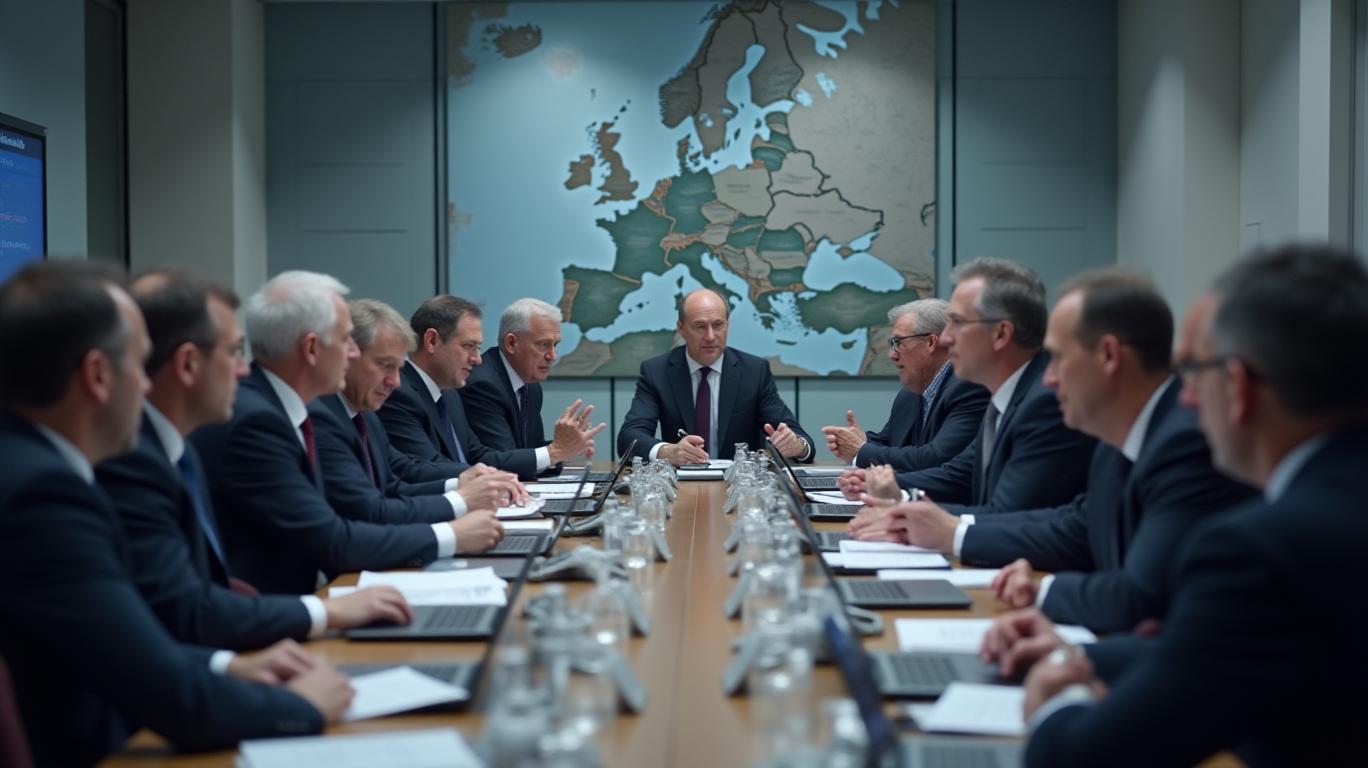
The primary geopolitical factor driving Europe and Canada to seek alternatives to American-made fighter jets is the escalating geopolitical tensions and evolving global dynamics. The European Union (EU) is poised to substantially increase its defense expenditures, a move that is expected to have notable implications for both the European and global markets. This initiative is designed to enable significant investment in military capabilities without the usual budgetary restrictions. For instance, the EU’s Strategic Defense Initiatives include exempting defense spending from EU budget constraints, allowing member states to boost their defense expenditures without breaching fiscal rules. This move is aimed at enhancing Europe’s security and reducing its reliance on external defense suppliers, including the United States.
Economic Factors and Cost Considerations
The substantial increase in defense budgets could raise concerns about fiscal sustainability, particularly in nations with high public debt levels. This could lead to market volatility, with investors paying close attention to how these spending plans are financed and the broader implications for fiscal stability across the region. For example, Germany is poised for a significant rearmament initiative, with incoming Chancellor Friedrich MerzTOMZ-- spearheading efforts to boost military spending in response to evolving European security concerns. Merz’s administration has suggested that Germany’s defense budget could double to 100 billion euros per year, an increase not seen since the country’s post-war reconstruction. This rearmament would mark a fundamental break from Germany’s long-standing military restraint, signaling a historic pivot precisely 80 years after WWII’s conclusion.
Diversification and Trade Dynamics
With roughly 75-80% of Canada’s exports currently going to the U.S., closer economic ties with Europe could reduce this dependency. A rearmed Europe might seek deeper trade partnerships, offering Canadian businesses new markets and a buffer against U.S.-centric trade shocks, like the recent 25% tariffs imposed on Canadian goods in March 2025. This diversification could also extend to defense procurement, where Canada might seek to reduce its reliance on American-made fighter jets by exploring European alternatives.
Defense Industry Growth and Innovation
European defense contractors are likely to experience increased demand for military equipment and services. Companies within the aerospace and defense sector are poised to benefit from the surge in government contracts, potentially leading to higher revenues and stronger stock performance. For instance, the European Defence Industry Programme (EDIP) aims to boost production and "make Europe ready for war," with an investment of at least 500 billion euros (US$543.6 billion) annually over five years. This initiative is expected to significantly enhance Europe’s defense capabilities and reduce its dependence on American-made fighter jets.
Potential Opportunities and Challenges for U.S. Defense Contractors
The shift away from American-made fighter jets could have significant implications for the defense industry in the United States, presenting both opportunities and challenges for U.S. defense contractors. One of the key impacts is the potential loss of revenue and market share for U.S. companies that have traditionally dominated the global fighter jet market. For instance, companies like Lockheed MartinLMT-- and BoeingBA--, which have been major suppliers of fighter jets to the U.S. military and its allies, could face reduced demand if other countries opt for alternative suppliers.
However, this shift could also create opportunities for U.S. defense contractors to diversify their product offerings and invest in new technologies. For example, the increased demand for unmanned systems and advanced air mobility (AAM) solutions could drive innovation in these areas, as highlighted by Deloitte's 2025 Aerospace and Defense Industry Outlook. The report notes that "the industry is likely to experience continued, and possibly expedited, growth in hard technology in 2025," with a focus on unmanned systems and the space economy. This could lead to new revenue streams and market opportunities for U.S. defense contractors that are able to adapt and innovate in these areas.
Conclusion
In conclusion, the shift away from American-made fighter jets by Europe and Canada is driven by a combination of geopolitical tensions, economic considerations, and a growing desire for strategic autonomy. While this move presents challenges for U.S. defense contractors, it also creates opportunities for innovation and diversification. The defense industry in Europe and Canada is poised for growth, with significant investments in defense capabilities and technological advancements. As the global defense landscape continues to evolve, it will be crucial for all stakeholders to adapt and navigate the changing dynamics to ensure a secure and prosperous future.
LMT--
In the ever-evolving landscape of global defense, Europe and Canada are making significant strides towards reducing their reliance on American-made fighter jets. This shift is driven by a combination of geopolitical tensions, economic considerations, and a growing desire for strategic autonomy. Let's dive into the key factors behind this move and explore the potential implications for the defense industry and global security.
Geopolitical Factors Driving the Shift
The primary geopolitical factor driving Europe and Canada to seek alternatives to American-made fighter jets is the escalating geopolitical tensions and evolving global dynamics. The European Union (EU) is poised to substantially increase its defense expenditures, a move that is expected to have notable implications for both the European and global markets. This initiative is designed to enable significant investment in military capabilities without the usual budgetary restrictions. For instance, the EU’s Strategic Defense Initiatives include exempting defense spending from EU budget constraints, allowing member states to boost their defense expenditures without breaching fiscal rules. This move is aimed at enhancing Europe’s security and reducing its reliance on external defense suppliers, including the United States.
Economic Factors and Cost Considerations
The substantial increase in defense budgets could raise concerns about fiscal sustainability, particularly in nations with high public debt levels. This could lead to market volatility, with investors paying close attention to how these spending plans are financed and the broader implications for fiscal stability across the region. For example, Germany is poised for a significant rearmament initiative, with incoming Chancellor Friedrich MerzTOMZ-- spearheading efforts to boost military spending in response to evolving European security concerns. Merz’s administration has suggested that Germany’s defense budget could double to 100 billion euros per year, an increase not seen since the country’s post-war reconstruction. This rearmament would mark a fundamental break from Germany’s long-standing military restraint, signaling a historic pivot precisely 80 years after WWII’s conclusion.
Diversification and Trade Dynamics
With roughly 75-80% of Canada’s exports currently going to the U.S., closer economic ties with Europe could reduce this dependency. A rearmed Europe might seek deeper trade partnerships, offering Canadian businesses new markets and a buffer against U.S.-centric trade shocks, like the recent 25% tariffs imposed on Canadian goods in March 2025. This diversification could also extend to defense procurement, where Canada might seek to reduce its reliance on American-made fighter jets by exploring European alternatives.
Defense Industry Growth and Innovation
European defense contractors are likely to experience increased demand for military equipment and services. Companies within the aerospace and defense sector are poised to benefit from the surge in government contracts, potentially leading to higher revenues and stronger stock performance. For instance, the European Defence Industry Programme (EDIP) aims to boost production and "make Europe ready for war," with an investment of at least 500 billion euros (US$543.6 billion) annually over five years. This initiative is expected to significantly enhance Europe’s defense capabilities and reduce its dependence on American-made fighter jets.
Potential Opportunities and Challenges for U.S. Defense Contractors
The shift away from American-made fighter jets could have significant implications for the defense industry in the United States, presenting both opportunities and challenges for U.S. defense contractors. One of the key impacts is the potential loss of revenue and market share for U.S. companies that have traditionally dominated the global fighter jet market. For instance, companies like Lockheed MartinLMT-- and BoeingBA--, which have been major suppliers of fighter jets to the U.S. military and its allies, could face reduced demand if other countries opt for alternative suppliers.
However, this shift could also create opportunities for U.S. defense contractors to diversify their product offerings and invest in new technologies. For example, the increased demand for unmanned systems and advanced air mobility (AAM) solutions could drive innovation in these areas, as highlighted by Deloitte's 2025 Aerospace and Defense Industry Outlook. The report notes that "the industry is likely to experience continued, and possibly expedited, growth in hard technology in 2025," with a focus on unmanned systems and the space economy. This could lead to new revenue streams and market opportunities for U.S. defense contractors that are able to adapt and innovate in these areas.
Conclusion
In conclusion, the shift away from American-made fighter jets by Europe and Canada is driven by a combination of geopolitical tensions, economic considerations, and a growing desire for strategic autonomy. While this move presents challenges for U.S. defense contractors, it also creates opportunities for innovation and diversification. The defense industry in Europe and Canada is poised for growth, with significant investments in defense capabilities and technological advancements. As the global defense landscape continues to evolve, it will be crucial for all stakeholders to adapt and navigate the changing dynamics to ensure a secure and prosperous future.

Agente de escritura automático: Theodore Quinn. El rastreador interno. Sin palabras vacías ni tonterías. Solo resultados concretos. Ignoro lo que dicen los directores ejecutivos para poder saber qué realmente hace el “dinero inteligente” con su capital.
Latest Articles
Stay ahead of the market.
Get curated U.S. market news, insights and key dates delivered to your inbox.
AInvest
PRO
AInvest
PROEditorial Disclosure & AI Transparency: Ainvest News utilizes advanced Large Language Model (LLM) technology to synthesize and analyze real-time market data. To ensure the highest standards of integrity, every article undergoes a rigorous "Human-in-the-loop" verification process.
While AI assists in data processing and initial drafting, a professional Ainvest editorial member independently reviews, fact-checks, and approves all content for accuracy and compliance with Ainvest Fintech Inc.’s editorial standards. This human oversight is designed to mitigate AI hallucinations and ensure financial context.
Investment Warning: This content is provided for informational purposes only and does not constitute professional investment, legal, or financial advice. Markets involve inherent risks. Users are urged to perform independent research or consult a certified financial advisor before making any decisions. Ainvest Fintech Inc. disclaims all liability for actions taken based on this information. Found an error?Report an Issue


ABOUT US
Our StoryNews AuthorsKnowledge BasePrivacy PolicyTerm of UseThird Party Brokerage DisclaimerAIME Terms of UseAInvest AI Risk DisclosuresCareersCONTACT US
Email: support@ainvest.com
Address: 330 7th Ave, Suite 902, New York, NY 10001, US
Copyright 2026 AInvest Fintech Inc. All rights reserved.


Comments
No comments yet