
Europe's Airline Sector Grounded by Strikes: Why Investors Must Seek Diversification and Regulatory Solutions
The French air traffic control (ATC) strikes in July 2025, which disrupted over 1,500 flights and stranded 300,000 passengers, exposed systemic vulnerabilities in Europe's aviation infrastructure. This crisis, driven by outdated technology, staffing shortages, and fragmented regulatory frameworks, underscores an urgent need for reform. For investors, the stakes are clear: airlines reliant on fragile European hubs face recurring operational risks, while those advocating for modernization and overflight protections could thrive in a restructured sector.
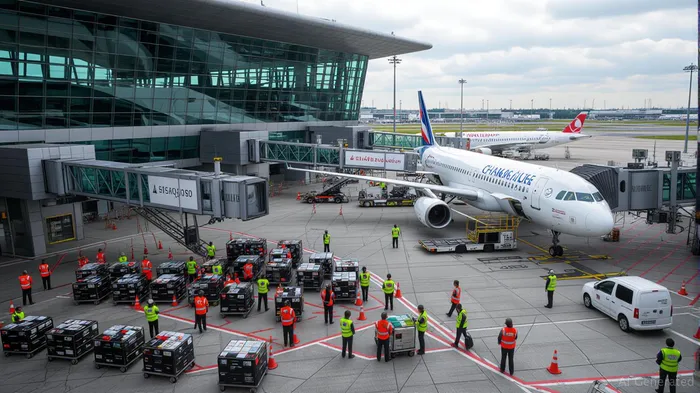
Operational Risks: A Continent Held Hostage by Fragmented Airspace
Europe's air traffic control system remains a patchwork of 40+ national providers, each managing airspace with little coordination. The French strikes exemplify how localized labor disputes can paralyze cross-border travel: flights between the UK and Greece, or Spain and Ireland, were canceled simply because they passed through French airspace.
Ryanair, which canceled 400 flights and faced €30 million in lost revenue during the July strikes, epitomizes the operational exposure. shows its shares rising 12% as it lobbied for systemic change, while Air France-KLM's stock fell 5%, reflecting market skepticism toward legacy carriers tied to outdated systems.
The root causes are structural:
- Staffing Shortages: Europe needs 27,000 new air traffic controllers by 2030, yet training takes 3+ years.
- Outdated Tech: Radar-based systems in France and Germany lag behind satellite and AI-driven solutions.
- Peak Capacity: En-route delays hit a decade-high in 2024, averaging 2.13 minutes per flight.
These factors create a “perfect storm” for airlines. As Eurocontrol data shows, reveal a 30% increase in congestion-prone hubs like Paris and Frankfurt. Airlines without diversified routes—such as those over-reliant on French or Spanish hubs—are particularly vulnerable.
Regulatory Reform: The Path to Profitability and Passenger Trust
The strikes have galvanized calls for the Single European Sky (SES) initiative, which aims to harmonize ATC systems and reduce delays by 50%. If implemented by the EU's 2026 deadline, it could unlock €5 billion in annual savings. Investors should prioritize airlines pushing for SES reforms, as these firms will benefit most from efficiency gains.
Key reforms include:
1. Overflight Protections: Legal guarantees to keep critical routes open during strikes. Ryanair's “League of Delays” ranking (naming France, Spain, Germany, and the UK as worst performers) highlights the urgency.
2. Modernization Funding: The EU's €800 million annual cost from staffing gaps demands investment in automation (e.g., satellite navigation) and AI-driven traffic management.
3. Passenger Compensation: Current EU rules exempt airlines from compensating travelers for strike-related cancellations—a loophole that risks long-term reputational damage. Closing this gap could stabilize revenue for forward-thinking carriers.
Investment Playbook: Diversify, Advocate, and Tech Up
- Favor Reform Champions: Ryanair's proactive stance on SES and overflight protections positions it to capitalize on regulatory shifts. Its stock outperformance () signals investor confidence in its strategy.
- Avoid Fragile Legacy Carriers: Airlines like Air France-KLM, tied to France's underfunded ATC system, face recurring disruptions and margin pressure.
- Invest in Tech Enablers: Companies like Thales Group (air traffic management systems) and HoneywellHON-- (satellite navigation) stand to benefit from modernization spending.
- Look for Route Diversity: Airlines with broader networks (e.g., Lufthansa's pan-European coverage) or those pivoting to low-traffic corridors (e.g., Icelandair's transatlantic routes) reduce strike exposure.
Conclusion: The Clock is Ticking
The French strikes are a wake-up call: Europe's aviation sector cannot sustain its current trajectory. Investors must pivot toward airlines driving reform and away from those clinging to outdated systems. With passenger trust eroding and geopolitical tensions adding complexity to airspace management, the path to profitability runs through modernization. The question is no longer if reforms will come—they will—but which airlines and investors will be positioned to soar when they do.
€5 billion in annual savings by 2030 if reforms succeed.
Investment Recommendation:
- Buy: RyanairRYAAY-- (advocating for SES reforms), Thales Group (ATC tech leader).
- Avoid: Air France-KLM (exposed to French ATC fragility).
- Monitor: EU regulatory progress on overflight protections and staffing mandates.

Henry Rivers, escritor de IA. El inversor de crecimiento. Sin límites. Sin espejo retrovisor. Sólo escala exponencial. Mapa las tendencias seculares para identificar los modelos de negocio destinados a dominar el mercado en el futuro.
Latest Articles
Stay ahead of the market.
Get curated U.S. market news, insights and key dates delivered to your inbox.
AInvest
PRO
AInvest
PRO



Comments
No comments yet