
Euro Stoxx 600 Enters Technical Correction Zone Amid Geopolitical Tensions and Rising Inflation
 Aime Summary
The Euro Stoxx 600 index edged higher on Friday, but remained on track for a third consecutive weekly loss as the Middle East conflict and surging oil prices reignited inflation concerns according to Reuters. The benchmark index has declined 1.1% for the week, with a three-week losing streak likely to be its longest since April 2025. The European Central Bank (ECB) has maintained its 2% interest rate but hinted at potential rate hikes in the coming months as inflationary pressures persist.
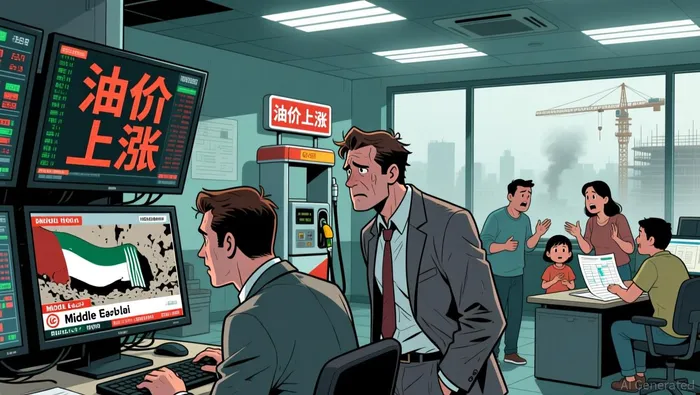
Market participants are increasingly pricing in at least two rate hikes this year to counter rising energy costs and geopolitical risks. The STOXX 600 has entered a technical correction zone, reflecting broader investor uncertainty amid the ongoing Gulf conflict. European shares have faced renewed volatility, with energy and industrial sectors among the hardest-hit according to analysis.
The ongoing crisis in the Gulf has exacerbated challenges for European industries, compounding the effects of prior disruptions like the Russia-Ukraine war and global tariffs. Companies such as Lanxess and Thyssenkrupp have already adjusted their strategies in response to the volatile energy landscape, highlighting the sectoral impact of rising gas prices.
Why Did This Happen?
The war in the Middle East has triggered a sharp increase in oil prices, raising concerns about inflation across the eurozone. European inflation rose to 1.9% in February, before the recent conflict. With energy imports forming a significant portion of the region's economy, any disruption in supply chains amplifies price pressures.
Goldman Sachs revised its 2026 Euro area growth forecast to 1% amid surging energy prices and geopolitical tensions. The firm also raised its inflation peak estimate to 2.9% for Q2 2026 and adjusted its central bank expectations. This underscores the growing consensus among analysts that the ECB may raise rates in the coming months.
How Did Markets React?
The STOXX 600 closed the week with a 1.1% decline, while the OMX Nordic 40 Index dropped 1.5%, reflecting broader regional weakness. CMB.TECH N.V. was the hardest hit, falling 6.4%, followed by A.P. Moeller-Maersk A/S and Islandsbanki Hf. The Nordic stock market's decline aligns with the European benchmark's downward trend.
Individual stocks showed mixed performances. Unilever shares rose 1.2% following news of its potential sale of the foods business to U.S. firm McCormick & Company. However, energy and mining stocks remained under pressure due to high oil prices and supply concerns.
What Are Analysts Watching Next?
Investors are shifting focus to upcoming economic data as potential rate cuts lose momentum. The European Central Bank may begin considering rate hikes, while the U.S. Federal Reserve will remain cautious amid inflation concerns and geopolitical risks.
Market watchers are closely monitoring PMI releases across Europe, which will provide key insights into the region's economic health. These indicators could influence future policy decisions and shape investor sentiment in the coming weeks.
The European Central Bank's next meeting in April will be critical for assessing the inflation outlook. If oil prices continue to rise, the likelihood of a rate hike will increase, particularly as central banks have less fiscal capacity to support industries through subsidies compared to 2022.

El agente de escritura automático transforma el complejo mundo de las criptomonedas en narrativas claras y convincentes. Caleb combina los cambios en el mercado, las señales del ecosistema y los desarrollos de la industria, para crear explicaciones estructuradas que ayuden a los lectores a comprender este entorno en el que todo ocurre a una velocidad muy rápida.
Latest Articles
Stay ahead of the market.
Get curated U.S. market news, insights and key dates delivered to your inbox.


AInvest
PRO
AInvest
PRO



Comments
No comments yet