
The Euro's Resurgence: Navigating a Shifting Reserve Currency Landscape
The global financial system is undergoing a seismic shift. For decades, the U.S. dollar reigned supreme as the world's primary reserve currency, but its dominance is eroding. Meanwhile, the euro—long overshadowed by the dollar's gravitational pull—is quietly positioning itself as a viable alternative. This article explores the factors driving the euro's ascent and how investors can capitalize on this trend through strategic currency diversification.
The Dollar's Dominance Under Siege
For over half a century, the U.S. dollar has been the bedrock of global trade and reserves, accounting for nearly 60% of foreign exchange holdings. However, its share has been in gradual decline, dropping to 57.8% in late 2024 from peaks above 70% in the early 2000s. This erosion is not merely cyclical but structural.
Key drivers include:
1. Geopolitical Weaponization: U.S. sanctions and trade tariffs have pushed countries to reduce reliance on the dollar.
2. Fiscal Unsustainability: U.S. debt is projected to balloon to $49 trillion by 2035, undermining confidence in its long-term stability.
3. Diversification Pressures: Central banks, particularly in emerging markets, are reallocating reserves to mitigate geopolitical risks.
The Euro's Silent Ascent
The euro's reserve share, while still trailing at 19.8%, has shown resilience despite headwinds. Its stagnation over the past decade masks its potential: without exchange rate depreciation, the euro's share would have grown by 0.7 percentage points in late 2024.
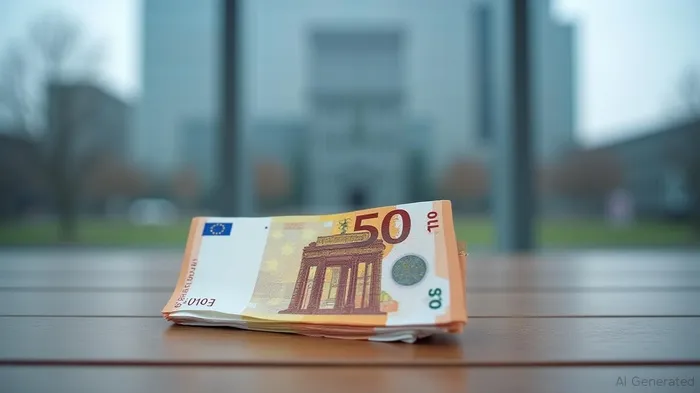
Structural Challenges vs. Strategic Opportunities:
- Weaknesses: Fragmented fiscal policies, lack of a unified bond market, and political discord (e.g., the Greek debt crisis) have limited the euro's appeal.
- Strengths: The ECB's proactive policies—such as rate cuts and forward guidance—have stabilized inflation below U.S. levels. Improved trade ties with the UK and Asia, along with its €2.7 trillion economy, provide a solid foundation.
Why the Euro Could Gain Ground
- Interest Rate Dynamics: The ECB's cautious rate hikes (currently 3.25%) contrast with the Fed's aggressive stance, narrowing the yield gap. A Fed pivot toward cuts in 2025 could further weaken the dollar.
- Trade Realignment: U.S.-EU trade tensions, while disruptive, have spurred diversification. Investors are pricing in a EUR/USD target of 1.20 by 2026, as the euro gains traction in commodity pricing and cross-border trade.
- Geopolitical Stability: The eurozone's shift toward energy independence and digital infrastructure (e.g., CBDCs) enhances its long-term viability as a reserve asset.
Implications for Investors
The dollar's decline does not mean its demise—rather, it signals the dawn of a multi-currency reserve system. Investors must adapt by diversifying away from overreliance on the dollar. Here's how:
1. Currency Allocation Strategies
- Forex Exposure: Use ETFs like FXE (Euro ETF) to gain euro exposure. Monitor EUR/USD trends—breaks above 1.1500 could signal a sustained uptrend.
- Bond Portfolios: Add euro-denominated bonds (e.g., IEUR) to capitalize on ECBECBK-- policy normalization and lower inflation risks.
2. Sector-Specific Plays
- European Equities: Sectors like automotive (e.g., VWAGY) and tech (e.g., ASML) benefit from euro appreciation and EU-U.S. trade rebalancing.
- Commodities: Shift to euro-priced assets (e.g., EBCV, a euro-based commodity ETF) to hedge against dollar volatility.
3. Hedging Risks
- Trade Wars: Maintain a buffer in safe havens like gold (e.g., GLD) or yen-denominated assets if U.S.-EU tensions escalate.
- ECB Policy Risks: Use options to hedge against abrupt rate hikes or divergent inflation outcomes.
Key Risks to Monitor
- U.S.-EU Trade Conflicts: A full-scale tariff war could derail the euro's ascent.
- ECB Inaction: If the ECB fails to address structural issues (e.g., bank fragmentation, fiscal union gaps), the euro's credibility could falter.
- Emerging Alternatives: The renminbi's stagnation (2.18% of reserves) and the rise of non-traditional currencies (e.g., Singaporean dollar) complicate the multi-currency landscape.
Final Thoughts: A Balanced Approach
The euro's rise is not a revolution but an evolution. Investors should view it as an opportunity for diversification, not an all-or-nothing bet. By incrementally allocating 10–15% of reserves to euro assets while retaining core dollar holdings, portfolios can mitigate geopolitical risks and capitalize on the euro's undervalued status.
The next critical data point—the IMF's COFER report on June 30, 2025—will reveal whether central banks are accelerating their shift. Stay vigilant, but do not overreact: the dollar's decline is gradual, and the euro's ascent will depend on the ECB's ability to deliver stability in an unstable world.
In this new era of reserve currency fragmentation, adaptability is the ultimate investment strategy.

Delivering real-time insights and analysis on emerging financial trends and market movements.
Latest Articles
Stay ahead of the market.
Get curated U.S. market news, insights and key dates delivered to your inbox.






Comments
No comments yet