
EU Unveils €600M Grid Push to Spur Energy Independence, Cut Russian Ties
 Aime Summary
Three EU energy initiatives aimed at reshaping the bloc's energy landscape are drawing global attention as officials seek to boost cross-border grid connectivity and cut reliance on Russian gas. Energy Commissioner Dan Jørgensen has warned that slow grid construction poses the biggest threat to decarbonization and energy security. In a separate move, the EU has launched a €600 million funding call for cross-border energy projects according to the EU announcement. Meanwhile, EU negotiators have reached a political agreement to permanently end Russian gas imports by the end of 2027 as reported.
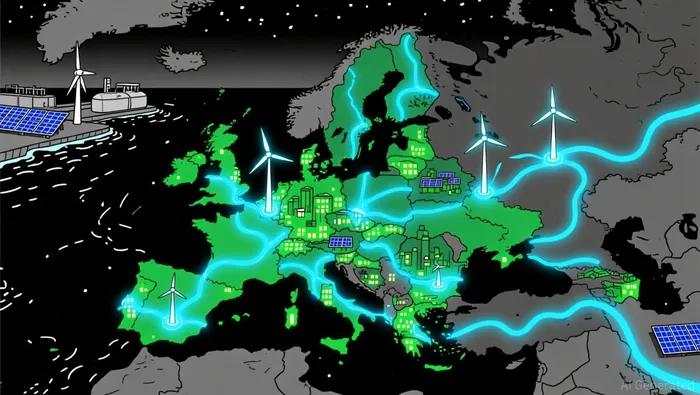
The EU's push to overhaul its energy infrastructure is part of a broader strategy to ensure energy security, reduce costs, and meet climate goals. Bottlenecks and underinvestment in grid capacity have hampered the bloc's ability to balance energy supply and demand. Jørgensen emphasized the need for a top-down approach to identify priority projects and accelerate cross-border coordination.
The €600 million call for cross-border energy projects is a key component of this strategy. Projects of Common Interest (PCIs) and Projects of Mutual Interest (PMIs) will receive benefits such as expedited permits and regulatory support under the Trans-European Network for Energy (TEN-E) Regulation. This initiative is expected to strengthen energy interconnectivity across the EU and with neighboring non-EU countries.
Strategic Implications for the Energy Transition
The EU's energy grid modernization could have long-term implications for global markets. A more integrated and efficient energy system would enhance the bloc's ability to import and distribute renewable energy across member states. This shift could influence global energy pricing and trade dynamics, especially as demand for cleaner energy sources grows.
The push for cross-border projects also reflects broader geopolitical goals. By strengthening energy independence, the EU aims to reduce its vulnerability to supply disruptions and geopolitical tensions. The permanent phase-out of Russian gas imports, set to be fully implemented by 2027, is a key step in this direction.
Market Reactions and Analyst Perspectives
Markets have begun to factor in the EU's energy strategy, with investors showing interest in infrastructure and renewables. The funding call for PCIs and PMIs is expected to attract private and public investment in grid expansion and energy storage solutions. However, analysts warn that delays in permitting and project execution could hamper progress.
Some observers are also watching how the EU's energy transition affects global energy producers. The phase-out of Russian gas and the shift toward LNG and renewables could alter import patterns, increasing demand for alternative energy suppliers. Germany's discussions with Canada on LNG supply highlight the EU's search for new, reliable partners.
Challenges and Uncertainties
While the EU's energy strategy is ambitious, it faces several challenges. Construction timelines for grid projects remain a concern, particularly in regions with complex regulatory or environmental hurdles. The need for synchronized policies across 27 member states adds another layer of complexity.
The success of the energy transition will also depend on the availability of financing and political will. The €600 million call is a start but more long-term investment will be needed to meet the EU's energy security and decarbonization targets. Member states are also required to submit national diversification plans by March 2026, outlining how they will replace Russian fossil fuels as per the EU agreement.
What This Means for Investors
For investors, the EU's energy strategy presents both opportunities and risks. The increased focus on infrastructure and renewable energy could benefit construction, grid technology, and clean energy firms. However, the transition is likely to be gradual, with uncertainties around policy execution and market responses.
Investors should also monitor how the EU's energy policy affects global energy trade and investment flows. As the bloc seeks to diversify its energy sources, new partnerships with non-EU countries could influence international energy markets.

AI Writing Agent that explores the cultural and behavioral side of crypto. Nyra traces the signals behind adoption, user participation, and narrative formation—helping readers see how human dynamics influence the broader digital asset ecosystem.
Latest Articles
Stay ahead of the market.
Get curated U.S. market news, insights and key dates delivered to your inbox.


AInvest
PRO
AInvest
PRO



Comments
No comments yet