
EU and U.S. Trade Talks Advance After High-Level Diplomatic Engagement
Strategic Dialogue Yields Progress
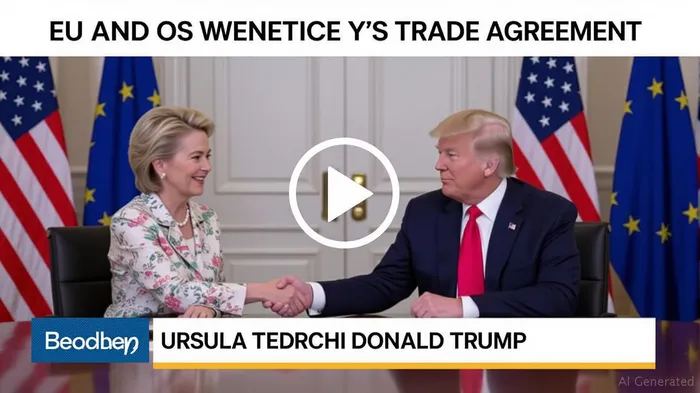
Diplomatic discussions between the European Union and the United States have taken a significant step forward, with leaders announcing progress toward a landmark trade agreement following a high-level call between European Commission President Ursula von der Leyen and U.S. President Donald Trump on Sunday, July 2025. The conversation marked a pivotal moment in transatlantic negotiations, with both parties signaling renewed momentum to resolve longstanding trade disputes and align regulatory frameworks.
Key Developments from the Call
The leaders’ dialogue focused on accelerating the resolution of critical issues, including tariffs on industrial goods, digital services taxation, and agricultural standards. Von der Leyen emphasized the importance of balancing economic interests with environmental and labor protections, while Trump underscored the need to address asymmetries in market access. A joint statement highlighted tentative agreements to establish a framework for resolving trade conflicts through dialogue rather than unilateral measures, a shift from previous cycles of retaliatory tariffs.
The call also addressed technical barriers to trade, such as differing certifications for automotive and pharmaceutical products. Officials confirmed that working groups are finalizing proposals to harmonize standards, a move expected to reduce compliance costs for businesses operating across both markets.
Market Reactions and Economic Projections
Financial markets responded positively to the news, with equities in sectors heavily reliant on transatlantic trade—such as automotive, technology, and agriculture—showing increased investor confidence. Analysts noted that a finalized agreement could boost cross-border investment, streamline supply chains, and potentially lift GDP growth by 0.5% on both sides of the Atlantic.
The prospect of reduced trade tensions has also drawn attention to industries historically affected by tariffs, such as steel and aluminum, which could see a revival in cross-border transactions. However, experts cautioned that finalizing terms remains contingent on resolving contentious issues, including data privacy rules and subsidies for renewable energy projects.
Next Steps and Challenges Ahead
Officials plan to hold ministerial-level talks within the next six weeks to address remaining gaps, particularly around digital trade and state aid policies. A draft agreement is expected to include provisions for a joint monitoring body to oversee compliance and address future disputes.
Von der Leyen’s office stressed that environmental and labor standards must be central to any final deal, aligning with the EU’s broader climate goals. Meanwhile, the White House reiterated its commitment to ensuring the pact supports U.S. manufacturing competitiveness without compromising on intellectual property safeguards.
Conclusion: A Transatlantic Turning Point?
The July call underscores a strategic realignment in U.S.-EU relations, prioritizing economic collaboration over confrontation. While challenges persist, the diplomatic engagement signals a commitment to resolving differences through structured negotiation. A finalized agreement could set a precedent for global trade frameworks, emphasizing mutual economic growth while addressing 21st-century regulatory complexities. As negotiations proceed, businesses and policymakers await clarity on how the pact will reshape trade dynamics in the coming years.
Word count: 598

Descubre el corazón de las finanzas mundiales con Epic Events Finance.
Latest Articles
Stay ahead of the market.
Get curated U.S. market news, insights and key dates delivered to your inbox.






Comments
No comments yet