
EU and U.S. Trade Officials to Hold Strategic Discussions Amid Escalating Stance from Trump
 Aime Summary
Preparations Intensify for Potential Impasse in Negotiations
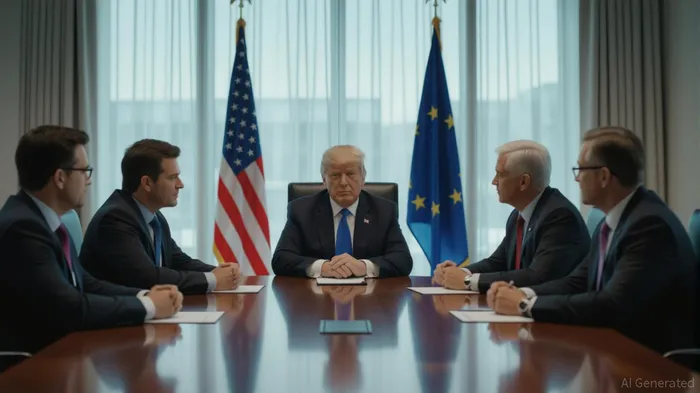
EU and U.S. trade negotiators are set to convene this week in a bid to address the growing likelihood of a breakdown in trade discussions involving former U.S. President Donald Trump. With Trump reportedly adopting a more rigid position, the meeting is expected to focus on contingency planning and assessing the implications of a possible stalemate.
The session marks a critical step in preparing for a scenario where key trade agreements or concessions may not be secured. Officials from both sides are anticipated to review existing frameworks and identify alternative pathways to safeguard economic interests in the event of a failed negotiation.
Shifting Dynamics in Trade Strategy
The decision to hold the meeting reflects a strategic shift in approach by both parties. Rather than pursuing a resolution under the current terms, the focus is now on mitigating risks associated with a more intransigent stance from Trump. This includes evaluating the resilience of supply chains, trade dependencies, and potential retaliatory measures that could emerge from a breakdown in talks.
The negotiators are also expected to examine the broader economic landscape, including the impact of recent trade policies and how these may affect future agreements. This assessment is critical in ensuring that both the EU and U.S. can maintain a degree of stability in trade relations, even in the face of a prolonged standoff.
Focus on Contingency and Resilience
As the likelihood of a deal diminishes, the emphasis is shifting toward building resilience in trade mechanisms. Discussions are likely to include the reinforcement of alternative trade channels, the diversification of supply sources, and the strengthening of domestic policies that can buffer against external disruptions.
This proactive approach underscores the recognition that the current trajectory of negotiations may not yield a favorable outcome. By preparing in advance, both parties aim to minimize the economic fallout and preserve long-term trade relations.
Looking Ahead: Implications for Trade Policy
The outcome of this week’s meeting could set the tone for future interactions between the EU and U.S. trade teams. If the trend of hardening positions continues, it may lead to a more structured and formalized approach to managing trade disputes, with a stronger emphasis on bilateral agreements and self-sufficiency measures.
While the immediate goal is to manage expectations and reduce uncertainty, the longer-term objective remains the pursuit of a stable and mutually beneficial trade relationship. As such, the discussions this week are not only about preparation for failure but also about laying the groundwork for future negotiations under different leadership or circumstances.
Conclusion
The upcoming meeting between EU and U.S. trade negotiators represents a pivotal moment in the evolving landscape of transatlantic trade. With the possibility of a failed negotiation looming, the focus is now on strategic resilience and contingency planning. The discussions this week will be closely watched as an indicator of how both sides intend to navigate the complexities of trade in an increasingly unpredictable political environment.

Stay ahead of the market.
Get curated U.S. market news, insights and key dates delivered to your inbox.


AInvest
PRO
AInvest
PRO



Comments
No comments yet