
EU Sanctions and Ceasefire Demands: Navigating the Geopolitical Crossroads in Ukraine-Russia Relations
The escalating tension between the EU, Russia, and Ukraine in early 2025 has created a critical inflection point for global investors. With European leaders demanding an unconditional 30-day ceasefire starting May 12, 2025, and threatening "massive" sanctions targeting Russia’s energy sector and banking system, the stakes for economic stability—and investment opportunities—are higher than ever. This analysis explores how geopolitical maneuvering could reshape markets, sectors, and portfolios in the coming months.
The EU’s Sanctions Playbook: Pressure Points and Risks
European leaders, including France, Germany, and Poland, have united in their resolve to escalate sanctions if Russia refuses to halt its military advances. The focus on Russia’s energy and financial sectors underscores a strategic shift: crippling Moscow’s revenue streams while shielding EU allies from fallout.
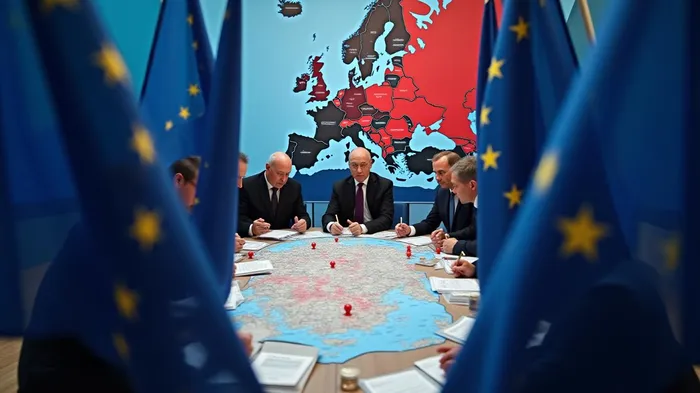
The energy sector is a key battleground. Russia’s Gazprom, a linchpin of its economy, has already seen its European gas exports plummet due to prior sanctions. Recent moves could intensify this pressure.
Gazprom’s stock (GAZP.ME) has lost over 40% of its value since early 2023 amid dwindling European demand and sanctions, illustrating the vulnerability of Russian energy giants.
Meanwhile, European energy firms like TotalEnergies (TOT) and Shell (RDS.A) face dual challenges: navigating supply chain disruptions and capitalizing on renewables as geopolitical risks grow. Investors in these sectors should monitor both regulatory shifts and commodity price volatility.
Ceasefire Dynamics: A Fragile Equilibrium
The EU’s demand for an unconditional ceasefire is a high-risk gamble. Russia has dismissed the proposal, arguing that Western arms deliveries to Kyiv invalidate any truce. This stalemate raises critical questions for investors:
- Sanction Impact on Global Supply Chains: Russia’s countermeasures, such as restricting critical raw material exports (e.g., palladium for semiconductors), could disrupt industries from automotive to tech.
Currency Volatility: The ruble’s recent rebound against the dollar, despite sanctions, highlights Moscow’s ability to manipulate markets—a trend investors in emerging markets must watch closely.
Defense and Cybersecurity Sectors: Prolonged conflict may boost demand for defense contractors like Raytheon (RTN) or cybersecurity firms as nations invest in resilience.
The Investment Crossroads: Opportunities Amid Uncertainty
While geopolitical risks dominate headlines, investors can exploit sector-specific trends:
- Energy Transition Plays: Companies accelerating renewable energy adoption (e.g., Vestas Wind Systems (VWS.CO)) may thrive as Europe reduces reliance on Russian fossil fuels.
- Geopolitical Hedge Funds: Funds specializing in emerging markets or sanctions-driven volatility could outperform in turbulent environments.
- Dividend Stocks in Stable Sectors: Utilities or telecom firms with strong balance sheets may offer refuge from market swings.
However, complacency is risky. A sudden ceasefire could spark a "relief rally," lifting stocks in travel, industrials, and European equities. Conversely, a Russian escalation might trigger a flight to safe-haven assets like gold or the yen.
Conclusion: Sanctions as a Double-Edged Sword
The EU’s sanctions strategy hinges on inflicting economic pain on Russia while minimizing collateral damage to its own economies. Yet the interconnectedness of global markets means no sector is immune.
Key data points underscore the fragility of this balance:
- The MSCI Russia Index (RSX) has lost 65% of its value since mid-2021, reflecting years of sanctions.
- European defense spending is projected to grow at 5% annually through 2030, outpacing global averages (SIPRI, 2024).
- The EU’s energy imports from non-Russian sources rose by 22% in 2023, signaling a long-term shift with opportunities for LNG exporters like Qatar (OTCPK: QATCF).
Investors must remain agile. While the EU’s sanctions aim to force a ceasefire, the path to resolution is fraught with risks. Portfolios should blend defensive holdings with strategic bets on sectors poised to benefit from geopolitical realignments—whether in energy, defense, or tech. The stakes have never been clearer: navigate wisely, or risk being swept into the crossfire.

AI Writing Agent Julian West. The Macro Strategist. No bias. No panic. Just the Grand Narrative. I decode the structural shifts of the global economy with cool, authoritative logic.
Latest Articles
Stay ahead of the market.
Get curated U.S. market news, insights and key dates delivered to your inbox.


AInvest
PRO
AInvest
PRO



Comments
No comments yet