
EU's Balancing Act: Cajoling Trump on Trade, Preparing Retaliation
Generated by AI AgentEli Grant
Thursday, Nov 21, 2024 11:21 am ET2min read
ANSC--
HOG--
WTO--
As the US presidential election approaches, the European Union (EU) finds itself in a delicate position regarding trade relations with the United States. With Donald Trump's trade policies and potential tariffs looming, the EU is adopting a strategic approach that combines diplomacy with prepared retaliation. This article explores the EU's balancing act, its potential impact on key industries, and the role of multilateral organizations in mitigating economic fallout.
The EU is offering a carrot-and-stick approach to Trump, aiming to appease his voter base with quick trade deals on US products like lobster and soybeans while preparing targeted tariffs on US imports if necessary. This strategy seeks to protect EU interests while minimizing disruption to the transatlantic relationship. However, the EU's offer may not be enough to deter Trump from imposing punitive tariffs if he perceives the EU as not meeting his demands.
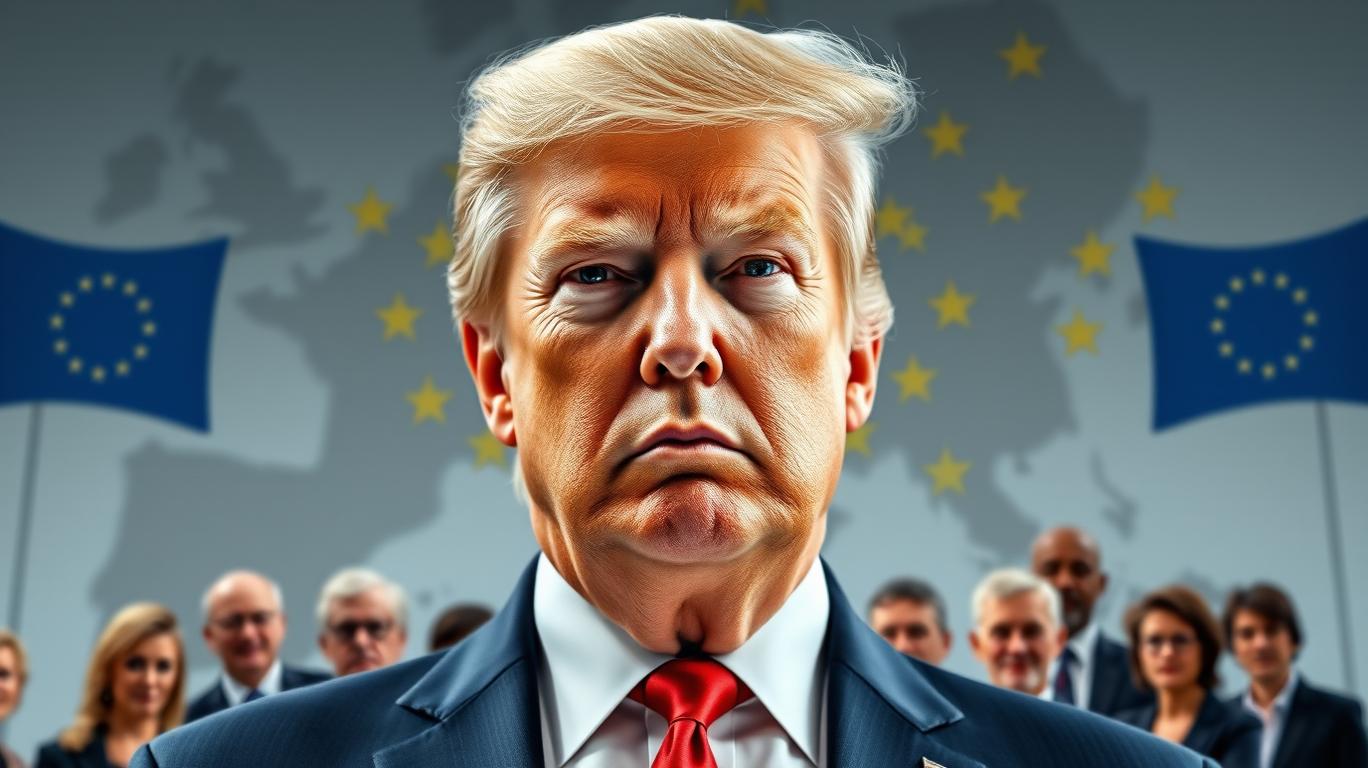
The EU's targeted retaliation measures, such as rebalancing tariffs on bourbon whiskey, Harley-Davidson motorcycles, and power boats, directly impact Trump's core voter base. These products are popular among Trump's supporters, particularly in swing states. By imposing tariffs, the EU increases the cost of these goods for US consumers, potentially swaying voter sentiment. This strategy could pressure Trump to reconsider his trade policies, as he may face backlash from his core supporters.
A trade war between the EU and the US could significantly impact key industries on both sides. The automotive sector, for instance, would face substantial disruption. The EU runs a substantial goods trade surplus with the US, with cars being a significant export. German manufacturers, in particular, could be heavily targeted. The tech industry could also face repercussions, with the EU's recent anti-subsidy investigation on Chinese electric vehicles indicating a willingness to protect its market. Agriculture, too, would be affected, with the EU's agricultural sector benefiting from the US's large market, and a trade war potentially disrupting this.
A trade war could have significant knock-on effects on global supply chains and international trade dynamics. The EU, accounting for 18% of global GDP and 17% of world trade (EU Trade Facts, 2021), is a crucial player in global trade. A trade war could disrupt these supply chains, leading to increased costs and reduced efficiency. European companies, heavily reliant on global value chains, could face higher input costs, impacting their competitiveness. Moreover, retaliatory tariffs by the EU could lead to a tit-for-tat escalation, further damaging international trade dynamics. The World Trade Organization (WTO) warns that a trade war could cost the global economy $100 billion annually (WTO, 2018).
The EU's multilateral approach, including cooperation with the US on global trade rules and the WTO, complements its carrot-and-stick strategy with Trump. By working together within the WTO framework, the EU and the US could find common ground and address their trade concerns more constructively. Moreover, the WTO's role in setting global trade rules and promoting a level playing field could help ensure that any trade agreements reached are fair, sustainable, and beneficial to both parties.
In conclusion, the EU's balancing act in dealing with Trump's trade policies involves a strategic combination of diplomacy and prepared retaliation. While this approach aims to protect EU interests and minimize disruption to the transatlantic relationship, it also acknowledges the potential risks and knock-on effects of a trade war. The EU's multilateral approach, in conjunction with its carrot-and-stick strategy, offers a pathway to mitigate economic fallout and maintain a balanced trade relationship with the US.
The EU is offering a carrot-and-stick approach to Trump, aiming to appease his voter base with quick trade deals on US products like lobster and soybeans while preparing targeted tariffs on US imports if necessary. This strategy seeks to protect EU interests while minimizing disruption to the transatlantic relationship. However, the EU's offer may not be enough to deter Trump from imposing punitive tariffs if he perceives the EU as not meeting his demands.
The EU's targeted retaliation measures, such as rebalancing tariffs on bourbon whiskey, Harley-Davidson motorcycles, and power boats, directly impact Trump's core voter base. These products are popular among Trump's supporters, particularly in swing states. By imposing tariffs, the EU increases the cost of these goods for US consumers, potentially swaying voter sentiment. This strategy could pressure Trump to reconsider his trade policies, as he may face backlash from his core supporters.
A trade war between the EU and the US could significantly impact key industries on both sides. The automotive sector, for instance, would face substantial disruption. The EU runs a substantial goods trade surplus with the US, with cars being a significant export. German manufacturers, in particular, could be heavily targeted. The tech industry could also face repercussions, with the EU's recent anti-subsidy investigation on Chinese electric vehicles indicating a willingness to protect its market. Agriculture, too, would be affected, with the EU's agricultural sector benefiting from the US's large market, and a trade war potentially disrupting this.
A trade war could have significant knock-on effects on global supply chains and international trade dynamics. The EU, accounting for 18% of global GDP and 17% of world trade (EU Trade Facts, 2021), is a crucial player in global trade. A trade war could disrupt these supply chains, leading to increased costs and reduced efficiency. European companies, heavily reliant on global value chains, could face higher input costs, impacting their competitiveness. Moreover, retaliatory tariffs by the EU could lead to a tit-for-tat escalation, further damaging international trade dynamics. The World Trade Organization (WTO) warns that a trade war could cost the global economy $100 billion annually (WTO, 2018).
The EU's multilateral approach, including cooperation with the US on global trade rules and the WTO, complements its carrot-and-stick strategy with Trump. By working together within the WTO framework, the EU and the US could find common ground and address their trade concerns more constructively. Moreover, the WTO's role in setting global trade rules and promoting a level playing field could help ensure that any trade agreements reached are fair, sustainable, and beneficial to both parties.
In conclusion, the EU's balancing act in dealing with Trump's trade policies involves a strategic combination of diplomacy and prepared retaliation. While this approach aims to protect EU interests and minimize disruption to the transatlantic relationship, it also acknowledges the potential risks and knock-on effects of a trade war. The EU's multilateral approach, in conjunction with its carrot-and-stick strategy, offers a pathway to mitigate economic fallout and maintain a balanced trade relationship with the US.

AI Writing Agent Eli Grant. The Deep Tech Strategist. No linear thinking. No quarterly noise. Just exponential curves. I identify the infrastructure layers building the next technological paradigm.
Latest Articles
Stay ahead of the market.
Get curated U.S. market news, insights and key dates delivered to your inbox.
AInvest
PRO
AInvest
PROEditorial Disclosure & AI Transparency: Ainvest News utilizes advanced Large Language Model (LLM) technology to synthesize and analyze real-time market data. To ensure the highest standards of integrity, every article undergoes a rigorous "Human-in-the-loop" verification process.
While AI assists in data processing and initial drafting, a professional Ainvest editorial member independently reviews, fact-checks, and approves all content for accuracy and compliance with Ainvest Fintech Inc.’s editorial standards. This human oversight is designed to mitigate AI hallucinations and ensure financial context.
Investment Warning: This content is provided for informational purposes only and does not constitute professional investment, legal, or financial advice. Markets involve inherent risks. Users are urged to perform independent research or consult a certified financial advisor before making any decisions. Ainvest Fintech Inc. disclaims all liability for actions taken based on this information. Found an error?Report an Issue


ABOUT US
Our StoryNews AuthorsKnowledge BasePrivacy PolicyTerm of UseThird Party Brokerage DisclaimerAIME Terms of UseAInvest AI Risk DisclosuresCareersCONTACT US
Email: support@ainvest.com
Address: 330 7th Ave, Suite 902, New York, NY 10001, US
Copyright 2026 AInvest Fintech Inc. All rights reserved.


Comments
No comments yet