
U.S. EU Regulators Align on Crypto Policy for Global Stability
U.S. and EU regulators have intensified their efforts to coordinate digital asset policies, signaling a growing alignment on regulations for cryptocurrencies, stablecoins, and central bank digital currencies. This development marks a significant step toward global policy harmonization in the crypto space. The increased collaboration between the two regions aims to address regulatory misalignment and legal uncertainty, which have been identified as potential sources of adverse macrofinancial outcomes. By working together, the U.S. and EU seek to create a more stable and predictable regulatory environment for digital assets, which could foster greater innovation and adoption in the sector.
This alignment is particularly important given the global nature of cryptocurrencies and the need for consistent regulatory frameworks to prevent regulatory arbitrage and ensure market integrity. The focus on stablecoins and central bank digital currencies reflects the growing interest in these digital assets as potential alternatives to traditional fiat currencies. Stablecoins, which are designed to maintain a stable value, have gained traction as a means of payment and store of value, while central bank digital currencies represent a new form of digital money issued by central banks. The coordination between the U.S. and EU on these issues is likely to influence the development of global crypto policies and set a precedent for other regions to follow.
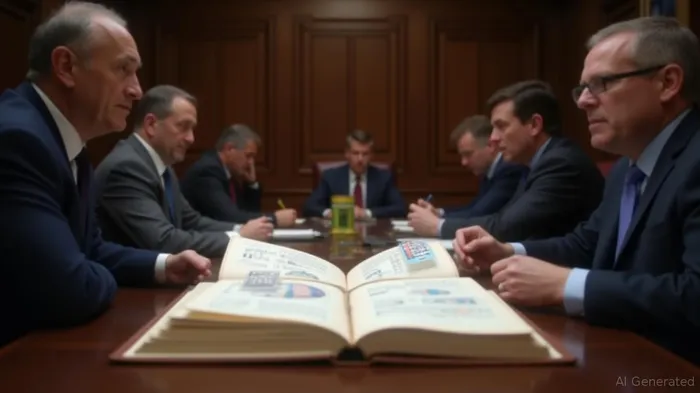
As the regulatory landscape for digital assets continues to evolve, the alignment between the U.S. and EU could pave the way for a more cohesive and effective global regulatory framework, benefiting both investors and the broader financial ecosystem. The recent EU-U.S. Joint Financial Regulatory Forum, held on June 24–25 in Brussels, highlighted the urgency of building a cohesive crypto infrastructure. Financial regulators from both regions convened to discuss mutual priorities in crypto regulation, digital payments, and financial innovation. The European Union provided updates on the implementation of the Markets in Crypto-Assets (MiCA) Regulation and the development of the Digital Euro, while the U.S. shared its digital asset policy priorities and ongoing work related to crypto assets, including the SEC Crypto Task Force.
The forum also covered broader financial topics, including cross-border payments and cybersecurity. The EU presented its progress on the Digital Operational Resilience Act (DORA), while U.S. regulators offered updates on infrastructure safeguards. Despite skepticism among regulators about the systemic risks of crypto, particularly regarding valuation volatility and regulatory compliance gaps, the forum underscored the importance of regulatory harmonization. Industry advocates argue that clear, globally aligned frameworks could foster innovation and market stability while minimizing jurisdictional arbitrage. This collaboration is expected to influence the development of global crypto policies and set a precedent for other regions to follow, ultimately benefiting the broader financial ecosystem.

Stay ahead of the market.
Get curated U.S. market news, insights and key dates delivered to your inbox.






Comments
No comments yet