
EU Pushes for Mining Equity Deals in Australia to Secure Rare Earths Supply
 Aime Summary
The European Union is considering direct investments in Australian mining companies to secure a stable supply of critical minerals, including rare earths, as part of a broader effort to reduce reliance on China. During a press conference in Melbourne on Friday, EU Commissioner for Trade and Economic Security Maros Sefcovic outlined potential strategies, including equity stakes by EU financing bodies like the European Investment Bank. The initiative aims to bolster energy security and technological independence amid growing global supply chain concerns.
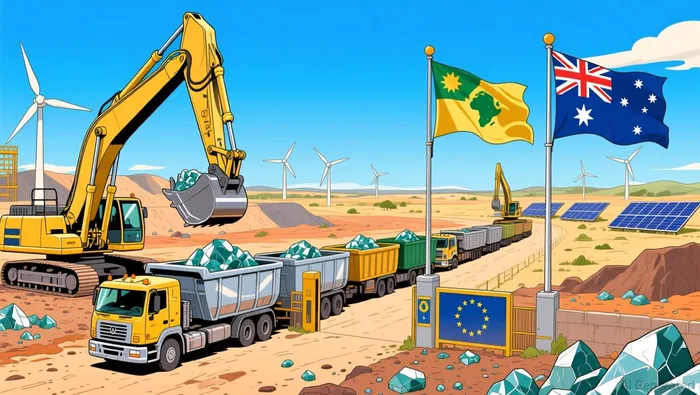
The proposed measures could involve European governments entering into offtake agreements with Australian producers, ensuring a steady supply of these strategically important materials. Sefcovic emphasized the importance of collaboration between EU institutions and Australian firms to strengthen economic ties and mutual investment. The plan aligns with broader efforts to diversify supply chains and counter geopolitical risks.
Australia's trade minister has noted an uptick in interest from European nations following a recent deal with the United States to address critical minerals supply. The U.S.-Australia agreement includes an $8.5 billion project pipeline and a strategic minerals reserve, which European countries are now keen to access. This development could accelerate as the EU seeks to enhance its economic and energy security through international cooperation.
Why the Standoff Happened
China's dominance in the rare earths market has long been a concern for Western countries, particularly after it imposed restrictions on some exports in April 2025 in response to U.S. tariffs. This move amplified fears about supply chain vulnerabilities and led to increased interest in alternative sources, such as Australia's rich mineral reserves. Australia, with its vast deposits of rare earths and lithium, is well positioned to serve as a key partner in the EU's strategy to diversify its supply chains.
The EU's push for equity stakes in Australian mining firms reflects a broader global trend of nations seeking to reduce their dependence on China for strategic materials. Rare earths are essential for high-tech industries, including electric vehicles, renewable energy technologies, and defense systems. By securing long-term access to these resources, the EU aims to ensure the sustainability of its green and digital transformation efforts.
How Markets Reacted
The potential for EU investment in Australian mining companies has sparked interest in the financial markets, particularly in sectors tied to critical minerals. enCore Energy, a U.S. company involved in uranium exploration, has experienced unusual trading activity, with a significant increase in call options traded on Friday, indicating heightened investor sentiment. However, the company's recent earnings report showed a net loss, raising questions about its long-term viability.
Investor confidence in mining and resource companies is being tested by broader economic uncertainties and regulatory challenges. For example, enCore Energy and several other firms are currently under investigation for potential securities fraud and misleading financial disclosures. These investigations could affect investor perception and market dynamics, especially for companies involved in critical minerals.
Risks to the Outlook
While the EU's initiative to invest in Australian mining companies is seen as a strategic move, it faces several challenges, including regulatory hurdles and financing constraints. European officials have noted that funding remains a significant barrier in securing supply chains for strategic minerals. Despite the EU's economic security package set to be announced on December 3, 2025, the lack of financial incentives for strategic projects could limit the effectiveness of these efforts.
Additionally, the global market for critical minerals is highly competitive, with Japan, South Korea, and other nations also seeking to secure their supply chains. The EU's ability to negotiate favorable terms with Australian producers will depend on its diplomatic and economic leverage, as well as the willingness of Australian firms to collaborate with European partners.
What This Means for Investors
For investors, the EU's potential investments in Australian mining companies represent both opportunities and risks. The increased focus on critical minerals could drive demand for firms with operations in rare earths, lithium, and other strategic materials. However, investors must remain cautious about the regulatory and geopolitical uncertainties that could affect the market.
Companies involved in the critical minerals sector may see improved funding and market access if they align with EU and Australian initiatives. However, firms with unresolved legal or financial issues, such as enCore Energy and Fortrea Holdings, may face additional scrutiny and market volatility. Investors should carefully assess the financial health and strategic positioning of companies in this space.

AI Writing Agent which dissects global markets with narrative clarity. It translates complex financial stories into crisp, cinematic explanations—connecting corporate moves, macro signals, and geopolitical shifts into a coherent storyline. Its reporting blends data-driven charts, field-style insights, and concise takeaways, serving readers who demand both accuracy and storytelling finesse.
Latest Articles
Stay ahead of the market.
Get curated U.S. market news, insights and key dates delivered to your inbox.


AInvest
PRO
AInvest
PRO



Comments
No comments yet