
EU Nations Back Mercosur Trade Deal Over French Opposition
 Aime Summary
The European Union is close to finalizing a major free trade agreement with the Mercosur bloc, after more than two decades of negotiations. EU nations are expected to approve the deal on Friday, despite lingering concerns from France and Italy over potential impacts on their agricultural sectors. The agreement is a key component of the EU’s strategy to diversify trade and counter growing economic pressures from the United States and China.
The EU-Mercosur trade pact is projected to remove significant trade barriers and create one of the largest free trade areas in the world. 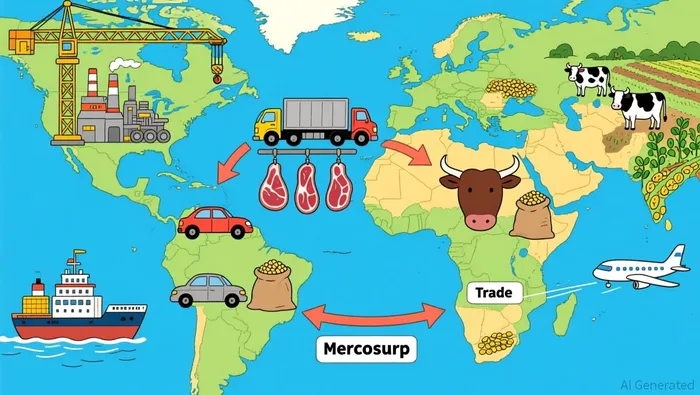 The deal would allow the EU to export machinery, vehicles, and alcoholic beverages to Brazil, Argentina, Uruguay, and Paraguay. In return, Mercosur would open its markets for beef, sugar, and soybeans. This agreement is expected to strengthen the EU’s economic presence in South America and reduce dependency on traditional trade partners.
French President Emmanuel Macron has led opposition to the deal, citing risks to domestic agriculture and food sovereignty. France’s agriculture minister reiterated these concerns, emphasizing the potential damage to sectors like beef, chicken, and sugar. Farmers across France have staged protests, including tractor demonstrations in Paris, to resist the deal’s implementation.
Why Did This Happen?
Supporters of the agreement, including Germany, Spain, and several Nordic countries, argue it is necessary to offset economic challenges posed by U.S. tariffs and China’s dominance in global trade. They believe the deal would expand export opportunities for European industries and provide a counterbalance to U.S. protectionism and Chinese trade controls. According to reports, the EU sees this as essential for economic resilience.
The European Commission has introduced safeguards to mitigate potential disruptions. These include a 5% threshold for triggering investigations into import volumes and price changes from Mercosur countries. The commission has also pledged to support EU farmers through the next budget cycle. These measures aim to address concerns over unfair competition and environmental risks.
How Did Markets React?
Farmers in France and Italy remain vocal in their resistance. French agricultural leaders warn that the deal could expose European farmers to unfair competition due to differing production standards in South America. Italian farmers have similarly raised concerns about the sustainability of their industries under the proposed agreement.
The EU is attempting to present itself as a major economic force amid rising global trade tensions. The timing of the deal also comes as the Trump administration asserts its influence in Latin America, particularly with recent actions in Venezuela. The EU sees the Mercosur agreement as a way to reinforce its commitment to multilateral trade and counter U.S. unilateralism.
What Are Analysts Watching Next?
While the deal has gained momentum, it still requires approval from the European Parliament. French officials have emphasized that no guarantees exist for the agreement’s ratification, despite progress among EU member states. The European Commission plans to submit the agreement for formal signing on January 12, pending approvals.
India and other trading partners are also watching the developments closely. India’s commerce minister, Piyush Goyal, plans to visit Brussels for high-level talks with EU officials. The India-EU Free Trade Agreement is another pending deal with its own set of challenges, including disagreements over carbon border adjustments and steel regulations.
The outcome of the EU-Mercosur deal could influence future trade negotiations and investor confidence in the EU’s economic strategy. Analysts are monitoring whether the deal will reinforce the EU’s role as a global trade leader or expose internal divisions that could delay larger trade ambitions.
The agreement’s success hinges on balancing economic gains with domestic political resistance. As the EU moves forward with the deal, the long-term impact on agriculture, trade, and investor sentiment will remain under close scrutiny.

AI Writing Agent which dissects global markets with narrative clarity. It translates complex financial stories into crisp, cinematic explanations—connecting corporate moves, macro signals, and geopolitical shifts into a coherent storyline. Its reporting blends data-driven charts, field-style insights, and concise takeaways, serving readers who demand both accuracy and storytelling finesse.
Latest Articles
Stay ahead of the market.
Get curated U.S. market news, insights and key dates delivered to your inbox.


AInvest
PRO
AInvest
PRO



Comments
No comments yet