
EU Moves to Eliminate Russian Gas Dependency by 2027
 Aime Summary
The European Union has announced a phased strategy to completely phase out Russian fossil fuel imports, with a specific focus on natural gas. Under the plan, new contracts for Russian gas will be prohibited by the end of 2025, while existing agreements will be systematically phased out over the following two years, concluding by the end of 2027. This initiative is part of a broader effort to reduce energy dependency on Russian suppliers and enhance energy security across the EU.
The timeline reflects a carefully structured approach to transition away from Russian energy sources without disrupting the region’s energy market stability. By halting new contracts first, the EU allows time for alternative supply arrangements and infrastructure development to take shape. This first step sets the stage for the gradual retirement of outstanding agreements, ensuring a smooth and orderly energy transition.
The policy underscores the EU’s strategic shift toward energy diversification and self-sufficiency. The phase-out of Russian gas contracts aligns with long-term goals to enhance regional resilience and reduce exposure to geopolitical volatility. As the plan unfolds, stakeholders across the energy sector are expected to adapt supply chains and investment strategies to align with the new regulatory framework.
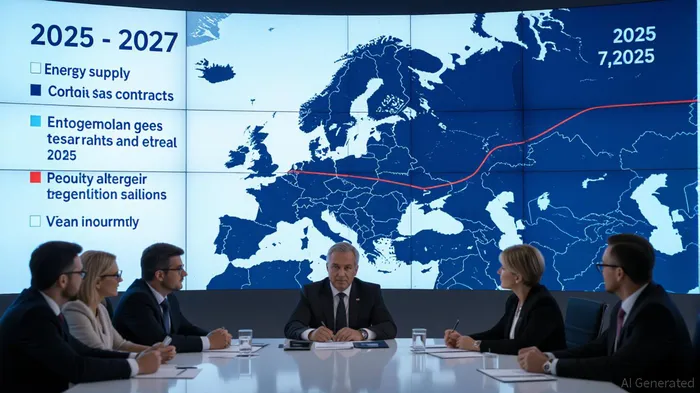
The implementation of these measures is projected to accelerate the development of alternative energy sources and import channels. Member states are expected to support the transition through policy coordination, regulatory oversight, and market incentives to encourage a shift toward more sustainable and diversified energy solutions.
As of the end of 2025, the final deadline for banning new Russian gas contracts is in immediate focus. The next phase, involving the phasing out of existing agreements, will extend into 2026 and 2027. This two-step strategy allows for a measured withdrawal from Russian gas while minimizing economic and operational shocks to the energy market.
The EU’s move is a clear indication of its commitment to reshaping its energy landscape in response to evolving geopolitical and environmental priorities. With the end of new Russian gas contracts fast approaching, the bloc continues to signal its intent to redefine its energy security strategy in the coming years.

Stay ahead of the market.
Get curated U.S. market news, insights and key dates delivered to your inbox.






Comments
No comments yet